A record number of First Nations people died in NSW prison custody last year. Advocates fear this year will be worse
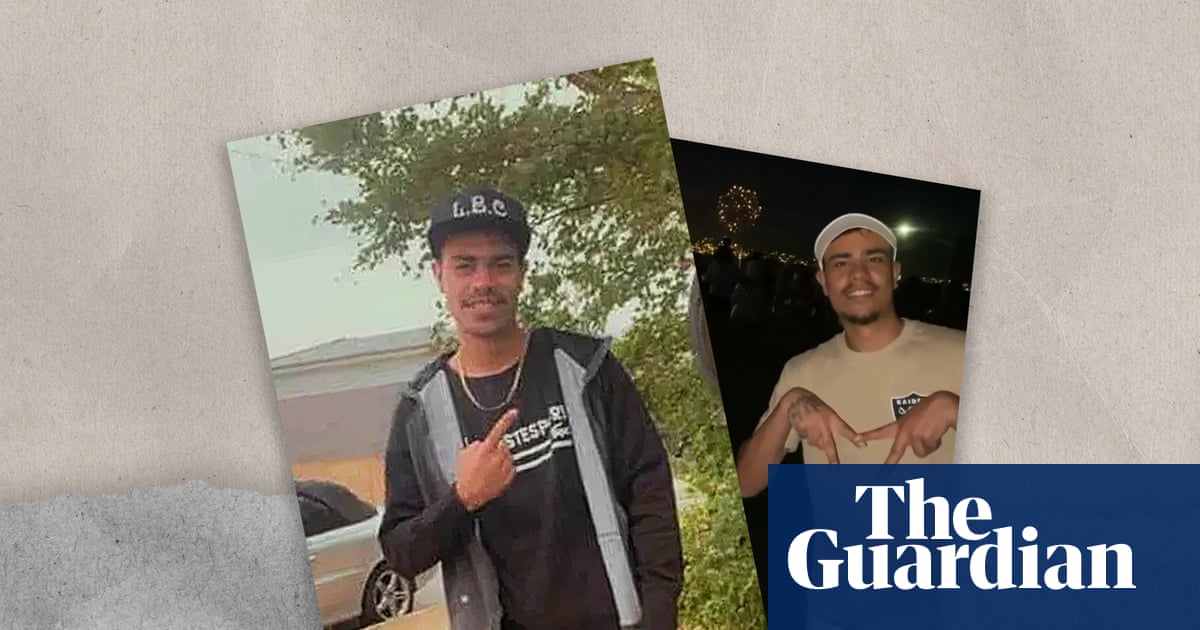
First Nations advocates warn that prisons in New South Wales could exceed the record number of Indigenous deaths in custody set last year, after two men died this month.
Matthew Roberts, a 27-year-old Bundjalung, Yaegl and Gamilaroi man and father of two young boys, took his life inside Lithgow correctional centre on 7 July after he was remanded in custody in March. Another First Nations man, 21, died a week later at Clarence correctional centre.
“I’m in shock, I keep picturing it every night,” Roberts’ mother, Karlene Whitton, said.
Whitton said Roberts had been on suicide watch during a previous period he spent in prison some years ago. On the night he died, she said he told her over the phone that he wanted to end his life.
“He hung up and said ‘I love you, Mum’, and I started crying and thinking ‘oh, please don’t!’” she said.
Asked what preventive measures were taken to support Roberts, a spokesperson for Corrective Services NSW said: “The intersection between mental health and the justice system is complex.
“Many individuals enter custody with significant and longstanding needs. Corrective Services NSW works with Justice Health to deliver mental health care to people in custody, with a strong focus on safety for those in our care, our staff and the broader community,” they added.
“Given this matter is being investigated and will be considered by the coroner, we can’t provide further comment at this stage.”
The Roberts family are being supported by the Dhadjowa Foundation, which is helping them fundraise for his funeral. The foundation was started by April Day, whose mother, Tanya, a Yorta Yorta woman, died in custody in Victoria 2017.
“Right now, our focus has been supporting the family to lay Matthew to rest and helping them navigate a system that no grieving family should have to face alone,” Day said.
“No family should have to fundraise to bury their loved one, especially when they have died in the care of the state.”
Whitton said her son was “a real joy”. “He was always happy, he loved his babies, he loved his niece, he loved all of his three nephews,” she said.
“He played football, he was into sports, I’ve got trophies of his, he played rugby union. He had a lot of friends.”
Clarence correctional centre, which is privately run by British multinational Serco, issued a statement extending its sympathies to the family of the man who died there on 15 July, and to “the wider Aboriginal and Torres Strait Islander community”, but has not released information about his cause of death.
after newsletter promotion
On Monday an 18-year-old woman died at Dame Phyllis Frost centre in Victoria.
At least seven First Nations people have died in custody so far in 2026 amid a record number of people in prison, despite crime rates largely remaining stable over the past two years.
Twelve First Nations people died in NSW prisons in 2025, a new record for the state. Of the 39 total deaths in Corrective Services custody, almost one in four were described as self-harm.
The prison population – which is correlated to the number of deaths in custody – grew more in the four months to March 2026 than in the previous four years, Bureau of Crime Statistics and Research (Bocsar) data released in May showed.
Some 41% of those who entered prison during this period were First Nations people, and more than one-third of the prison population at the time of the Boscar report in March were Indigenous, the highest proportion on record.
Sharif Deen, the acting chief executive of the NSW and ACT Aboriginal Legal Service, said the state was in the middle of “a deaths in custody crisis” and she worried it may exceed the “shameful” record set last year.
“This tragedy is being fuelled by an unprecedented increase in the number of Aboriginal adults being forced into prisons and police cells,” she said.
“We are terrified about the consequences for our clients.”
Read the full story at The Guardian ↗
New South Wales recorded 12 deaths of Indigenous people in prison custody during 2025. At least 7 Indigenous deaths in custody have occurred in 2026 to date. Two occurred in July: Matthew Roberts, a 27-year-old Bundjalung, Yaegl and Gamilaroi man, died at Lithgow correctional centre on 7 July; another 21-year-old man died at Clarence correctional centre on 15 July. Roberts had been on remand since March and was on suicide watch during a previous incarceration. He had family support available, though his mother reported he expressed suicidal ideation the night he died. Corrective Services NSW noted the complexity of mental health support in custody settings. Indigenous people now comprise over one-third of NSW's prison population as of March 2026, the highest proportion recorded. The prison population grew more in four months to March 2026 than in the previous four years, with 41% of new admissions being Indigenous. Of the 39 total deaths in NSW correctional custody in 2025, nearly one in four involved self-harm. Aboriginal Legal Service leaders describe these trends as a custody crisis linked to elevated incarceration rates.
Read the full story at The Guardian ↗
First Nations advocates warn that prisons in New South Wales could exceed the record number of Indigenous deaths in custody set last year, after two men died this month.
Matthew Roberts, a 27-year-old Bundjalung, Yaegl and Gamilaroi man and father of two young boys, took his life inside Lithgow correctional centre on 7 July after he was remanded in custody in March. Another First Nations man, 21, died a week later at Clarence correctional centre.
“I’m in shock, I keep picturing it every night,” Roberts’ mother, Karlene Whitton, said.
Whitton said Roberts had been on suicide watch during a previous period he spent in prison some years ago. On the night he died, she said he told her over the phone that he wanted to end his life.
“He hung up and said ‘I love you, Mum’, and I started crying and thinking ‘oh, please don’t!’” she said.
Asked what preventive measures were taken to support Roberts, a spokesperson for Corrective Services NSW said: “The intersection between mental health and the justice system is complex.
“Many individuals enter custody with significant and longstanding needs. Corrective Services NSW works with Justice Health to deliver mental health care to people in custody, with a strong focus on safety for those in our care, our staff and the broader community,” they added.
“Given this matter is being investigated and will be considered by the coroner, we can’t provide further comment at this stage.”
The Roberts family are being supported by the Dhadjowa Foundation, which is helping them fundraise for his funeral. The foundation was started by April Day, whose mother, Tanya, a Yorta Yorta woman, died in custody in Victoria 2017.
“Right now, our focus has been supporting the family to lay Matthew to rest and helping them navigate a system that no grieving family should have to face alone,” Day said.
“No family should have to fundraise to bury their loved one, especially when they have died in the care of the state.”
Whitton said her son was “a real joy”. “He was always happy, he loved his babies, he loved his niece, he loved all of his three nephews,” she said.
“He played football, he was into sports, I’ve got trophies of his, he played rugby union. He had a lot of friends.”
Clarence correctional centre, which is privately run by British multinational Serco, issued a statement extending its sympathies to the family of the man who died there on 15 July, and to “the wider Aboriginal and Torres Strait Islander community”, but has not released information about his cause of death.
after newsletter promotion
On Monday an 18-year-old woman died at Dame Phyllis Frost centre in Victoria.
At least seven First Nations people have died in custody so far in 2026 amid a record number of people in prison, despite crime rates largely remaining stable over the past two years.
Twelve First Nations people died in NSW prisons in 2025, a new record for the state. Of the 39 total deaths in Corrective Services custody, almost one in four were described as self-harm.
The prison population – which is correlated to the number of deaths in custody – grew more in the four months to March 2026 than in the previous four years, Bureau of Crime Statistics and Research (Bocsar) data released in May showed.
Some 41% of those who entered prison during this period were First Nations people, and more than one-third of the prison population at the time of the Boscar report in March were Indigenous, the highest proportion on record.
Sharif Deen, the acting chief executive of the NSW and ACT Aboriginal Legal Service, said the state was in the middle of “a deaths in custody crisis” and she worried it may exceed the “shameful” record set last year.
“This tragedy is being fuelled by an unprecedented increase in the number of Aboriginal adults being forced into prisons and police cells,” she said.
“We are terrified about the consequences for our clients.”
Read the full story at The Guardian ↗
Twelve First Nations people died in NSW prisons in 2025, a new record for the state At least seven First Nations people have died in custody so far in 2026 Matthew Roberts, a 27-year-old Bundjalung, Yaegl and Gamilaroi man and father of two young boys, took his life inside Lithgow correctional centre on 7 July after he was remanded in custody in March Another First Nations man, 21, died a week later at Clarence correctional centre Roberts had been on suicide watch during a previous period in prison On the night he died, Roberts told his mother over the phone that he wanted to end his life More than one-third of the prison population at March 2026 were Indigenous, the highest proportion on record Some 41% of those who entered prison during the four months to March 2026 were First Nations people The prison population grew more in the four months to March 2026 than in the previous four years Of the 39 total deaths in Corrective Services custody in 2025, almost one in four were described as self-harm The state was in the middle of 'a deaths in custody crisis' This tragedy is being fuelled by an unprecedented increase in the number of Aboriginal adults being forced into prisons and police cells No family should have to fundraise to bury their loved one, especially when they have died in the care of the state
Read the full story at The Guardian ↗
- NSW prisons recorded 12 Indigenous deaths in custody in 2025, a state record, with at least 7 deaths so far in 2026
- Two First Nations men died in July 2026: Matthew Roberts, 27, at Lithgow correctional centre on 7 July, and a 21-year-old at Clarence correctional centre on 15 July
- Indigenous people represent over one-third of the NSW prison population as of March 2026, the highest proportion on record, amid rapid growth in incarceration
- Advocates warn the state faces a worsening custody death crisis linked to rising Indigenous incarceration rates and mental health pressures within correctional facilities