Antisemitism envoy proposes ‘external ombudsman’ to monitor ABC and SBS coverage of Israel and Middle East
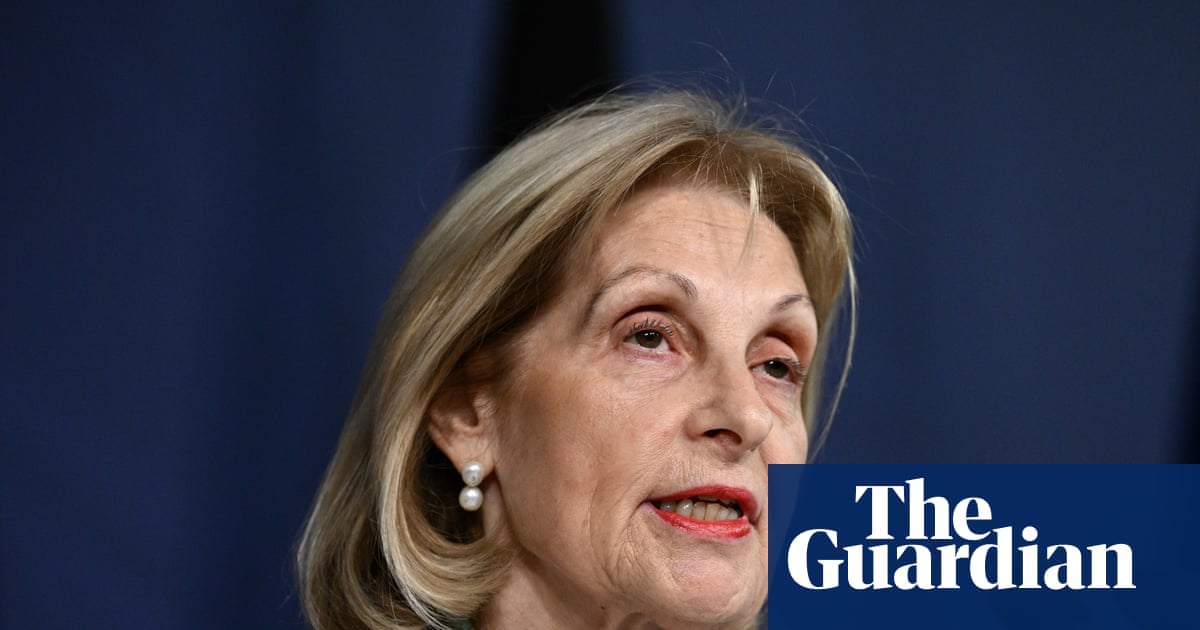
The federal government’s antisemitism envoy has proposed an “external independent ombudsman” to monitor ABC and SBS coverage of the war in Gaza, and a requirement that all visa applicants be screened for “the risk of holding antisemitic views”.
In an updated plan released on Friday, Jillian Segal said Australia’s two public broadcasters should be subjected to greater oversight.
“Given the extent and seriousness of concerns about subjective, inaccurate and disproportionate reporting in accordance with its own standards, it would be in the public interest for the public broadcasters’ coverage and approach to be the subject of more detailed analysis and independent review,” Segal wrote in the new plan.
It suggests that a government-appointed panel review the public broadcasters’ previous reporting and states the government should consider “transferring” responsibilities from the ABC and SBS ombudsmen. Those powers would be transferred to an “external independent ombudsman consistent with other sectors such as telecommunications and banking”.
“Many in the Jewish community remain concerned that coverage they perceive as one-directional may contribute to a negative – and even hostile – view by audiences of those who support Israel, or have sympathy for it,” Segal writes.
“Jewish Australians have reported being abused, harassed and accused of being ‘baby killers’ or supporters of ‘genocide’ simply for their belief in the right of Israel to exist.
“That perception of a link between coverage and hostility is itself a matter of public importance.”
Segal said she had received “many expressions of concern from the Australian Jewish community” about ABC and SBS reporting that was perceived to be “disproportionate, misleading or inaccurate on issues relating to Israel and the conflict in the Middle East”.
The special envoy to combat antisemitism’s initial plan, released in mid-2025, said the envoy would “work with the publicly funded broadcasters to encourage them to develop programs that add to social cohesion”.
Segal then told the royal commission into antisemitism in mid-2026 she wanted a new “oversight” committee that could give ABC and SBS coverage a “tick” or “guidance”.
The broadcasters rejected calls for external oversight.
The royal commission was established in response to the Bondi beach massacre in December when 15 people were killed during a Hanukah celebration.
Segal appeared before Senate estimates this week, telling senators she held concerns about “the tone [and] the frequency of reporting about Gaza from the ABC”.
Friday’s report proposes that all visa applicants wanting to travel to Australia should be assessed for “the risk of holding antisemitic views”.
“It would be disingenuous not to acknowledge that a minority of migrants bring to Australia ingrained antisemitic views. This is often a function of migrating from countries or environments where antisemitism is commonplace and reinforced by political, religious, educational and cultural institutions or leadership,” Segal writes.
“Advice from security agencies and relevant third parties should inform the classification of the level of risk of different jurisdictions.”
The report states the home affairs department should prioritise “the identification of antisemitic conduct before visa grant, including through new technological capabilities and thorough consideration of information already recorded on a client’s record”.
Segal suggests publicly funded arts organisations should be able to impose “enforceable conditions” on artists and terminate grants if they promoted antisemitism.
The envoy states that all arts organisations – private and public – should develop policies to govern the use of their venues, festivals and stages “or artists’ personal political or ideological activism outside the scope of the advertised show, performance or exhibition”.
Similarly for universities, the envoy’s updated plan proposes allowing grant authorities to impose enforceable conditions on academics, allowing “for the termination of grant funding … where the recipient engages in antisemitic speech or conduct”.
Segal said the proposals outlined in the plan were “not about silencing criticism of Israel”.
after newsletter promotion
The report argues that “modern ‘progressive’ antisemitism” was the most pervasive form of the prejudice in Australia today.
“It takes the hostility of Islamic extremism and far-left antisemitism, together with traditional antisemitic tropes, and gives it a respectable face through the language of social justice and human rights”.
Segal said Islamic extremism, far-left and far-right antisemitism were prevalent “and they require vigilance and laws that are properly enforced”.
“But the form that is leaving Jewish Australians increasingly anxious and excluded is the one that has taken root in influential institutions, where Jewish Australians are being discriminated against, blamed and vilified for the actions of the government of the state of Israel.”
Comment was being sought from the ABC, SBS, Universities Australia and the Australian Palestine Advocacy Network.
The progressive Jewish Council of Australia on Friday criticised the envoy’s new plan as “Trumpian”, arguing it was a “dangerous and ideologically driven roadmap that threatens freedom of speech, academic freedom and democratic rights, while failing to meaningfully address the causes of antisemitism”.
The council said the envoy’s claims about “progressive antisemitism” verged on “conspiratorial”.
Bart Shteinman, an executive officer at the JCA, said Friday’s report did “little to mask a rightwing ideology that will go to incredible lengths to silence those drawing attention to Israel’s genocide in Gaza” and that it sought “unprecedented oversight” over media, the arts and other organisations.
Alex Ryvchin, the co-chief executive of the Executive Council of Australian Jewry, told 2GB radio that Segal’s decision to highlight “far-left antisemitism” was “insightful and courageous”.
“Antisemitism comes from different facets of society, but with the far left, it’s laced in this dishonesty. It’s packaged in the language of human rights, of compassion, and peace, and progressivism, but actually, they repurpose classic neo-Nazi antisemitic tropes.”
Ryvchin said he spoke with journalists from the ABC and SBS almost daily “and overwhelmingly, these are good, decent people who are just doing a job”.
“But there is a certain culture, there is a certain groupthink, which I think is driven by almost a handful of journalists and executives, who have this kind of political ideology, which they then coach and mentor through the organisation.”
He said genuine accountability for public broadcasters wasn’t achieved through internal mechanisms but “through external accountability”.
The release of the envoy’s updated plan came two days after Segal appeared at Senate estimates.
She defended evidence she gave to the royal commission into antisemitism, during which she criticised SBS for quoting death toll figures provided by the Gaza Ministry of Health, saying those figures failed to distinguish combatants from civilians, were “grossly inflated” and their inflation was “well known and even accepted by the United Nations”.
A spokesperson for the UN secretary general responded at the time: “For us [the UN], the Ministry of Health in Gaza is a source we, and many others, often cite. Independent validation of subsets of the data has found no significant discrepancies in their numbers.”
Segal told the estimates hearing this week: “I note the United Nations views. I accept the United Nations views because they are the United Nations but that does not detract from the concerns of the Jewish community as conveyed to me about the way in which the reporting had been done.”
Read the full story at The Guardian ↗
Jillian Segal says perception of link between coverage of conflicts and hostility towards Jewish Australians ‘is itself a matter of public importance’. Get our breaking news email…
This lens runs the verified story through Cinnamon's AI — wired in the next step.
The federal government’s antisemitism envoy has proposed an “external independent ombudsman” to monitor ABC and SBS coverage of the war in Gaza, and a requirement that all visa applicants be screened for “the risk of holding antisemitic views”.
In an updated plan released on Friday, Jillian Segal said Australia’s two public broadcasters should be subjected to greater oversight.
“Given the extent and seriousness of concerns about subjective, inaccurate and disproportionate reporting in accordance with its own standards, it would be in the public interest for the public broadcasters’ coverage and approach to be the subject of more detailed analysis and independent review,” Segal wrote in the new plan.
It suggests that a government-appointed panel review the public broadcasters’ previous reporting and states the government should consider “transferring” responsibilities from the ABC and SBS ombudsmen. Those powers would be transferred to an “external independent ombudsman consistent with other sectors such as telecommunications and banking”.
“Many in the Jewish community remain concerned that coverage they perceive as one-directional may contribute to a negative – and even hostile – view by audiences of those who support Israel, or have sympathy for it,” Segal writes.
“Jewish Australians have reported being abused, harassed and accused of being ‘baby killers’ or supporters of ‘genocide’ simply for their belief in the right of Israel to exist.
“That perception of a link between coverage and hostility is itself a matter of public importance.”
Segal said she had received “many expressions of concern from the Australian Jewish community” about ABC and SBS reporting that was perceived to be “disproportionate, misleading or inaccurate on issues relating to Israel and the conflict in the Middle East”.
The special envoy to combat antisemitism’s initial plan, released in mid-2025, said the envoy would “work with the publicly funded broadcasters to encourage them to develop programs that add to social cohesion”.
Segal then told the royal commission into antisemitism in mid-2026 she wanted a new “oversight” committee that could give ABC and SBS coverage a “tick” or “guidance”.
The broadcasters rejected calls for external oversight.
The royal commission was established in response to the Bondi beach massacre in December when 15 people were killed during a Hanukah celebration.
Segal appeared before Senate estimates this week, telling senators she held concerns about “the tone [and] the frequency of reporting about Gaza from the ABC”.
Friday’s report proposes that all visa applicants wanting to travel to Australia should be assessed for “the risk of holding antisemitic views”.
“It would be disingenuous not to acknowledge that a minority of migrants bring to Australia ingrained antisemitic views. This is often a function of migrating from countries or environments where antisemitism is commonplace and reinforced by political, religious, educational and cultural institutions or leadership,” Segal writes.
“Advice from security agencies and relevant third parties should inform the classification of the level of risk of different jurisdictions.”
The report states the home affairs department should prioritise “the identification of antisemitic conduct before visa grant, including through new technological capabilities and thorough consideration of information already recorded on a client’s record”.
Segal suggests publicly funded arts organisations should be able to impose “enforceable conditions” on artists and terminate grants if they promoted antisemitism.
The envoy states that all arts organisations – private and public – should develop policies to govern the use of their venues, festivals and stages “or artists’ personal political or ideological activism outside the scope of the advertised show, performance or exhibition”.
Similarly for universities, the envoy’s updated plan proposes allowing grant authorities to impose enforceable conditions on academics, allowing “for the termination of grant funding … where the recipient engages in antisemitic speech or conduct”.
Segal said the proposals outlined in the plan were “not about silencing criticism of Israel”.
after newsletter promotion
The report argues that “modern ‘progressive’ antisemitism” was the most pervasive form of the prejudice in Australia today.
“It takes the hostility of Islamic extremism and far-left antisemitism, together with traditional antisemitic tropes, and gives it a respectable face through the language of social justice and human rights”.
Segal said Islamic extremism, far-left and far-right antisemitism were prevalent “and they require vigilance and laws that are properly enforced”.
“But the form that is leaving Jewish Australians increasingly anxious and excluded is the one that has taken root in influential institutions, where Jewish Australians are being discriminated against, blamed and vilified for the actions of the government of the state of Israel.”
Comment was being sought from the ABC, SBS, Universities Australia and the Australian Palestine Advocacy Network.
The progressive Jewish Council of Australia on Friday criticised the envoy’s new plan as “Trumpian”, arguing it was a “dangerous and ideologically driven roadmap that threatens freedom of speech, academic freedom and democratic rights, while failing to meaningfully address the causes of antisemitism”.
The council said the envoy’s claims about “progressive antisemitism” verged on “conspiratorial”.
Bart Shteinman, an executive officer at the JCA, said Friday’s report did “little to mask a rightwing ideology that will go to incredible lengths to silence those drawing attention to Israel’s genocide in Gaza” and that it sought “unprecedented oversight” over media, the arts and other organisations.
Alex Ryvchin, the co-chief executive of the Executive Council of Australian Jewry, told 2GB radio that Segal’s decision to highlight “far-left antisemitism” was “insightful and courageous”.
“Antisemitism comes from different facets of society, but with the far left, it’s laced in this dishonesty. It’s packaged in the language of human rights, of compassion, and peace, and progressivism, but actually, they repurpose classic neo-Nazi antisemitic tropes.”
Ryvchin said he spoke with journalists from the ABC and SBS almost daily “and overwhelmingly, these are good, decent people who are just doing a job”.
“But there is a certain culture, there is a certain groupthink, which I think is driven by almost a handful of journalists and executives, who have this kind of political ideology, which they then coach and mentor through the organisation.”
He said genuine accountability for public broadcasters wasn’t achieved through internal mechanisms but “through external accountability”.
The release of the envoy’s updated plan came two days after Segal appeared at Senate estimates.
She defended evidence she gave to the royal commission into antisemitism, during which she criticised SBS for quoting death toll figures provided by the Gaza Ministry of Health, saying those figures failed to distinguish combatants from civilians, were “grossly inflated” and their inflation was “well known and even accepted by the United Nations”.
A spokesperson for the UN secretary general responded at the time: “For us [the UN], the Ministry of Health in Gaza is a source we, and many others, often cite. Independent validation of subsets of the data has found no significant discrepancies in their numbers.”
Segal told the estimates hearing this week: “I note the United Nations views. I accept the United Nations views because they are the United Nations but that does not detract from the concerns of the Jewish community as conveyed to me about the way in which the reporting had been done.”
Read the full story at The Guardian ↗
This lens runs the verified story through Cinnamon's AI — wired in the next step.
- Jillian Segal says perception of link between coverage of conflicts and hostility towards Jewish Australians ‘is itself a matter of public importance’.
- Get our breaking news email…