Apple hikes prices on some products by nearly 20%
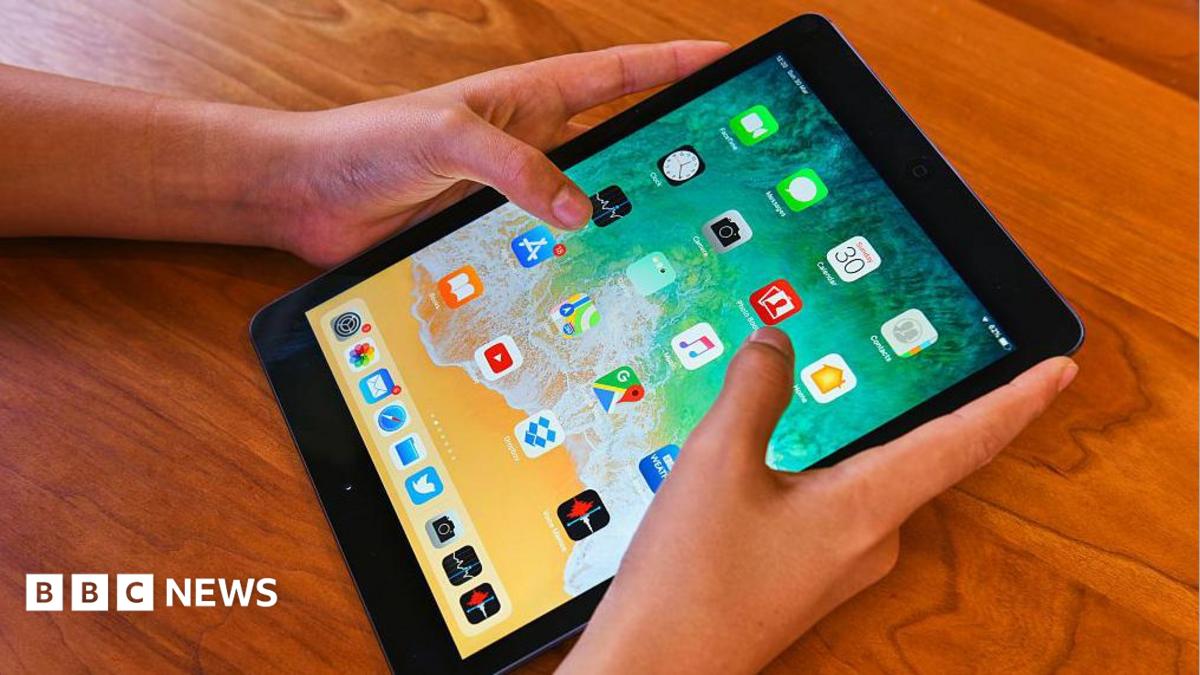
Apple is increasing the price of MacBooks and iPads worldwide due to rising memory and storage chip costs.
The iPhone maker has hiked the prices of some laptops and tablets by almost 20%, saying the electronics industry is facing an "unprecedented challenge" due to an "extraordinary surge" in demand for chips to power AI data centres.
"We have never seen a component price increase this much, this quickly," the company said - adding it was "working tirelessly to find solutions".
While Apple has not included iPhones in its price increases for some devices, tech analyst Paolo Pescatore said it showed the "AI boom was now affecting consumer electronics".
Apple's price hikes follow a slew of firms increasing device prices to help them absorb rising hardware costs.
Much of the increased prices for memory and storage components - particularly Ram, a form of computer memory - have been attributed to a proliferation of data centres needed to power the AI boom.
This, experts say, has caused an imbalance between supply and demand which means everyone has to pay more.
The world's largest chipmaker, Taiwan Semiconductor Manufacturing Company (TSMC), has also said that inflation is pushing up the cost of doing business.
Speaking to the BBC earlier in June, Wendell Huang of TSMC - which makes chips for the likes of Nvidia, AMD and Apple - did not rule out its own price rises amid spiking costs.
Pescatore said Apple's actions demonstrated the extent of the challenges for "even for the world's biggest technology companies".
"This is a significant moment because even Apple, with its scale and buying power, is no longer immune to the rising cost of key components," he told the BBC.
Affected hardware included the MacBook Pro with 1 terabyte of storage, which rose to $1,999 from $1,699 on its US store.
Meanwhile in the UK, the Neo - Apple's lowest-priced laptop - has increased from £599 to £699 within months of its launch.
"We have shielded our customers from these increases so far, but we have now reached a point where we need to begin raising prices on a number of products, including today's increases for iPad and Mac," the company said in its statement.
David Naranjo of market research firm Counterpoint said he expected other PC and tablet brands would follow Apple by upping their costs.
"They may raise prices on select products, cut discounts on entry-level models, or adjust their product lines to focus more on premium devices," he said.
Dipanjan Chatterjee, vice president and principal analyst at market research firm Forrester, said he believed Apple's loyal customer base would take the financial hit without too much outcry.
"If anyone can survive a price increase with minimal blowback, it's Apple," he added.
Tim Cook, Apple's outgoing chief executive, had also hinted at the changes - telling the Wall Street Journal earlier in June that price increases were "unavoidable" due to the "unsustainable" situation around memory chips.
"We definitely need memory pricing and supply to return to reasonable levels for consumer products. That's the bottom line," he told the publication.
The soaring costs have affected a wide variety of companies and products across the technology sector, including PCs and consoles.
On Monday gaming giant Valve said its original goal for the price of its gaming PC the Steam Machine was "no longer viable", instead launching it at a price of £879 in the UK and $1,049 in the US.
Read the full story at BBC ↗
Apple is raising prices on MacBooks and iPads by nearly 20%, citing unprecedented increases in memory and storage chip costs. The company attributes the cost pressures to an extraordinary surge in demand for chips powering AI data centres, combined with supply-demand imbalances affecting the broader electronics industry. Specific examples include the MacBook Pro with 1TB storage rising from $1,699 to $1,999 in the US, and Apple's entry-level Neo laptop increasing from £599 to £699 in the UK. Chipmakers including Taiwan Semiconductor Manufacturing Company are also facing cost pressures from inflation. Market analysts expect other PC and tablet manufacturers to implement similar price increases or adjust their product strategies in response to component costs. Apple's leadership indicated in June that price increases were unavoidable given the current supply situation.
Read the full story at BBC ↗
Apple is increasing the price of MacBooks and iPads worldwide due to rising memory and storage chip costs.
The iPhone maker has hiked the prices of some laptops and tablets by almost 20%, saying the electronics industry is facing an "unprecedented challenge" due to an "extraordinary surge" in demand for chips to power AI data centres.
"We have never seen a component price increase this much, this quickly," the company said - adding it was "working tirelessly to find solutions".
While Apple has not included iPhones in its price increases for some devices, tech analyst Paolo Pescatore said it showed the "AI boom was now affecting consumer electronics".
Apple's price hikes follow a slew of firms increasing device prices to help them absorb rising hardware costs.
Much of the increased prices for memory and storage components - particularly Ram, a form of computer memory - have been attributed to a proliferation of data centres needed to power the AI boom.
This, experts say, has caused an imbalance between supply and demand which means everyone has to pay more.
The world's largest chipmaker, Taiwan Semiconductor Manufacturing Company (TSMC), has also said that inflation is pushing up the cost of doing business.
Speaking to the BBC earlier in June, Wendell Huang of TSMC - which makes chips for the likes of Nvidia, AMD and Apple - did not rule out its own price rises amid spiking costs.
Pescatore said Apple's actions demonstrated the extent of the challenges for "even for the world's biggest technology companies".
"This is a significant moment because even Apple, with its scale and buying power, is no longer immune to the rising cost of key components," he told the BBC.
Affected hardware included the MacBook Pro with 1 terabyte of storage, which rose to $1,999 from $1,699 on its US store.
Meanwhile in the UK, the Neo - Apple's lowest-priced laptop - has increased from £599 to £699 within months of its launch.
"We have shielded our customers from these increases so far, but we have now reached a point where we need to begin raising prices on a number of products, including today's increases for iPad and Mac," the company said in its statement.
David Naranjo of market research firm Counterpoint said he expected other PC and tablet brands would follow Apple by upping their costs.
"They may raise prices on select products, cut discounts on entry-level models, or adjust their product lines to focus more on premium devices," he said.
Dipanjan Chatterjee, vice president and principal analyst at market research firm Forrester, said he believed Apple's loyal customer base would take the financial hit without too much outcry.
"If anyone can survive a price increase with minimal blowback, it's Apple," he added.
Tim Cook, Apple's outgoing chief executive, had also hinted at the changes - telling the Wall Street Journal earlier in June that price increases were "unavoidable" due to the "unsustainable" situation around memory chips.
"We definitely need memory pricing and supply to return to reasonable levels for consumer products. That's the bottom line," he told the publication.
The soaring costs have affected a wide variety of companies and products across the technology sector, including PCs and consoles.
On Monday gaming giant Valve said its original goal for the price of its gaming PC the Steam Machine was "no longer viable", instead launching it at a price of £879 in the UK and $1,049 in the US.
Read the full story at BBC ↗
Apple is increasing prices on MacBooks and iPads by nearly 20% The price increases are due to rising memory and storage chip costs driven by AI data centre demand The MacBook Pro with 1TB storage rose from $1,699 to $1,999 in the US Apple's Neo laptop increased from £599 to £699 in the UK within months of launch Taiwan Semiconductor Manufacturing Company and other chipmakers are experiencing cost pressures from inflation Apple's CEO Tim Cook stated price increases were unavoidable due to unsustainable memory chip pricing This demonstrates that even the world's biggest technology companies are no longer immune to rising component costs Apple's loyal customer base will likely accept the price increase with minimal backlash Other PC and tablet brands are expected to follow Apple's pricing strategy
Read the full story at BBC ↗
- Apple is raising prices on MacBooks and iPads by up to 20% due to surging memory and storage chip costs driven by AI data centre demand
- The price increases follow unprecedented component cost inflation that even major chipmakers like TSMC are experiencing
- Analysts expect other PC and tablet manufacturers to follow Apple's pricing strategy as supply-demand imbalances persist across the tech sector