Bombs explode near Damascus hotel housing Macron on Syria visit
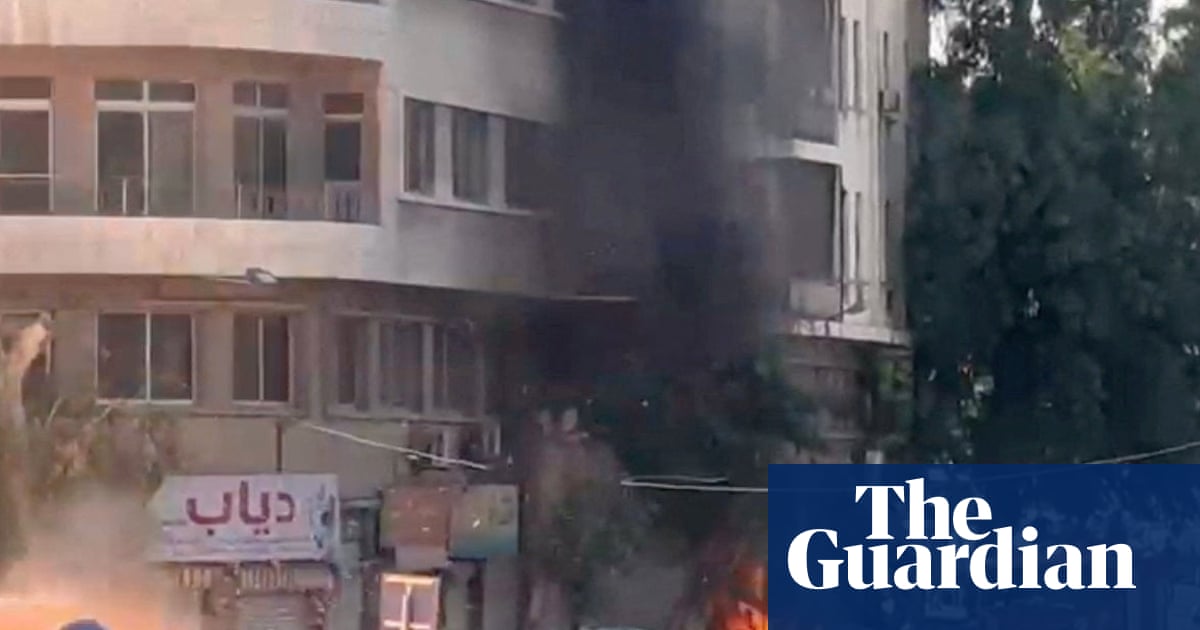 ✓
✓Explosions rocked Damascus near the hotel where French president, Emmanuel Macron, was staying on Tuesday, wounding at least 18 people, Syrian authorities said.
Macron was in the presidential palace for a meeting with the Syrian president, Ahmed al-Sharaa, when two improvised explosive devices detonated near the Four Seasons hotel where Macron was reported to be staying.
The Four Seasons hosts UN staff and foreign diplomats and is one of the most well-guarded facilities in the Syrian capital.
The explosions did not interrupt Macron’s visit, Syrian state media said, publishing pictures of the French and Syrian presidents embracing in the presidential palace.
But the explosions were a setback for Syria’s new rulers, who have sought to project an image of stability and have sought to attract foreign investors since the toppling of the former president Bashar al-Assad in December 2024.
Macron is the first major western leader to visit Syria since Assad was forced out, and his meeting with Sharaa in Damascus was viewed as a major recognition of Sharaa. Sharaa and his ministers have worked hard to distance themselves from their pasts as Islamist fighters in Hayat Tahrir al-Sham, which grew out of al-Qaida.
France has been one of the most supportive western governments of Sharaa’s rule, pushing the US to drop sanctions on Syria and playing a key role in mediating between Syria and Israel.
Macron posted on X a few hours after the explosion: “Nothing can smother the aspiration of Syrian women and men to live in a fully sovereign, safe, pluralistic and united Syria. This morning I met Syria in all its diversity. I saw dignity, courage and determination.”
Macron and Sharaa announced after their meeting that the two countries would designate ambassadors, a significant resumption of diplomatic ties after France severed relations in 2012 in response to Assad’s crackdown on protests.
Macron has been accompanied by an economic delegation, including Rodolphe Saadé, the head of the shipping conglomerate CMA CGM, and Patrick Pouyanné, the CEO of TotalEnergies. French companies signed more than a dozen agreements, a move that is likely to boost investor confidence in the war-battered country, which is struggling to lift itself out of economic malaise.
The agreements signed included deals to rebuild destroyed water and electricity infrastructure in the city of Homs, provide technical assistance to Syria’s central bank, and capacity building for Damascus airport with CMA CGM.
Another agreement was to begin the process of returning £43.6m of illicit assets taken from Syria by Rifaat al-Assad, the late uncle of Bashar al-Assad, who fled to France after attempting to overthrow Assad’s father.
A video of one of the explosions on Tuesday showed Syrian police officers standing around what appeared to be a bin before the bin exploded, wounding four officers.
The Syrian interior ministry said another IED was placed in a parked car and that 18 people were wounded in total. The interior ministry said an investigation was under way to determine who was responsible for the attack.
Last Thursday an IED placed in a busy cafe near the Justice Palace in Damascus killed at least 10 people and wounded more than 20. No group has claimed responsibility for that attack.
Syria has recently struggled with attacks from various armed groups, including Islamic State and groups linked to the former Assad regime. Damascus had been largely spared from violence until last week, even as other areas of the country saw kidnappings and assassinations as the new government tried to assert itself.
Besides security, the economic malaise created by 14 years of war and crushing sanctions is the main challenge facing postwar Syria. About 90% of people in Syria live in poverty and the country’s infrastructure is in desperate needs of repairs as a result of the war. Basic services such as electricity are inconsistent in parts of the country, including Damascus.
Read the full story at The Guardian ↗ · BBC ↗ · Sky News ↗
Two improvised explosive devices detonated near the Four Seasons hotel in Damascus where French President Emmanuel Macron was staying during an official visit on Tuesday, injuring 18 people. One device was placed in a bin near a street; another was in a parked car. At the time of the explosions, Macron was meeting with Syrian President Ahmed al-Sharaa at the presidential palace. The visit proceeded without interruption. Following their meeting, the two leaders announced the restoration of diplomatic relations and the appointment of ambassadors between France and Syria—a significant development after France severed ties in 2012. French companies, represented by executives from CMA CGM and TotalEnergies, signed agreements to assist with rebuilding Syria's water, electricity, and airport infrastructure, and to recover £43.6m in assets previously taken to France. The incidents reflect an ongoing security challenge in Damascus, where bombings have increased in recent days. Syrian authorities have launched an investigation into the attacks; no group has claimed responsibility.
Read the full story at The Guardian ↗ · BBC ↗ · Sky News ↗
Explosions rocked Damascus near the hotel where French president, Emmanuel Macron, was staying on Tuesday, wounding at least 18 people, Syrian authorities said.
Macron was in the presidential palace for a meeting with the Syrian president, Ahmed al-Sharaa, when two improvised explosive devices detonated near the Four Seasons hotel where Macron was reported to be staying.
The Four Seasons hosts UN staff and foreign diplomats and is one of the most well-guarded facilities in the Syrian capital.
The explosions did not interrupt Macron’s visit, Syrian state media said, publishing pictures of the French and Syrian presidents embracing in the presidential palace.
But the explosions were a setback for Syria’s new rulers, who have sought to project an image of stability and have sought to attract foreign investors since the toppling of the former president Bashar al-Assad in December 2024.
Macron is the first major western leader to visit Syria since Assad was forced out, and his meeting with Sharaa in Damascus was viewed as a major recognition of Sharaa. Sharaa and his ministers have worked hard to distance themselves from their pasts as Islamist fighters in Hayat Tahrir al-Sham, which grew out of al-Qaida.
France has been one of the most supportive western governments of Sharaa’s rule, pushing the US to drop sanctions on Syria and playing a key role in mediating between Syria and Israel.
Macron posted on X a few hours after the explosion: “Nothing can smother the aspiration of Syrian women and men to live in a fully sovereign, safe, pluralistic and united Syria. This morning I met Syria in all its diversity. I saw dignity, courage and determination.”
Macron and Sharaa announced after their meeting that the two countries would designate ambassadors, a significant resumption of diplomatic ties after France severed relations in 2012 in response to Assad’s crackdown on protests.
Macron has been accompanied by an economic delegation, including Rodolphe Saadé, the head of the shipping conglomerate CMA CGM, and Patrick Pouyanné, the CEO of TotalEnergies. French companies signed more than a dozen agreements, a move that is likely to boost investor confidence in the war-battered country, which is struggling to lift itself out of economic malaise.
The agreements signed included deals to rebuild destroyed water and electricity infrastructure in the city of Homs, provide technical assistance to Syria’s central bank, and capacity building for Damascus airport with CMA CGM.
Another agreement was to begin the process of returning £43.6m of illicit assets taken from Syria by Rifaat al-Assad, the late uncle of Bashar al-Assad, who fled to France after attempting to overthrow Assad’s father.
A video of one of the explosions on Tuesday showed Syrian police officers standing around what appeared to be a bin before the bin exploded, wounding four officers.
The Syrian interior ministry said another IED was placed in a parked car and that 18 people were wounded in total. The interior ministry said an investigation was under way to determine who was responsible for the attack.
Last Thursday an IED placed in a busy cafe near the Justice Palace in Damascus killed at least 10 people and wounded more than 20. No group has claimed responsibility for that attack.
Syria has recently struggled with attacks from various armed groups, including Islamic State and groups linked to the former Assad regime. Damascus had been largely spared from violence until last week, even as other areas of the country saw kidnappings and assassinations as the new government tried to assert itself.
Besides security, the economic malaise created by 14 years of war and crushing sanctions is the main challenge facing postwar Syria. About 90% of people in Syria live in poverty and the country’s infrastructure is in desperate needs of repairs as a result of the war. Basic services such as electricity are inconsistent in parts of the country, including Damascus.
Read the full story at The Guardian ↗ · BBC ↗ · Sky News ↗
Two improvised explosive devices detonated near the Four Seasons hotel in Damascus on Tuesday where French President Macron was staying. At least 18 people were wounded according to Syrian authorities. Macron was at the presidential palace meeting with Syrian President Ahmed al-Sharaa when the explosions occurred. The Four Seasons hotel hosts UN staff and foreign diplomats and is one of the most well-guarded facilities in Damascus. Macron's visit continued uninterrupted following the explosions. France and Syria agreed to restore full diplomatic ties and exchange ambassadors. French companies signed over a dozen agreements to rebuild water and electricity infrastructure in Homs, provide technical assistance to Syria's central bank, and support Damascus airport operations. Macron is the first major Western leader to visit Syria since Assad was toppled in December 2024. An additional bombing occurred last Thursday at a cafe near the Justice Palace, killing at least 10 people and wounding more than 20. Syrian authorities said an investigation was underway to determine responsibility for the attacks. The explosions represent a setback for Syria's new rulers, who have sought to project an image of stability. The bombings are a security challenge for Syria's government attempting to attract foreign investors. The restored diplomatic ties and business agreements signal a major shift in France's engagement with post-Assad Syria.
Read the full story at The Guardian ↗ · BBC ↗ · Sky News ↗
- Two improvised explosive devices detonated near a Damascus hotel where French President Macron was staying during his visit to Syria on Tuesday, wounding at least 18 people according to Syrian authorities.
- Macron was in a meeting with Syrian President Ahmed al-Sharaa at the presidential palace when the explosions occurred; his visit continued uninterrupted.
- France and Syria agreed to restore full diplomatic ties and exchange ambassadors; French companies signed over a dozen agreements including infrastructure reconstruction deals.
- The attacks represent a security challenge for Syria's new government, which has sought to project stability and attract foreign investment since Bashar al-Assad's ouster in December 2024.
- Syria has experienced multiple bombings in recent days, with at least 10 killed in a cafe attack last Thursday; responsibility remains undetermined.