California drivers sue gas stations for allegedly using AI to inflate prices
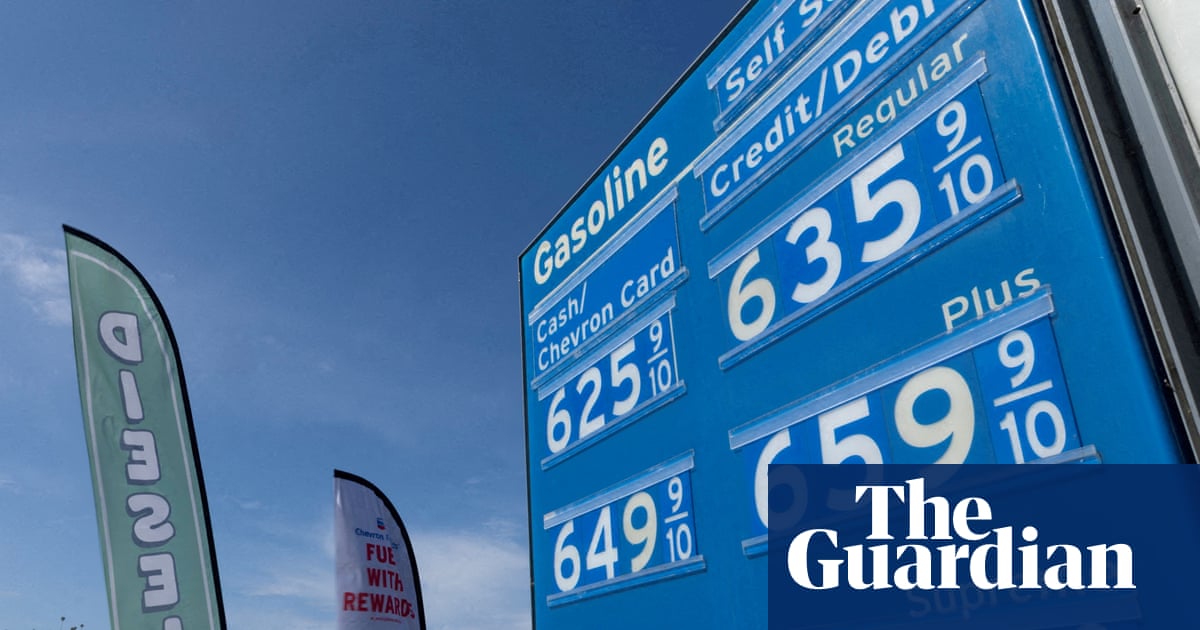
Gas station operators including BP, Circle K, Marathon, 7-Eleven, Walmart and Albertsons were sued on Monday by California drivers who accused them of using artificial intelligence to boost prices at the pump.
According to a proposed class action, the defendants violated California’s main antitrust law, the Cartwright Act, by using an AI-based tool that uses data from competing gas stations to “coordinate high prices and wring more money from the pockets of consumers”.
The lawsuit in the Sacramento federal court said the scheme violated assembly bill 325, a California law that took effect on 1 January and was intended to crack down on algorithmic price fixing.
Drivers said gas prices have risen as much as 30 cents a gallon in areas where high percentages of stations use the AI tool, which comes from a company called Kalibrate. Each penny costs California drivers an extra $134m per year, boosting gasoline prices to “astronomical” levels sometimes reaching $7 a gallon, the complaint said.
“While families struggle to afford the commute to work, defendants have conspired to put an end to competition, joining an AI-powered trust to ensure that no matter where a driver turns, the price for gasoline is artificially high,” the complaint said.
The defendants operate more than 1,700 gas stations in California, according to the complaint. Kalibrate is also a defendant. The defendants either did not immediately respond to requests for comment or declined to comment.
Californians pay the nation’s highest gas prices, averaging $5.58 per gallon for regular, according to AAA. The national average is $3.93. The lawsuit seeks unspecified damages for drivers who paid too much for gasoline.
Read the full story at The Guardian ↗
A proposed class action lawsuit was filed in Sacramento federal court against BP, Circle K, Marathon, 7-Eleven, Walmart, Albertsons, and Kalibrate. The suit alleges that these gas station operators used an AI-based pricing tool to set prices based on competitor data, resulting in higher prices at the pump. The complaint cites violations of California's Cartwright Act and Assembly Bill 325, a state law enacted January 1 targeting algorithmic price fixing. The defendants operate approximately 1,700 California gas stations. According to the lawsuit, price increases in areas with high tool adoption have reached 30 cents per gallon. California drivers currently pay an average of $5.58 per gallon for regular unleaded, compared to the national average of $3.93. The case seeks damages but does not specify an amount.
Read the full story at The Guardian ↗
Gas station operators including BP, Circle K, Marathon, 7-Eleven, Walmart and Albertsons were sued on Monday by California drivers who accused them of using artificial intelligence to boost prices at the pump.
According to a proposed class action, the defendants violated California’s main antitrust law, the Cartwright Act, by using an AI-based tool that uses data from competing gas stations to “coordinate high prices and wring more money from the pockets of consumers”.
The lawsuit in the Sacramento federal court said the scheme violated assembly bill 325, a California law that took effect on 1 January and was intended to crack down on algorithmic price fixing.
Drivers said gas prices have risen as much as 30 cents a gallon in areas where high percentages of stations use the AI tool, which comes from a company called Kalibrate. Each penny costs California drivers an extra $134m per year, boosting gasoline prices to “astronomical” levels sometimes reaching $7 a gallon, the complaint said.
“While families struggle to afford the commute to work, defendants have conspired to put an end to competition, joining an AI-powered trust to ensure that no matter where a driver turns, the price for gasoline is artificially high,” the complaint said.
The defendants operate more than 1,700 gas stations in California, according to the complaint. Kalibrate is also a defendant. The defendants either did not immediately respond to requests for comment or declined to comment.
Californians pay the nation’s highest gas prices, averaging $5.58 per gallon for regular, according to AAA. The national average is $3.93. The lawsuit seeks unspecified damages for drivers who paid too much for gasoline.
Read the full story at The Guardian ↗
California drivers filed a class action lawsuit against BP, Circle K, Marathon, 7-Eleven, Walmart, Albertsons, and Kalibrate The lawsuit was filed in Sacramento federal court on Monday The defendants allegedly used an AI-based tool from Kalibrate that uses data from competing gas stations The defendants operate more than 1,700 gas stations in California The complaint alleges violations of California's Cartwright Act and Assembly Bill 325 Gas prices have risen as much as 30 cents per gallon in areas where high percentages of stations use the AI tool California's average gas price is $5.58 per gallon for regular; the national average is $3.93 The plaintiffs characterize the price increases as putting gas to 'astronomical' levels and wring money from consumers' pockets Each penny of inflation costs California drivers $134 million per year The defendants conspired to end competition through an 'AI-powered trust'
Read the full story at The Guardian ↗
- California drivers filed a class action lawsuit against six major gas station operators and AI pricing firm Kalibrate, alleging they use artificial intelligence to coordinate high prices in violation of state antitrust law.
- The defendants operate over 1,700 California gas stations; the complaint claims the AI tool uses competitor data to inflate prices, with some areas seeing 30-cent-per-gallon increases.
- Assembly Bill 325, which took effect January 1, specifically targets algorithmic price fixing; the lawsuit claims each penny of artificial inflation costs California drivers $134 million annually.
- California's average gas price of $5.58 per gallon significantly exceeds the national average of $3.93, and the lawsuit seeks unspecified damages for affected drivers.