Canadian boy, 11, dies of rabies after waking to bat on his face
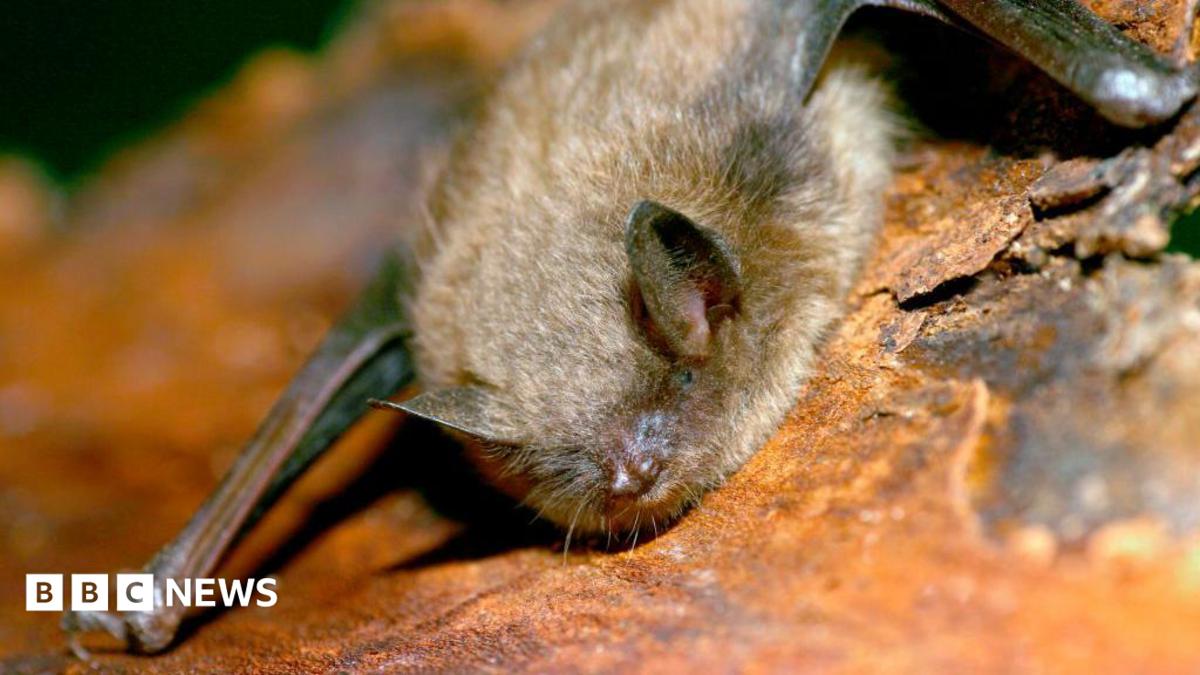 ✓
✓An 11-year-old Canadian boy has died from rabies after being awoken by a bat on his nose and mouth.
The incident took place while the child was on a visit to a cottage in Ontario with his family in 2024, according to a report in the Canadian Medical Association Journal published on Monday.
The boy, who was not named in the report, swatted the bat off his face, after which his father caught the winged mammal in a pot and released it outside.
The boy's parents did not immediately seek medical attention due to their son not having any visible injuries and not thinking the bat behaved erratically, the journal states. But 19 days later, the boy began experiencing numbness and swelling on his face.
The Canadian Medical Association Journal chronicled his family taking him to get emergency care over the following days and both clinics and hospital doctors trying to diagnose his symptoms.
At first, an emergency clinic prescribed the boy antiviral medication used to treat infections caused by herpes viruses as they presumed he might have Bell's palsy, the temporary paralysis of facial muscles on one side of the face.
Then he went to hospital on back-to-back visits, first getting a presumed diagnosis of herpes gingivostomatitis, a viral infection of the mouth and gums, then returning the following day after the right side of his face went weak, the journal states.
While awaiting to be admitted, he developed a fever of 39C (102F), along with difficulty swallowing, confusion and visual hallucinations. His condition rapidly worsened that day. He was intubated and admitted to the paediatric intensive care unit, the journal notes.
Doctors at the University of Manitoba, Canada's Department of Pediatrics and Child Health said they strongly suspected rabies.
Days later, a test confirmed that was the case. The Canadian Food Inspection Agency also identified a bat rabies virus variant.
The boy died 17 days after being admitted to hospital.
He had no history of allergies, sick contacts, tick bites, or recent travel outside the country.
Rabies infections are rare in Canada. There have been 28 human deaths due to rabies in the country since 1924, according to the Canadian Veterinary Medical Association.
"This low rate of rabies is due to widespread, ongoing vaccination programs, and failure to continue these programs can and will result in a return of disease," the association states on its website.
Any direct human contact with a bat is an indication for rabies postexposure prophylaxi - medical treatment given immediately after potential exposure to a rabid animal.
Infection is almost always fatal once symptoms develop, the report states.
Read the full story at BBC ↗ · The Guardian ↗
An 11-year-old boy in Ontario contracted rabies after a bat made contact with his face while he slept during a family cottage visit. His parents removed the bat without seeking medical care, seeing no visible injuries. Nineteen days later, facial numbness and swelling prompted clinical visits; initial assessments suspected Bell's palsy and herpes infection. When his condition rapidly deteriorated—fever, difficulty swallowing, confusion, and hallucinations—hospital doctors suspected rabies, which was confirmed by testing. The boy died 17 days into hospital treatment. Rabies infection is almost always fatal once symptoms appear. Canada has recorded 28 rabies deaths since 1924, a low rate maintained by vaccination programs. Medical guidance indicates that any direct human-bat contact warrants immediate rabies postexposure prophylaxis.
Read the full story at BBC ↗ · The Guardian ↗
An 11-year-old Canadian boy has died from rabies after being awoken by a bat on his nose and mouth.
The incident took place while the child was on a visit to a cottage in Ontario with his family in 2024, according to a report in the Canadian Medical Association Journal published on Monday.
The boy, who was not named in the report, swatted the bat off his face, after which his father caught the winged mammal in a pot and released it outside.
The boy's parents did not immediately seek medical attention due to their son not having any visible injuries and not thinking the bat behaved erratically, the journal states. But 19 days later, the boy began experiencing numbness and swelling on his face.
The Canadian Medical Association Journal chronicled his family taking him to get emergency care over the following days and both clinics and hospital doctors trying to diagnose his symptoms.
At first, an emergency clinic prescribed the boy antiviral medication used to treat infections caused by herpes viruses as they presumed he might have Bell's palsy, the temporary paralysis of facial muscles on one side of the face.
Then he went to hospital on back-to-back visits, first getting a presumed diagnosis of herpes gingivostomatitis, a viral infection of the mouth and gums, then returning the following day after the right side of his face went weak, the journal states.
While awaiting to be admitted, he developed a fever of 39C (102F), along with difficulty swallowing, confusion and visual hallucinations. His condition rapidly worsened that day. He was intubated and admitted to the paediatric intensive care unit, the journal notes.
Doctors at the University of Manitoba, Canada's Department of Pediatrics and Child Health said they strongly suspected rabies.
Days later, a test confirmed that was the case. The Canadian Food Inspection Agency also identified a bat rabies virus variant.
The boy died 17 days after being admitted to hospital.
He had no history of allergies, sick contacts, tick bites, or recent travel outside the country.
Rabies infections are rare in Canada. There have been 28 human deaths due to rabies in the country since 1924, according to the Canadian Veterinary Medical Association.
"This low rate of rabies is due to widespread, ongoing vaccination programs, and failure to continue these programs can and will result in a return of disease," the association states on its website.
Any direct human contact with a bat is an indication for rabies postexposure prophylaxi - medical treatment given immediately after potential exposure to a rabid animal.
Infection is almost always fatal once symptoms develop, the report states.
Read the full story at BBC ↗ · The Guardian ↗
An 11-year-old boy in Ontario contracted rabies after a bat landed on his face while sleeping during a 2024 family cottage visit His father caught the bat in a pot and released it outside The boy's parents did not seek immediate medical attention because he had no visible injuries and the bat did not appear to behave erratically Nineteen days after the incident, the boy developed facial numbness and swelling An emergency clinic initially prescribed herpes antiviral medication, suspecting Bell's palsy Hospital doctors subsequently suspected herpes gingivostomatitis before the boy's condition rapidly worsened The boy developed a fever of 39°C, difficulty swallowing, confusion, and visual hallucinations Testing confirmed rabies caused by a bat virus variant identified by the Canadian Food Inspection Agency The boy died 17 days after hospital admission Rabies infection is almost always fatal once symptoms develop Canada has recorded 28 rabies deaths since 1924 Medical guidance requires immediate rabies postexposure prophylaxis for any direct human-bat contact
Read the full story at BBC ↗ · The Guardian ↗
- An 11-year-old boy in Ontario died from rabies after a bat landed on his face during sleep in 2024
- His parents did not seek immediate medical attention because he had no visible injuries
- Symptoms appeared 19 days later; he was misdiagnosed twice before rabies was confirmed
- Rabies is nearly always fatal once symptoms develop; the boy died 17 days after hospital admission
- Rabies deaths are rare in Canada due to vaccination programs; direct bat contact requires immediate preventive treatment