China’s ethnic unity law denounced as ‘forced assimilation’ by rights groups
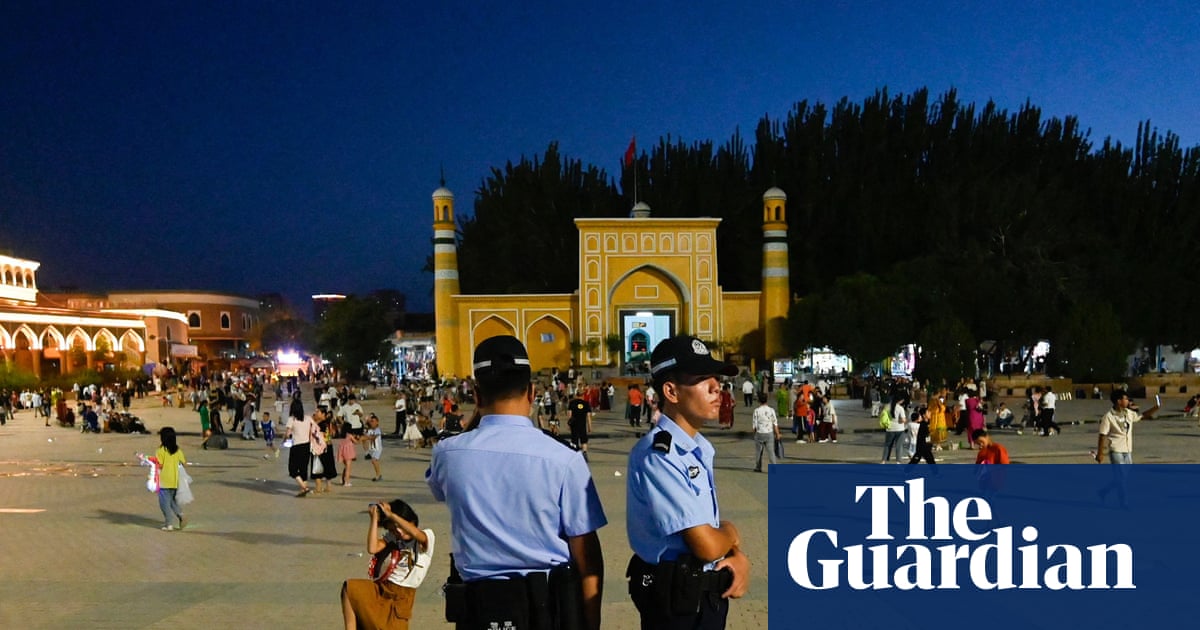 ✓
✓A new ethnic unity law has come into effect in China despite warnings from Taiwan, the United Nations and rights groups that it could threaten freedoms, especially for minorities.
The Law on Promoting Ethnic Unity and Progress aims to forge a “shared” national identity among ethnic groups, for example by strengthening the status of Mandarin as the official language. But overseas campaigners have argued it will further degrade the rights of ethnic minorities, such as Uyghurs and Tibetans, that Beijing is accused of persecuting.
Critics also point to a clause stating that people can be held liable for violating the law even when outside China, saying it gives the Chinese government more justification for targeting its opponents abroad.
Amnesty International deputy regional director Sarah Brooks said the law would require “political and ideological alignment with the Chinese Communist party” and “further institutionalise ... policies of forced assimilation”.
“Chinese authorities have human rights obligations requiring them to protect minority communities and their cultures, but this law does the opposite,” Brooks said.
Amnesty has warned the legislation is pushing ethnic groups to “adopt a single, state-defined national identity dominated by Han Chinese culture”, referring to the nation’s ethnic majority.
Beijing consistently denies that it engages in rights abuses against any ethnic group and maintains that they all benefit from its policies of internal security and economic development.
Taiwan expressed “strong condemnation” of the law on Wednesday, the day the legislation came into effect, saying it expanded “threats and intimidation against the people of our country and other nations”.
“In the future, individuals from any country whose words or actions are not acceptable to China may become targets of the law or be pursued under it,” its foreign ministry said.
China claims Taiwan is part of its territory and has threatened to use force to annex the self-ruled, democratic island.
In Washington, nine US lawmakers – including the top Republican and top Democrat on the Senate foreign relations committee – voiced stern opposition to the law, and pledged to keep speaking out against Beijing’s bid to “legitimise its transnational repression”.
In particular, the senators said in a statement, “we are deeply concerned by language in the law that demands ideological compliance with the CCP [Chinese Communist party], mandating that even people outside China deemed to be undermining ‘ethnic unity and progress’ by the Chinese government can be held legally responsible in China”.
The law formalises longstanding policies to promote Mandarin as the language of education, official business and public spaces, and also contains provisions on social cohesion and preventing terrorism and separatism.
Several ethnic groups in China, particularly in its border regions, have their own languages, and have historically been permitted to use them alongside Mandarin in schools.
Beijing has also justified sweeping campaigns in areas with large minority populations as legitimate efforts to prevent the spread of terrorism and extremism.
A senior Chinese judicial official defended the law last week, claiming it would target “illegal acts” that “undermine ethnic unity and progress or incite ethnic separatism”.
Vice-minister of justice Hu Weilie said the clause allowing overseas enforcement was “legitimate, lawful [and] necessary”.
But UN rights chief Volker Turk has called for the law to be repealed, saying it risks “deepening restrictions on freedoms of language, education, practice of religion, culture, expression and assembly”.
Uyghur and Tibetan advocates have urged countries to push China to strike it down, saying it aims to erase minority communities.
Taiwan’s Mainland Affairs Council (MAC) said Taiwanese people already faced high risks travelling to China and warned Beijing now had “yet another law to fabricate charges”.
Beijing would use the law “as a legal basis to further suppress and persecute human rights in Xinjiang and Tibet, or to expand its threats against voices internationally that support or are friendly towards Taiwan”, the MAC said in a statement, attributing the remarks to deputy minister Liang Wen-chieh.
Read the full story at Al Jazeera ↗ · The Guardian ↗
China has implemented an ethnic unity law that reinforces Mandarin's status and aims to build a unified national identity across ethnic groups. International human rights bodies, Taiwan, the United Nations, and US lawmakers have raised concerns that the legislation restricts minority language, religious, and cultural freedoms, particularly in border regions. The law contains provisions that extend its enforcement beyond China's borders, which critics say creates legal grounds to prosecute critics abroad. Chinese officials defend the law as targeting illegal separatism and terrorism. The disagreement reflects competing views on minority rights protections and national cohesion.
Read the full story at Al Jazeera ↗ · The Guardian ↗
A new ethnic unity law has come into effect in China despite warnings from Taiwan, the United Nations and rights groups that it could threaten freedoms, especially for minorities.
The Law on Promoting Ethnic Unity and Progress aims to forge a “shared” national identity among ethnic groups, for example by strengthening the status of Mandarin as the official language. But overseas campaigners have argued it will further degrade the rights of ethnic minorities, such as Uyghurs and Tibetans, that Beijing is accused of persecuting.
Critics also point to a clause stating that people can be held liable for violating the law even when outside China, saying it gives the Chinese government more justification for targeting its opponents abroad.
Amnesty International deputy regional director Sarah Brooks said the law would require “political and ideological alignment with the Chinese Communist party” and “further institutionalise ... policies of forced assimilation”.
“Chinese authorities have human rights obligations requiring them to protect minority communities and their cultures, but this law does the opposite,” Brooks said.
Amnesty has warned the legislation is pushing ethnic groups to “adopt a single, state-defined national identity dominated by Han Chinese culture”, referring to the nation’s ethnic majority.
Beijing consistently denies that it engages in rights abuses against any ethnic group and maintains that they all benefit from its policies of internal security and economic development.
Taiwan expressed “strong condemnation” of the law on Wednesday, the day the legislation came into effect, saying it expanded “threats and intimidation against the people of our country and other nations”.
“In the future, individuals from any country whose words or actions are not acceptable to China may become targets of the law or be pursued under it,” its foreign ministry said.
China claims Taiwan is part of its territory and has threatened to use force to annex the self-ruled, democratic island.
In Washington, nine US lawmakers – including the top Republican and top Democrat on the Senate foreign relations committee – voiced stern opposition to the law, and pledged to keep speaking out against Beijing’s bid to “legitimise its transnational repression”.
In particular, the senators said in a statement, “we are deeply concerned by language in the law that demands ideological compliance with the CCP [Chinese Communist party], mandating that even people outside China deemed to be undermining ‘ethnic unity and progress’ by the Chinese government can be held legally responsible in China”.
The law formalises longstanding policies to promote Mandarin as the language of education, official business and public spaces, and also contains provisions on social cohesion and preventing terrorism and separatism.
Several ethnic groups in China, particularly in its border regions, have their own languages, and have historically been permitted to use them alongside Mandarin in schools.
Beijing has also justified sweeping campaigns in areas with large minority populations as legitimate efforts to prevent the spread of terrorism and extremism.
A senior Chinese judicial official defended the law last week, claiming it would target “illegal acts” that “undermine ethnic unity and progress or incite ethnic separatism”.
Vice-minister of justice Hu Weilie said the clause allowing overseas enforcement was “legitimate, lawful [and] necessary”.
But UN rights chief Volker Turk has called for the law to be repealed, saying it risks “deepening restrictions on freedoms of language, education, practice of religion, culture, expression and assembly”.
Uyghur and Tibetan advocates have urged countries to push China to strike it down, saying it aims to erase minority communities.
Taiwan’s Mainland Affairs Council (MAC) said Taiwanese people already faced high risks travelling to China and warned Beijing now had “yet another law to fabricate charges”.
Beijing would use the law “as a legal basis to further suppress and persecute human rights in Xinjiang and Tibet, or to expand its threats against voices internationally that support or are friendly towards Taiwan”, the MAC said in a statement, attributing the remarks to deputy minister Liang Wen-chieh.
Read the full story at Al Jazeera ↗ · The Guardian ↗
China enacted a new ethnic unity law that strengthens Mandarin as the official language and aims to forge a shared national identity. The law includes a clause allowing enforcement against individuals outside China whose actions Beijing deems harmful to ethnic unity. Rights groups including Amnesty International argue the law enforces assimilation of ethnic minorities and contradicts obligations to protect minority cultures. UN rights chief Volker Turk called for the law to be repealed, warning it risks deepening restrictions on freedoms of language, education, religion, culture, expression and assembly. Taiwan and nine US lawmakers have opposed the law, with Taiwan saying it expands threats against Taiwanese people and foreign critics of China. Chinese officials maintain the law targets illegal acts that undermine ethnic unity, prevent terrorism and separatism, and benefit all ethnic groups. Several ethnic groups in China's border regions have historically used their own languages alongside Mandarin in schools. Uyghur and Tibetan advocates claim the law aims to erase minority communities.
Read the full story at Al Jazeera ↗ · The Guardian ↗
- China enacted a new ethnic unity law designed to strengthen Mandarin and forge a shared national identity, prompting criticism from rights groups, Taiwan, the UN, and US lawmakers.
- Human rights organizations argue the law enforces assimilation of ethnic minorities like Uyghurs and Tibetans, contradicting Beijing's claim that it protects all ethnic groups.
- The law includes a clause allowing enforcement against individuals outside China, raising concerns about transnational legal targeting of critics and dissidents.