CNN and MS Now journalists denied access to White House state dinner despite court ruling
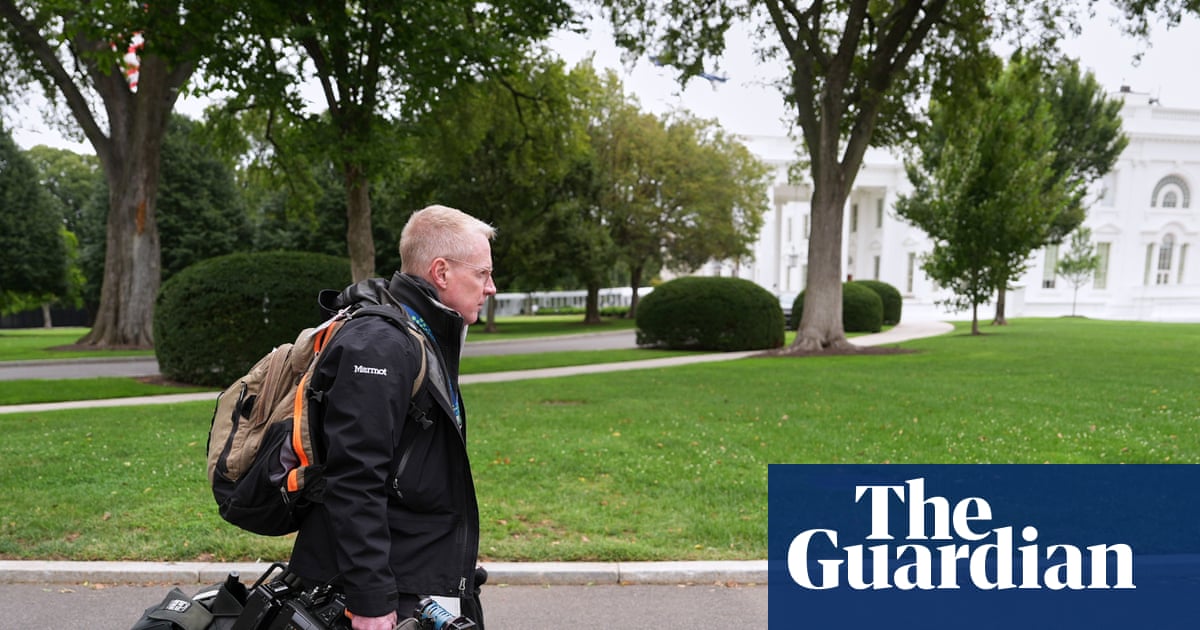 ✓
✓Journalists for CNN and MS Now were denied access to the White House state dinner in honor of Xi Jinping, China’s president, on Thursday evening, hours after a federal judge ruled the Trump administration must allow them in after imposing a ban last week.
“About an hour before Xi’s arrival was scheduled, the White House said CNN could cover the event, but only with a photojournalist and audio technician, notably excluding the network’s editorial team consisting of a reporter and producer,” CNN reported.
MS Now, another outlet banned from the White House by Trump last week for what he calls overly negative coverage of his presidency, also said its White House reporter, Laura Barrón-López, was prevented from covering Xi’s arrival for the state dinner despite applying for credentials to cover the event. When Barrón-López asked a White House staffer why she was denied access, the staffer said she should “talk to Steven”, apparently meaning White House communications director Steven Cheung, MS Now reported.
Xi’s arrival for the dinner, with his wife, Peng Liyuan, was streamed live on YouTube by the White House, but none of the major US networks provided live broadcast video of the event in solidarity with CNN, a member of the broadcast pool.
Earlier on Thursday, journalists for CNN, MS Now and Politico, which was also part of the ban issued last week, were finally granted access to the White House after days of being barred from the building.
Earlier attempts by the journalists to enter the building had been unsuccessful, and lawyers representing the three organizations had told a judge that the White House has already “repeatedly violated” his overnight order requiring the Trump administration to return the press badges of journalists from the three news organizations.
Timothy Kelly, the US district judge who appeared skeptical of arguments from lawyers representing the White House during a hearing on Wednesday, issued an early morning order forcing the administration to return access for a 14-day period.
But journalists from the three affected networks reported being barred from the building, with some having their badges taken for the first time.
“This morning journalists from each of CNN, MS Now, and Politico attempted to enter the White House and were turned away, and Secret Service agents confiscated the hard pass of journalists whose hard passes had not previously been confiscated,” lawyers for the three news organizations wrote in a brief requesting a video or telephone conference “as soon as possible this morning”.
In a legal filing on Thursday afternoon, Micah Stopperich, the White House director of press operations, said in a sworn statement that the operations team was notified at 7.10am to restore access, and that it began reinstating badges at 7.25am. She said that US Secret Service indicated that badges were re-activated as of 9.07am, and that confiscated badges were dropped off at the entry to the building just before 10am.
“United States Secret Service has represented that press passes that were turned on were available for pick up at the press gate as soon as they were delivered,” she said.
The badges were revoked on Saturday, after the president abruptly ordered the three outlets to be banned over “their constant ‘reporting’ FAKE NEWS”. The outlets swiftly sued over the move, which sparked widespread criticism from other news organizations and press freedom advocates.
In a legal filing earlier this week, Department of Justice lawyers argued that the ban was necessary for national security reasons, and listed examples of articles that relied on non-public information.
But Kelly was unswayed, and argued in his ruling that the way in the which the White House banned the organizations had likely violated due process protections for journalists – and well-established legal precedent set in two press access cases by the United States court of appeals for the District of Columbia.
“Plaintiffs are also likely to succeed in showing that their hard passes were revoked without constitutionally adequate due process,” he wrote. “The ‘general rule’ is that ‘individuals must receive notice and an opportunity to be heard before the government deprives them’ of a constitutionally protected interest.”
The judge said that, based on case law, before a press pass can be revoked, the White House “must promulgate rules or standards governing the conduct that would lead to such revocation. And the reporter must ‘receive fair notice not only of the conduct that would subject him to punishment, but also of the magnitude of the sanction that the White House might impose’.”
The three news organizations were not given advance notice that they were in violation of any set of standards and only received formal notice – in letters sent to each news organization on Tuesday – that they “exhibited behavior in violation of the standards of professionalism and decorum expected of those given access to the White House Complex, including by trafficking in verifiable falsehoods about national security and other issues, and publishing sensitive or classified information”.
Michael Kenneth Velchik, a justice department attorney representing the Trump White House, argued that such a process had been laid out in the letters, which informed each news organization that they had until 5pm on Friday to contest the ban. (The letters said that if the organizations did not submit such a challenge, it would become final.)
But the judge said the standard mentioned in the letters was “so vague it hardly does the trick”, and concluded that even the defendants “do not dispute that plaintiffs did not receive notice and an opportunity to be heard before their hard passes were revoked”.
The judge also wrote that he was “skeptical … that defendants’ interest in safeguarding national security is the actual motivation for, or is even advanced by, the revocation of Plaintiffs’ hard passes”. He cited comments from Trump about how the ban was for content-based reasons.
A hearing for a preliminary injunction will be expedited to be held during the 14-day period in which the passes are returned, the judge said.
Theodore J Boutrous Jr, an attorney for CNN, MS Now and Politico, praised the judge’s determination. “This is a strong ruling vindicating freedom of the press, due process and the rule of law,” he said in a statement. “We greatly appreciate the court’s swift action.”
Seemingly anticipating a loss, Trump already said in a post on Truth Social earlier this week that the White House would appeal any adverse ruling.
Read the full story at BBC ↗ · The Guardian ↗ · NPR ↗ · NPR ↗ · Axios ↗ · Axios ↗ · NPR ↗ · NPR ↗ · NPR ↗ · The Guardian ↗
Officials deny entry even after federal judge rules Trump administration must grant banned journalists access. Journalists for CNN and MS Now were denied access to the White House…
This lens runs the verified story through Cinnamon's AI — wired in the next step.
Journalists for CNN and MS Now were denied access to the White House state dinner in honor of Xi Jinping, China’s president, on Thursday evening, hours after a federal judge ruled the Trump administration must allow them in after imposing a ban last week.
“About an hour before Xi’s arrival was scheduled, the White House said CNN could cover the event, but only with a photojournalist and audio technician, notably excluding the network’s editorial team consisting of a reporter and producer,” CNN reported.
MS Now, another outlet banned from the White House by Trump last week for what he calls overly negative coverage of his presidency, also said its White House reporter, Laura Barrón-López, was prevented from covering Xi’s arrival for the state dinner despite applying for credentials to cover the event. When Barrón-López asked a White House staffer why she was denied access, the staffer said she should “talk to Steven”, apparently meaning White House communications director Steven Cheung, MS Now reported.
Xi’s arrival for the dinner, with his wife, Peng Liyuan, was streamed live on YouTube by the White House, but none of the major US networks provided live broadcast video of the event in solidarity with CNN, a member of the broadcast pool.
Earlier on Thursday, journalists for CNN, MS Now and Politico, which was also part of the ban issued last week, were finally granted access to the White House after days of being barred from the building.
Earlier attempts by the journalists to enter the building had been unsuccessful, and lawyers representing the three organizations had told a judge that the White House has already “repeatedly violated” his overnight order requiring the Trump administration to return the press badges of journalists from the three news organizations.
Timothy Kelly, the US district judge who appeared skeptical of arguments from lawyers representing the White House during a hearing on Wednesday, issued an early morning order forcing the administration to return access for a 14-day period.
But journalists from the three affected networks reported being barred from the building, with some having their badges taken for the first time.
“This morning journalists from each of CNN, MS Now, and Politico attempted to enter the White House and were turned away, and Secret Service agents confiscated the hard pass of journalists whose hard passes had not previously been confiscated,” lawyers for the three news organizations wrote in a brief requesting a video or telephone conference “as soon as possible this morning”.
In a legal filing on Thursday afternoon, Micah Stopperich, the White House director of press operations, said in a sworn statement that the operations team was notified at 7.10am to restore access, and that it began reinstating badges at 7.25am. She said that US Secret Service indicated that badges were re-activated as of 9.07am, and that confiscated badges were dropped off at the entry to the building just before 10am.
“United States Secret Service has represented that press passes that were turned on were available for pick up at the press gate as soon as they were delivered,” she said.
The badges were revoked on Saturday, after the president abruptly ordered the three outlets to be banned over “their constant ‘reporting’ FAKE NEWS”. The outlets swiftly sued over the move, which sparked widespread criticism from other news organizations and press freedom advocates.
In a legal filing earlier this week, Department of Justice lawyers argued that the ban was necessary for national security reasons, and listed examples of articles that relied on non-public information.
But Kelly was unswayed, and argued in his ruling that the way in the which the White House banned the organizations had likely violated due process protections for journalists – and well-established legal precedent set in two press access cases by the United States court of appeals for the District of Columbia.
“Plaintiffs are also likely to succeed in showing that their hard passes were revoked without constitutionally adequate due process,” he wrote. “The ‘general rule’ is that ‘individuals must receive notice and an opportunity to be heard before the government deprives them’ of a constitutionally protected interest.”
The judge said that, based on case law, before a press pass can be revoked, the White House “must promulgate rules or standards governing the conduct that would lead to such revocation. And the reporter must ‘receive fair notice not only of the conduct that would subject him to punishment, but also of the magnitude of the sanction that the White House might impose’.”
The three news organizations were not given advance notice that they were in violation of any set of standards and only received formal notice – in letters sent to each news organization on Tuesday – that they “exhibited behavior in violation of the standards of professionalism and decorum expected of those given access to the White House Complex, including by trafficking in verifiable falsehoods about national security and other issues, and publishing sensitive or classified information”.
Michael Kenneth Velchik, a justice department attorney representing the Trump White House, argued that such a process had been laid out in the letters, which informed each news organization that they had until 5pm on Friday to contest the ban. (The letters said that if the organizations did not submit such a challenge, it would become final.)
But the judge said the standard mentioned in the letters was “so vague it hardly does the trick”, and concluded that even the defendants “do not dispute that plaintiffs did not receive notice and an opportunity to be heard before their hard passes were revoked”.
The judge also wrote that he was “skeptical … that defendants’ interest in safeguarding national security is the actual motivation for, or is even advanced by, the revocation of Plaintiffs’ hard passes”. He cited comments from Trump about how the ban was for content-based reasons.
A hearing for a preliminary injunction will be expedited to be held during the 14-day period in which the passes are returned, the judge said.
Theodore J Boutrous Jr, an attorney for CNN, MS Now and Politico, praised the judge’s determination. “This is a strong ruling vindicating freedom of the press, due process and the rule of law,” he said in a statement. “We greatly appreciate the court’s swift action.”
Seemingly anticipating a loss, Trump already said in a post on Truth Social earlier this week that the White House would appeal any adverse ruling.
Read the full story at BBC ↗ · The Guardian ↗ · NPR ↗ · NPR ↗ · Axios ↗ · Axios ↗ · NPR ↗ · NPR ↗ · NPR ↗ · The Guardian ↗
Journalists for CNN and MS Now were denied access to the White House state dinner in honor of Xi Jinping, China’s president, on Thursday evening, hours after a federal judge ruled the Trump administration must allow them in after imposing a ban last week.
“About an hour before Xi’s arrival was scheduled, the White House said CNN could cover the event, but only with a photojournalist and audio technician, notably excluding the network’s editorial team consisting of a reporter and producer,” CNN reported.
MS Now, another outlet banned from the White House by Trump last week for what he calls overly negative coverage of his presidency, also said its White House reporter, Laura Barrón-López, was prevented from covering Xi’s arrival for the state dinner despite applying for credentials to cover the event. When Barrón-López asked a White House staffer why she was denied access, the staffer said she should “talk to Steven”, apparently meaning White House communications director Steven Cheung, MS Now reported.
Xi’s arrival for the dinner, with his wife, Peng Liyuan, was streamed live on YouTube by the White House, but none of the major US networks provided live broadcast video of the event in solidarity with CNN, a member of the broadcast pool.
Earlier on Thursday, journalists for CNN, MS Now and Politico, which was also part of the ban issued last week, were finally granted access to the White House after days of being barred from the building.
Earlier attempts by the journalists to enter the building had been unsuccessful, and lawyers representing the three organizations had told a judge that the White House has already “repeatedly violated” his overnight order requiring the Trump administration to return the press badges of journalists from the three news organizations.
Timothy Kelly, the US district judge who appeared skeptical of arguments from lawyers representing the White House during a hearing on Wednesday, issued an early morning order forcing the administration to return access for a 14-day period.
But journalists from the three affected networks reported being barred from the building, with some having their badges taken for the first time.
“This morning journalists from each of CNN, MS Now, and Politico attempted to enter the White House and were turned away, and Secret Service agents confiscated the hard pass of journalists whose hard passes had not previously been confiscated,” lawyers for the three news organizations wrote in a brief requesting a video or telephone conference “as soon as possible this morning”.
In a legal filing on Thursday afternoon, Micah Stopperich, the White House director of press operations, said in a sworn statement that the operations team was notified at 7.10am to restore access, and that it began reinstating badges at 7.25am. She said that US Secret Service indicated that badges were re-activated as of 9.07am, and that confiscated badges were dropped off at the entry to the building just before 10am.
“United States Secret Service has represented that press passes that were turned on were available for pick up at the press gate as soon as they were delivered,” she said.
The badges were revoked on Saturday, after the president abruptly ordered the three outlets to be banned over “their constant ‘reporting’ FAKE NEWS”. The outlets swiftly sued over the move, which sparked widespread criticism from other news organizations and press freedom advocates.
In a legal filing earlier this week, Department of Justice lawyers argued that the ban was necessary for national security reasons, and listed examples of articles that relied on non-public information.
But Kelly was unswayed, and argued in his ruling that the way in the which the White House banned the organizations had likely violated due process protections for journalists – and well-established legal precedent set in two press access cases by the United States court of appeals for the District of Columbia.
“Plaintiffs are also likely to succeed in showing that their hard passes were revoked without constitutionally adequate due process,” he wrote. “The ‘general rule’ is that ‘individuals must receive notice and an opportunity to be heard before the government deprives them’ of a constitutionally protected interest.”
The judge said that, based on case law, before a press pass can be revoked, the White House “must promulgate rules or standards governing the conduct that would lead to such revocation. And the reporter must ‘receive fair notice not only of the conduct that would subject him to punishment, but also of the magnitude of the sanction that the White House might impose’.”
The three news organizations were not given advance notice that they were in violation of any set of standards and only received formal notice – in letters sent to each news organization on Tuesday – that they “exhibited behavior in violation of the standards of professionalism and decorum expected of those given access to the White House Complex, including by trafficking in verifiable falsehoods about national security and other issues, and publishing sensitive or classified information”.
Michael Kenneth Velchik, a justice department attorney representing the Trump White House, argued that such a process had been laid out in the letters, which informed each news organization that they had until 5pm on Friday to contest the ban. (The letters said that if the organizations did not submit such a challenge, it would become final.)
But the judge said the standard mentioned in the letters was “so vague it hardly does the trick”, and concluded that even the defendants “do not dispute that plaintiffs did not receive notice and an opportunity to be heard before their hard passes were revoked”.
The judge also wrote that he was “skeptical … that defendants’ interest in safeguarding national security is the actual motivation for, or is even advanced by, the revocation of Plaintiffs’ hard passes”. He cited comments from Trump about how the ban was for content-based reasons.
A hearing for a preliminary injunction will be expedited to be held during the 14-day period in which the passes are returned, the judge said.
Theodore J Boutrous Jr, an attorney for CNN, MS Now and Politico, praised the judge’s determination. “This is a strong ruling vindicating freedom of the press, due process and the rule of law,” he said in a statement. “We greatly appreciate the court’s swift action.”
Seemingly anticipating a loss, Trump already said in a post on Truth Social earlier this week that the White House would appeal any adverse ruling.
Read the full story at BBC ↗ · The Guardian ↗ · NPR ↗ · NPR ↗ · Axios ↗ · Axios ↗ · NPR ↗ · NPR ↗ · NPR ↗ · The Guardian ↗
This lens runs the verified story through Cinnamon's AI — wired in the next step.
- Officials deny entry even after federal judge rules Trump administration must grant banned journalists access.
- Journalists for CNN and MS Now were denied access to the White House…
How we verified this · 87% agreement
The thread
- Trump bans CNN, MS NOW and Politico from White House
- CNN, MS NOW, Politico sues White House over blocked access
- White House press ban set to continue for now after hearing ends without ruling
- Whitehouse vs. White House on permitting timeline
- White House pulls ICE nominee who drew MAGA pushback
- Trump’s state dinner for Xi Jinping will not be televised as White House continues to deny CNN full access – as it happened