‘Constitutional coup’ claims as Zimbabwe senate approves extending presidential term
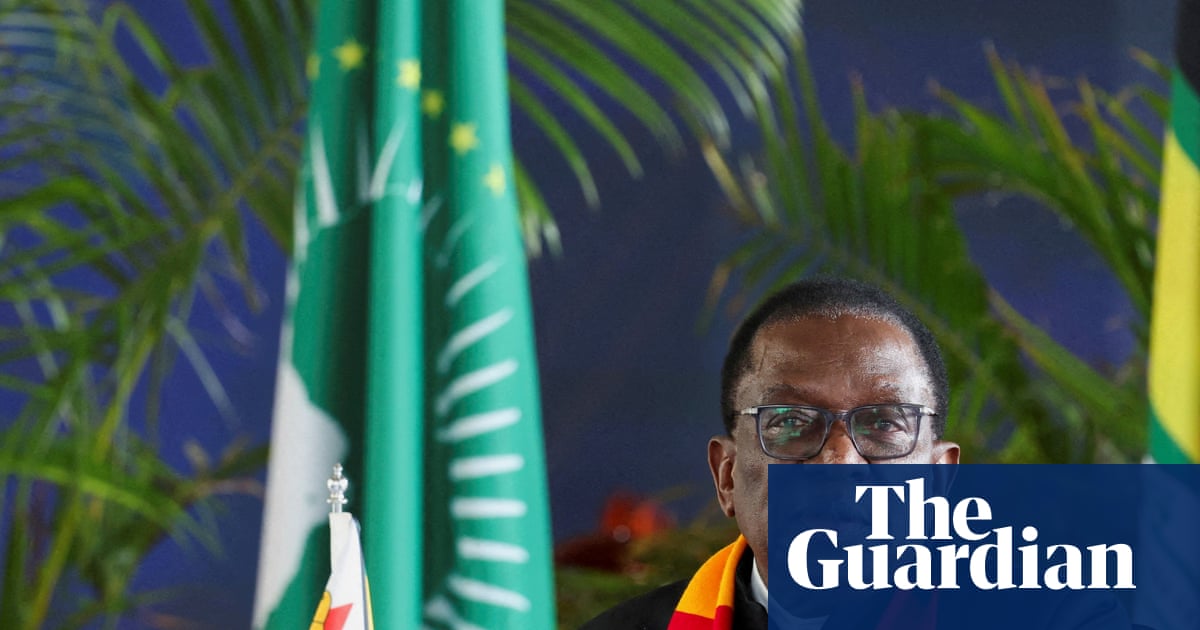
Zimbabwe is on the brink of amending its constitution to give the president more time in office, a change that the government says will bring stability but that opponents have labelled a “constitutional coup”.
The upper house of Zimbabwe’s parliament voted on Wednesday 75-4 in favour of the constitutional amendments, which will allow President Emmerson Mnangagwa to stay in office until 2030 by extending presidential terms from five to seven years.
The bill, which will also replace direct presidential elections with the appointment of the president by parliament, was passed by the lower house last week and the government said the president was expected to sign it into law next month.
Opposition figures fear the changes could further tighten the hold on power of Mnangagwa, known as “the Crocodile”, and his Zanu-PF party, which has ruled Zimbabwe since independence in 1980.
Mnangagwa, now 83, won a second term in office with 52.6% of the vote in the 2023 presidential election, amid criticism of the election process from international observers and opposition figures.
Critics of the constitutional changes claimed Zimbabwe could slide back to the repression seen under Robert Mugabe, who resigned in 2017 after 37 years in power, after a coup led by Mnangagwa.
Makomborero Haruzivishe, a spokesperson for the Constitutional Defenders Forum (CDF), a group campaigning against the amendments, said: “It is a calculated constitutional coup against the people of Zimbabwe. It strips citizens of the fundamental right to directly elect their president, replacing popular sovereignty with parliamentary selection by a captured legislature.”
Nick Mangwana, the permanent secretary in Zimbabwe’s information ministry, said: “To characterise this legitimate legislative exercise as a ‘coup’ is not only factually incorrect but deeply disrespectful to the sovereign parliamentary processes of the Republic of Zimbabwe.”
He said: “The primary objective is to enhance political stability and ensure policy continuity … We are not removing presidential term limits, we are simply adjusting the electoral cycle to reduce the frequency of highly contested, polarising elections.”
Mangwana rejected suggestions that constitutional amendments had to be approved in a referendum, saying the attorney general had found no legal basis for requiring a people’s vote.
Opponents of the constitutional amendments said they had been subjected to harassment and prevented from campaigning. Tendai Biti, one of the CDF’s convenors, said security forces had barged into his office six times since October 2025.
Responding to a claim that Biti’s driver had been assaulted in one such incident in March, police said officers had been sent to Biti’s office “for the maintenance of law and order”.
Also in March, Lovemore Madhuku, a lawyer who had filed a constitutional court challenge to the amendment bill, said he was beaten by a group of balaclava-wearing men who then drove off in unmarked vehicles followed by two police vehicles. Local media published photos of Madhuku with large welts across his upper back.
Zimbabwe’s police force said in a statement: “The police were not involved in the alleged incident.”
Mangwana said: “If any individual – whether Professor Madhuku, Mr Biti, or anyone else – possesses credible evidence of assault or harassment by state agents, my office urges them to formally lodge a complaint with the [police] or the relevant judicial authorities.”
Mangwana said a consultation process had received 537,000 submissions, with an “overwhelming majority supporting the constitutional changes”.
Jameson Timba, a minister during Zimbabwe’s government of national unity from 2009 to 2013, said he and his allies had been prevented from speaking during the public consultation events.
Timba said: “We are just the tip of the iceberg. In almost every district that [the government] went to, people were being denied an opportunity to speak … Those public hearings are not a representation of anything. They are a fraud.”
Zimbabwe became internationally isolated during the 2000s after Mugabe’s government confiscated more than 4,000 farms from mostly white farmers. Economic output plunged, resulting in hyperinflation in 2008, after which Mugabe was pressed into a coalition government with the opposition at the time.
Many Zimbabweans view Mnangagwa’s rule as a continuation of Mugabe’s. In 2024, the US imposed sanctions on Mnangagwa, his wife, Auxillia, and nine other people, accusing them of corruption.
Read the full story at The Guardian ↗
Zimbabwe's parliament is advancing a constitutional amendment that would extend the presidential term from five to seven years and shift presidential selection from direct election to parliamentary appointment. The senate voted 75-4 in favour on Wednesday; the lower house approved it previously. President Mnangagwa, currently 83, would remain eligible for office until 2030 under the new rules. The government frames this as stabilising governance and reducing polarising election cycles. It cites a public consultation process that received 537,000 submissions. Opposition groups argue the changes restrict democratic participation and note that some critics experienced harassment during the consultation period, including alleged assaults on opposition figures. The government denies state involvement in reported incidents and says those with credible evidence should pursue formal complaints. This comes as Zimbabwe faces international scrutiny over election practices and Mnangagwa faces US sanctions.
Read the full story at The Guardian ↗
Zimbabwe is on the brink of amending its constitution to give the president more time in office, a change that the government says will bring stability but that opponents have labelled a “constitutional coup”.
The upper house of Zimbabwe’s parliament voted on Wednesday 75-4 in favour of the constitutional amendments, which will allow President Emmerson Mnangagwa to stay in office until 2030 by extending presidential terms from five to seven years.
The bill, which will also replace direct presidential elections with the appointment of the president by parliament, was passed by the lower house last week and the government said the president was expected to sign it into law next month.
Opposition figures fear the changes could further tighten the hold on power of Mnangagwa, known as “the Crocodile”, and his Zanu-PF party, which has ruled Zimbabwe since independence in 1980.
Mnangagwa, now 83, won a second term in office with 52.6% of the vote in the 2023 presidential election, amid criticism of the election process from international observers and opposition figures.
Critics of the constitutional changes claimed Zimbabwe could slide back to the repression seen under Robert Mugabe, who resigned in 2017 after 37 years in power, after a coup led by Mnangagwa.
Makomborero Haruzivishe, a spokesperson for the Constitutional Defenders Forum (CDF), a group campaigning against the amendments, said: “It is a calculated constitutional coup against the people of Zimbabwe. It strips citizens of the fundamental right to directly elect their president, replacing popular sovereignty with parliamentary selection by a captured legislature.”
Nick Mangwana, the permanent secretary in Zimbabwe’s information ministry, said: “To characterise this legitimate legislative exercise as a ‘coup’ is not only factually incorrect but deeply disrespectful to the sovereign parliamentary processes of the Republic of Zimbabwe.”
He said: “The primary objective is to enhance political stability and ensure policy continuity … We are not removing presidential term limits, we are simply adjusting the electoral cycle to reduce the frequency of highly contested, polarising elections.”
Mangwana rejected suggestions that constitutional amendments had to be approved in a referendum, saying the attorney general had found no legal basis for requiring a people’s vote.
Opponents of the constitutional amendments said they had been subjected to harassment and prevented from campaigning. Tendai Biti, one of the CDF’s convenors, said security forces had barged into his office six times since October 2025.
Responding to a claim that Biti’s driver had been assaulted in one such incident in March, police said officers had been sent to Biti’s office “for the maintenance of law and order”.
Also in March, Lovemore Madhuku, a lawyer who had filed a constitutional court challenge to the amendment bill, said he was beaten by a group of balaclava-wearing men who then drove off in unmarked vehicles followed by two police vehicles. Local media published photos of Madhuku with large welts across his upper back.
Zimbabwe’s police force said in a statement: “The police were not involved in the alleged incident.”
Mangwana said: “If any individual – whether Professor Madhuku, Mr Biti, or anyone else – possesses credible evidence of assault or harassment by state agents, my office urges them to formally lodge a complaint with the [police] or the relevant judicial authorities.”
Mangwana said a consultation process had received 537,000 submissions, with an “overwhelming majority supporting the constitutional changes”.
Jameson Timba, a minister during Zimbabwe’s government of national unity from 2009 to 2013, said he and his allies had been prevented from speaking during the public consultation events.
Timba said: “We are just the tip of the iceberg. In almost every district that [the government] went to, people were being denied an opportunity to speak … Those public hearings are not a representation of anything. They are a fraud.”
Zimbabwe became internationally isolated during the 2000s after Mugabe’s government confiscated more than 4,000 farms from mostly white farmers. Economic output plunged, resulting in hyperinflation in 2008, after which Mugabe was pressed into a coalition government with the opposition at the time.
Many Zimbabweans view Mnangagwa’s rule as a continuation of Mugabe’s. In 2024, the US imposed sanctions on Mnangagwa, his wife, Auxillia, and nine other people, accusing them of corruption.
Read the full story at The Guardian ↗
Zimbabwe's upper house voted 75-4 in favour of constitutional amendments on Wednesday The amendments extend presidential terms from five to seven years The amendments would replace direct presidential elections with parliamentary appointment of the president The lower house approved the bill last week The government said the president was expected to sign it into law next month The changes would allow President Emmerson Mnangagwa to stay in office until 2030 Mnangagwa is 83 years old Mnangagwa won a second term in 2023 with 52.6% of the vote International observers and opposition figures criticised the 2023 election process The amendments strip citizens of the fundamental right to directly elect their president The amendments are a 'constitutional coup' against the people of Zimbabwe The primary objective is to enhance political stability and ensure policy continuity The government characterised the amendments as adjusting the electoral cycle to reduce frequency of contested, polarising elections Opponents of the constitutional amendments said they had been subjected to harassment and prevented from campaigning Tendai Biti said security forces had barged into his office six times since October 2025 In March, Lovemore Madhuku reported being beaten by balaclava-wearing men; local media published photos of welts across his upper back Police said they were not involved in the alleged incident against Madhuku The government said a consultation process received 537,000 submissions with an 'overwhelming majority supporting' the changes Jameson Timba said he and his allies had been prevented from speaking during public consultation events Critics fear the changes could further tighten the hold on power of Mnangagwa and his Zanu-PF party Many Zimbabweans view Mnangagwa's rule as a continuation of Robert Mugabe's The US imposed sanctions on Mnangagwa and others in 2024, accusing them of corruption
Read the full story at The Guardian ↗
- Zimbabwe's upper house voted 75-4 to amend the constitution, extending presidential terms from five to seven years and replacing direct elections with parliamentary appointment of the president
- President Emmerson Mnangagwa, 83, would be able to remain in office until 2030 under the changes; the lower house approved the bill last week and the president is expected to sign it next month
- Opposition groups call the amendments a 'constitutional coup' and cite harassment of critics during the consultation process; the government says the changes enhance stability and were supported by an 'overwhelming majority' in public consultation
- The amendments occur amid international scrutiny of Zimbabwe's election practices and US sanctions against Mnangagwa and others for alleged corruption