England to get powerful maternity commissioner after ‘shocking’ failings
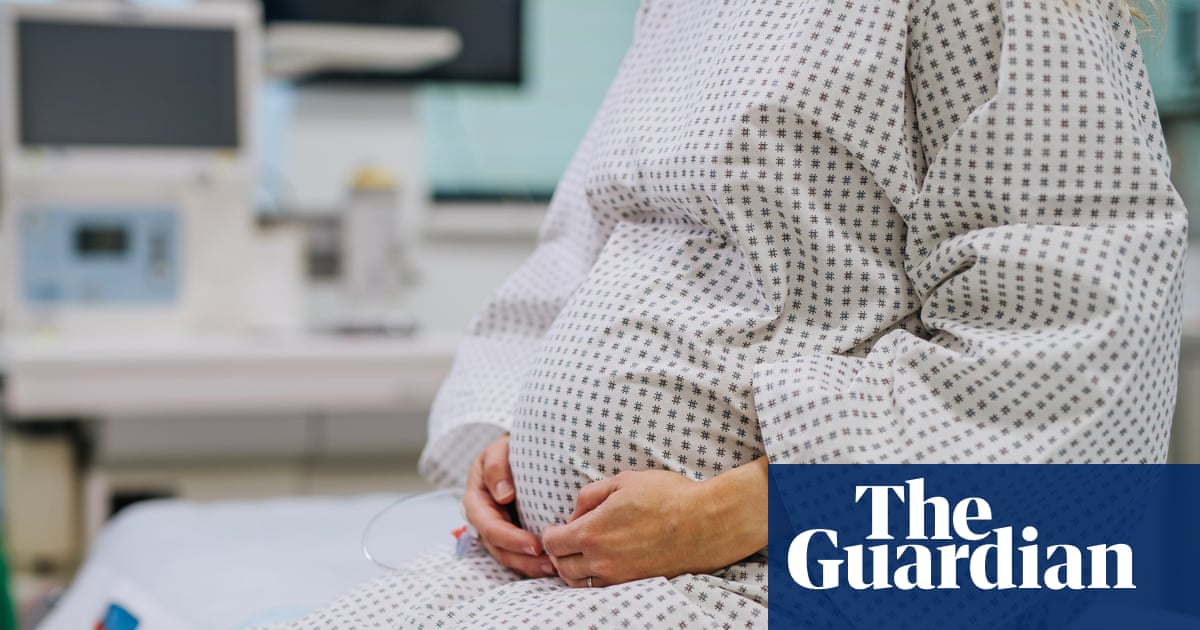
A powerful maternity commissioner will be appointed to push through an urgent transformation of childbirth care in England after a major review concluded that it had multiple failings.
Ministers have bowed to growing pressure by agreeing to recruit the UK’s first commissioner for maternity and neonatal care. Whoever takes on the role will pursue hospitals over persistent failures in care, ensure wide-ranging improvements are made and try to restore the faith of families in a maternity system in England that has been rocked by a series of scandals.
James Murray, the health secretary, announced the move in response to Valerie Amos’s government-commissioned inquiry of maternity care, which concluded it was a system characterised by poor care and a failure to listen to women, and was plagued by racism and discrimination.
“The maternity and neonatal system in England is no longer fit to consistently deliver high-quality, compassionate care to every woman and family, and requires urgent reform to put safety at its centre, embed a focus on listening to women and ensure anti-racist practice at every level,” she found.
Lady Amos’s report is the second in less than a week to advise ministers to instigate a dramatic overhaul to reduce the risk of mothers and babies suffering harm or dying because of errors and receiving inadequate care from the NHS. Donna Ockenden, the author of last week’s inquiry into the Nottingham maternity scandal, is widely expected to become the new commissioner.
The appointee will also co-chair with the health secretary the government’s national maternity and neonatal taskforce. It is drawing up an action plan to improve care, which is due in December.
“I still find it shocking that women and babies have been harmed or have died, sometimes as a result of failings in the maternity and neonatal care provided. We are a wealthy country. It should not happen,” Amos said in the 181-page report of her nine month-long investigation.
“Having a baby should be one of the happiest moments of a family’s life. For most women in England, it is. But for too many – depending on where they live, who they are or simply the day they give birth – the care they receive is not good enough and can result in avoidable harm.
“Every instance of avoidable harm is one too many. The emotional toll and cost to families is indescribable. As a country, as a community, we cannot continue like this,” said Amos, a Labour peer and former cabinet minister.
Murray pledged that Amos’s “landmark” report would prove “a turning point” in efforts to ensure that every woman received safe and high-quality care during pregnancy, labour and birth.
“Appointing the UK’s first ever maternity and neonatal commissioners will drive lasting change and make sure women and families are never ignored again,” he added.
The maternity system in England was “confusing, inflexible and unresponsive to women and families”, according to the report. Mothers told Amos how they had been dismissed when they raised concerns, “leading in some cases to avoidable harm or unsafe care”, and treated with a lack of compassion. A lack of pain relief meant some suffered pain and distress during a caesarean section or assisted vaginal birth.
Women of colour have experienced racism or discrimination. That has led to them “receiving unfair or unequal treatment, leading to delays, unsafe care with, at times, devastating outcomes” and becoming reluctant to engage with childbirth services.
Amos said she had been asked during her inquiry if women and families should trust their local maternity service to look after them properly. However, she did not give an answer and said only that she did not want to discourage anyone from getting pregnant and having a baby.
She made eight main recommendations to improve care, including that:
Maternity triage services – the childbirth equivalent of A&E – need an urgent overhaul, including more staff on duty, so that women’s concerns are acted on more quickly.
Families should get the right to seek a fresh, independent investigation when things go wrong if they are not happy with the hospital’s own inquiry.
The NHS’s “brutal” and “cruel” system of agreeing compensation with harmed and bereaved families should be replaced by a new process in which hospitals admit errors immediately.
The NHS must root out racism and discrimination that is “embedded throughout the maternity and neonatal system”.
Maternity care has not kept pace with major changes in recent years, such as the shift towards older women giving birth, the fact that more mothers-to-be have an underlying health condition and the dramatic recent rise in medical intervention such as induction of labour and caesarean sections, she added.
Amos highlighted that many of the multiple recommendations made by a series of previous reviews to improve maternity care had not been implemented or proved short lived. Some maternity units are so old they were now “unsafe”. Widespread understaffing was compromising quality of care and leaving maternity personnel suffering “trauma and moral injury from failures in care”.
In a rare positive finding she noted that stillbirths and neonatal deaths were at near-record lows, but added that progress on both fronts had stalled since 2020.
The report was overshadowed by one of Amos’s clinical advisers, Dr Bill Kirkup, a renowned maternity safety expert, resigning on Monday, hours before it was published, in a row over its section of “normal birth ideology”. Amos said Kirkup disagreed with the wording.
However, the Health Service Journal reported that he had quit “because of a disagreement of principle” over that belief, which holds that women should give birth vaginally, without intervention, as far as possible.
Read the full story at The Guardian ↗
England is creating a new maternity and neonatal commissioner role following a comprehensive government inquiry. Lady Valerie Amos's nine-month investigation found the English maternity system has persistent gaps in safety and care quality, including inadequate responsiveness to women's concerns, racial and ethnic discrimination, understaffing, and infrastructure limitations. The inquiry documented instances where women experienced dismissal of concerns, inadequate pain relief during procedures, and unequal treatment based on ethnicity. Amos recommended eight improvements: triage system overhaul, independent investigation rights for families dissatisfied with hospital inquiries, a new compensation process replacing current NHS procedures, embedded anti-racism measures, and structural updates to address staffing and aging facilities. The report noted that previous recommendations from earlier reviews often went unimplemented. Stillbirths and neonatal deaths remain near record lows, though progress has plateaued since 2020. The new commissioner will co-chair a national taskforce preparing reforms by December. Health Secretary James Murray framed the appointment as a response to growing pressure and a turning point for maternity care.
Read the full story at The Guardian ↗
A powerful maternity commissioner will be appointed to push through an urgent transformation of childbirth care in England after a major review concluded that it had multiple failings.
Ministers have bowed to growing pressure by agreeing to recruit the UK’s first commissioner for maternity and neonatal care. Whoever takes on the role will pursue hospitals over persistent failures in care, ensure wide-ranging improvements are made and try to restore the faith of families in a maternity system in England that has been rocked by a series of scandals.
James Murray, the health secretary, announced the move in response to Valerie Amos’s government-commissioned inquiry of maternity care, which concluded it was a system characterised by poor care and a failure to listen to women, and was plagued by racism and discrimination.
“The maternity and neonatal system in England is no longer fit to consistently deliver high-quality, compassionate care to every woman and family, and requires urgent reform to put safety at its centre, embed a focus on listening to women and ensure anti-racist practice at every level,” she found.
Lady Amos’s report is the second in less than a week to advise ministers to instigate a dramatic overhaul to reduce the risk of mothers and babies suffering harm or dying because of errors and receiving inadequate care from the NHS. Donna Ockenden, the author of last week’s inquiry into the Nottingham maternity scandal, is widely expected to become the new commissioner.
The appointee will also co-chair with the health secretary the government’s national maternity and neonatal taskforce. It is drawing up an action plan to improve care, which is due in December.
“I still find it shocking that women and babies have been harmed or have died, sometimes as a result of failings in the maternity and neonatal care provided. We are a wealthy country. It should not happen,” Amos said in the 181-page report of her nine month-long investigation.
“Having a baby should be one of the happiest moments of a family’s life. For most women in England, it is. But for too many – depending on where they live, who they are or simply the day they give birth – the care they receive is not good enough and can result in avoidable harm.
“Every instance of avoidable harm is one too many. The emotional toll and cost to families is indescribable. As a country, as a community, we cannot continue like this,” said Amos, a Labour peer and former cabinet minister.
Murray pledged that Amos’s “landmark” report would prove “a turning point” in efforts to ensure that every woman received safe and high-quality care during pregnancy, labour and birth.
“Appointing the UK’s first ever maternity and neonatal commissioners will drive lasting change and make sure women and families are never ignored again,” he added.
The maternity system in England was “confusing, inflexible and unresponsive to women and families”, according to the report. Mothers told Amos how they had been dismissed when they raised concerns, “leading in some cases to avoidable harm or unsafe care”, and treated with a lack of compassion. A lack of pain relief meant some suffered pain and distress during a caesarean section or assisted vaginal birth.
Women of colour have experienced racism or discrimination. That has led to them “receiving unfair or unequal treatment, leading to delays, unsafe care with, at times, devastating outcomes” and becoming reluctant to engage with childbirth services.
Amos said she had been asked during her inquiry if women and families should trust their local maternity service to look after them properly. However, she did not give an answer and said only that she did not want to discourage anyone from getting pregnant and having a baby.
She made eight main recommendations to improve care, including that:
Maternity triage services – the childbirth equivalent of A&E – need an urgent overhaul, including more staff on duty, so that women’s concerns are acted on more quickly.
Families should get the right to seek a fresh, independent investigation when things go wrong if they are not happy with the hospital’s own inquiry.
The NHS’s “brutal” and “cruel” system of agreeing compensation with harmed and bereaved families should be replaced by a new process in which hospitals admit errors immediately.
The NHS must root out racism and discrimination that is “embedded throughout the maternity and neonatal system”.
Maternity care has not kept pace with major changes in recent years, such as the shift towards older women giving birth, the fact that more mothers-to-be have an underlying health condition and the dramatic recent rise in medical intervention such as induction of labour and caesarean sections, she added.
Amos highlighted that many of the multiple recommendations made by a series of previous reviews to improve maternity care had not been implemented or proved short lived. Some maternity units are so old they were now “unsafe”. Widespread understaffing was compromising quality of care and leaving maternity personnel suffering “trauma and moral injury from failures in care”.
In a rare positive finding she noted that stillbirths and neonatal deaths were at near-record lows, but added that progress on both fronts had stalled since 2020.
The report was overshadowed by one of Amos’s clinical advisers, Dr Bill Kirkup, a renowned maternity safety expert, resigning on Monday, hours before it was published, in a row over its section of “normal birth ideology”. Amos said Kirkup disagreed with the wording.
However, the Health Service Journal reported that he had quit “because of a disagreement of principle” over that belief, which holds that women should give birth vaginally, without intervention, as far as possible.
Read the full story at The Guardian ↗
A maternity commissioner will be appointed to oversee transformation of childbirth care in England. Lady Valerie Amos's government-commissioned inquiry found the maternity system characterized by poor care, failure to listen to women, racism, and discrimination. The maternity system in England is no longer fit to consistently deliver high-quality, compassionate care. Women have been dismissed when raising concerns, leading to avoidable harm or unsafe care. Women of colour have experienced racism or discrimination leading to unequal treatment and unsafe care. Donna Ockenden is widely expected to become the new commissioner. The system is confusing, inflexible and unresponsive to women and families. Eight main recommendations were made, including triage overhaul, independent investigation rights, new compensation processes, and anti-racism measures. Many previous recommendations from earlier reviews had not been implemented or proved short-lived. Some maternity units are old and unsafe. Widespread understaffing is compromising care quality and causing trauma to maternity personnel. Stillbirths and neonatal deaths are at near-record lows, though progress has stalled since 2020.
Read the full story at The Guardian ↗
- England will appoint its first maternity and neonatal commissioner to oversee urgent reforms after a government inquiry found systemic failings in childbirth care.
- Lady Valerie Amos's report identified poor listening to women, racism, discrimination, understaffing, and outdated infrastructure as core problems affecting maternal and neonatal safety.
- The commissioner will chair a national taskforce developing an action plan due in December; Donna Ockenden is expected to fill the role following her recent Nottingham maternity inquiry.