Fears of return to war as Tigray rebels launch offensive against Ethiopian army
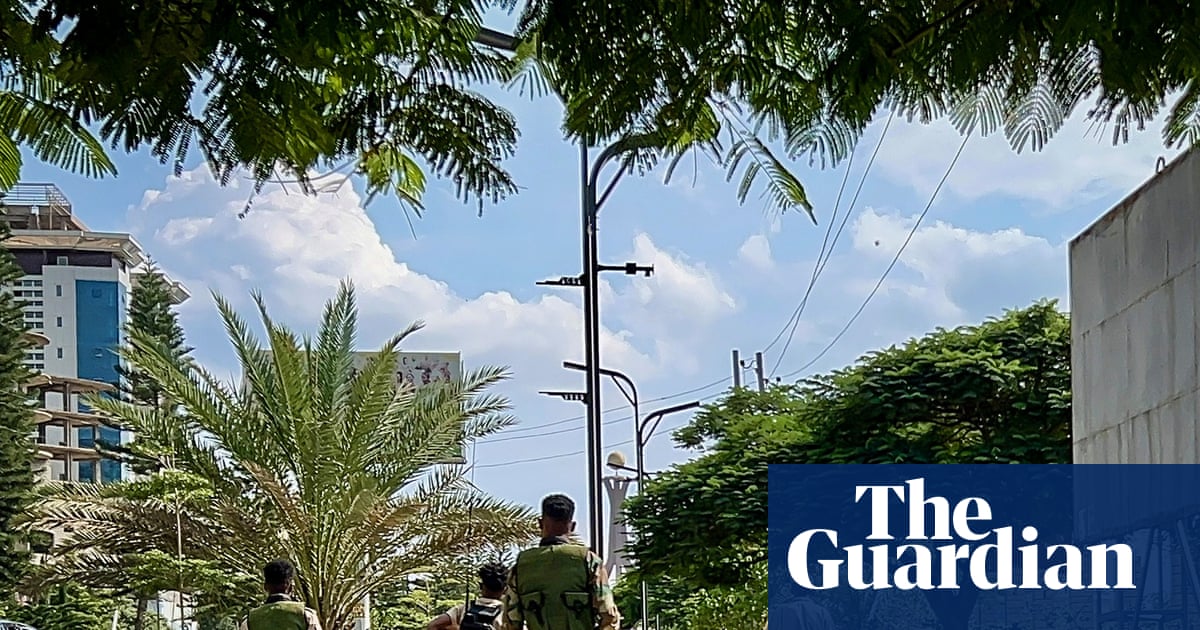 ✓
✓There are growing fears of a return to civil war in Ethiopia after an offensive by rebels from Tigray into the neighbouring states of Afar and Amhara , and the formation of a new rebel coalition aimed at overthrowing the government of the prime minister, Abiy Ahmed.
Fighting from 2020 to 2022 between the Ethiopian army and the political party and paramilitary group Tigray People’s Liberation Front (TPLF) killed about 600,000 people. Both sides are now accusing the other of triggering a return to open conflict.
On Sunday, seven armed groups from around the country, including TPLF, announced the formation of the Ethiopian Peoples’ Forces Alliance for Survival, aimed at deposing the government in Addis Ababa. Then, on Wednesday, TPLF seized control of three airports from federal police. The state-owned carrier, Ethiopian Airlines, said it had suspended flights to the region “due to the current situation”.
TPLF also launched attacks into Afar and Amhara. A humanitarian source in Afar told Agence France-Presse (AFP) there were heavy artillery attacks by the group on Thursday as they attempted to take control of the town of Yallo, near the Tigrayan border.
TPLF’s vice-president, Amanuel Assefa, told AFP: “We are in the situation of full-blown war now.” He confirmed Tigrayan forces were fighting alongside local armed groups in Afar and Amhara.
The group took control of Abala, also on the Tigray-Afar border, on Wednesday, a foreign security source based in Ethiopia told AFP, while a TPLF source said they had seized several other towns in Afar. The foreign security source also said there was fighting around the Amhara town of Weldiya – one of the few routes to the capital, Addis Ababa.
The federal army said it had killed 272 TPLF soldiers as they launched attacks in multiple parts of North Wollo Zone in Amhara. The figure has not been independently verified, and no casualties were given for the federal army or civilians.
Analysts say TPLF has support from Ethiopia’s neighbour and historic adversary Eritrea, which fears landlocked Ethiopia is planning to invade its territory to gain access to the Red Sea. The TPLF’s Assefa told AFP “we have no information about Eritrea’s plan”. Asked if they would request Eritrean intervention, he said: “Not yet.”
The current fighting reflects shifting dynamics from the civil war, when Eritrea and Fano, an insurgent group that’s now part of the new alliance, both fought with the government against the Tigrayans.
Speaking at the UN general assembly on Wednesday, the Ethiopian president, Taye Atske-Selassie Amde, decried “the forces of destruction and mayhem” and “interference in our internal affairs by adversarial elements”. He said Ethiopia had exercised “immense restraint” and made progress with its neighbours.
Abiy’s spokesperson, Billene Seyoum, said members of the alliance had been collaborating for a while with the financial backing of Eritrea. Eritrea has repeatedly denied similar accusations.
TPLF ruled Ethiopia from 1991 to 2018 before being sidelined by the rise of Abiy, eventually triggering the civil war.
The renewed fighting marks the most serious challenge yet to the 2022 Pretoria Agreement, which ended the civil war and maintained an uneasy calm until late last year, when clashes resumed.
It raises fears of a broader regional conflict that could draw in armed groups from across and further destabilise a region already strained by war in neighbouring Sudan and tensions along the Red Sea.
On Wednesday, the African Union chair, Mahmoud Ali Youssouf, urged “utmost restraint” from the warring parties and resumption of direct talks.
An EU spokesperson called for “immediate de-escalation” and a recommitment to the Pretoria Agreement.
AFP and Reuters contributed reporting
Read the full story at The Guardian ↗ · NPR ↗
Fighting escalates after TPLF forms new rebel coalition aimed at overthrowing Abiy Ahmed government. There are growing fears of a return to civil war in Ethiopia after an…
This lens runs the verified story through Cinnamon's AI — wired in the next step.
There are growing fears of a return to civil war in Ethiopia after an offensive by rebels from Tigray into the neighbouring states of Afar and Amhara , and the formation of a new rebel coalition aimed at overthrowing the government of the prime minister, Abiy Ahmed.
Fighting from 2020 to 2022 between the Ethiopian army and the political party and paramilitary group Tigray People’s Liberation Front (TPLF) killed about 600,000 people. Both sides are now accusing the other of triggering a return to open conflict.
On Sunday, seven armed groups from around the country, including TPLF, announced the formation of the Ethiopian Peoples’ Forces Alliance for Survival, aimed at deposing the government in Addis Ababa. Then, on Wednesday, TPLF seized control of three airports from federal police. The state-owned carrier, Ethiopian Airlines, said it had suspended flights to the region “due to the current situation”.
TPLF also launched attacks into Afar and Amhara. A humanitarian source in Afar told Agence France-Presse (AFP) there were heavy artillery attacks by the group on Thursday as they attempted to take control of the town of Yallo, near the Tigrayan border.
TPLF’s vice-president, Amanuel Assefa, told AFP: “We are in the situation of full-blown war now.” He confirmed Tigrayan forces were fighting alongside local armed groups in Afar and Amhara.
The group took control of Abala, also on the Tigray-Afar border, on Wednesday, a foreign security source based in Ethiopia told AFP, while a TPLF source said they had seized several other towns in Afar. The foreign security source also said there was fighting around the Amhara town of Weldiya – one of the few routes to the capital, Addis Ababa.
The federal army said it had killed 272 TPLF soldiers as they launched attacks in multiple parts of North Wollo Zone in Amhara. The figure has not been independently verified, and no casualties were given for the federal army or civilians.
Analysts say TPLF has support from Ethiopia’s neighbour and historic adversary Eritrea, which fears landlocked Ethiopia is planning to invade its territory to gain access to the Red Sea. The TPLF’s Assefa told AFP “we have no information about Eritrea’s plan”. Asked if they would request Eritrean intervention, he said: “Not yet.”
The current fighting reflects shifting dynamics from the civil war, when Eritrea and Fano, an insurgent group that’s now part of the new alliance, both fought with the government against the Tigrayans.
Speaking at the UN general assembly on Wednesday, the Ethiopian president, Taye Atske-Selassie Amde, decried “the forces of destruction and mayhem” and “interference in our internal affairs by adversarial elements”. He said Ethiopia had exercised “immense restraint” and made progress with its neighbours.
Abiy’s spokesperson, Billene Seyoum, said members of the alliance had been collaborating for a while with the financial backing of Eritrea. Eritrea has repeatedly denied similar accusations.
TPLF ruled Ethiopia from 1991 to 2018 before being sidelined by the rise of Abiy, eventually triggering the civil war.
The renewed fighting marks the most serious challenge yet to the 2022 Pretoria Agreement, which ended the civil war and maintained an uneasy calm until late last year, when clashes resumed.
It raises fears of a broader regional conflict that could draw in armed groups from across and further destabilise a region already strained by war in neighbouring Sudan and tensions along the Red Sea.
On Wednesday, the African Union chair, Mahmoud Ali Youssouf, urged “utmost restraint” from the warring parties and resumption of direct talks.
An EU spokesperson called for “immediate de-escalation” and a recommitment to the Pretoria Agreement.
AFP and Reuters contributed reporting
Read the full story at The Guardian ↗ · NPR ↗
There are growing fears of a return to civil war in Ethiopia after an offensive by rebels from Tigray into the neighbouring states of Afar and Amhara , and the formation of a new rebel coalition aimed at overthrowing the government of the prime minister, Abiy Ahmed.
Fighting from 2020 to 2022 between the Ethiopian army and the political party and paramilitary group Tigray People’s Liberation Front (TPLF) killed about 600,000 people. Both sides are now accusing the other of triggering a return to open conflict.
On Sunday, seven armed groups from around the country, including TPLF, announced the formation of the Ethiopian Peoples’ Forces Alliance for Survival, aimed at deposing the government in Addis Ababa. Then, on Wednesday, TPLF seized control of three airports from federal police. The state-owned carrier, Ethiopian Airlines, said it had suspended flights to the region “due to the current situation”.
TPLF also launched attacks into Afar and Amhara. A humanitarian source in Afar told Agence France-Presse (AFP) there were heavy artillery attacks by the group on Thursday as they attempted to take control of the town of Yallo, near the Tigrayan border.
TPLF’s vice-president, Amanuel Assefa, told AFP: “We are in the situation of full-blown war now.” He confirmed Tigrayan forces were fighting alongside local armed groups in Afar and Amhara.
The group took control of Abala, also on the Tigray-Afar border, on Wednesday, a foreign security source based in Ethiopia told AFP, while a TPLF source said they had seized several other towns in Afar. The foreign security source also said there was fighting around the Amhara town of Weldiya – one of the few routes to the capital, Addis Ababa.
The federal army said it had killed 272 TPLF soldiers as they launched attacks in multiple parts of North Wollo Zone in Amhara. The figure has not been independently verified, and no casualties were given for the federal army or civilians.
Analysts say TPLF has support from Ethiopia’s neighbour and historic adversary Eritrea, which fears landlocked Ethiopia is planning to invade its territory to gain access to the Red Sea. The TPLF’s Assefa told AFP “we have no information about Eritrea’s plan”. Asked if they would request Eritrean intervention, he said: “Not yet.”
The current fighting reflects shifting dynamics from the civil war, when Eritrea and Fano, an insurgent group that’s now part of the new alliance, both fought with the government against the Tigrayans.
Speaking at the UN general assembly on Wednesday, the Ethiopian president, Taye Atske-Selassie Amde, decried “the forces of destruction and mayhem” and “interference in our internal affairs by adversarial elements”. He said Ethiopia had exercised “immense restraint” and made progress with its neighbours.
Abiy’s spokesperson, Billene Seyoum, said members of the alliance had been collaborating for a while with the financial backing of Eritrea. Eritrea has repeatedly denied similar accusations.
TPLF ruled Ethiopia from 1991 to 2018 before being sidelined by the rise of Abiy, eventually triggering the civil war.
The renewed fighting marks the most serious challenge yet to the 2022 Pretoria Agreement, which ended the civil war and maintained an uneasy calm until late last year, when clashes resumed.
It raises fears of a broader regional conflict that could draw in armed groups from across and further destabilise a region already strained by war in neighbouring Sudan and tensions along the Red Sea.
On Wednesday, the African Union chair, Mahmoud Ali Youssouf, urged “utmost restraint” from the warring parties and resumption of direct talks.
An EU spokesperson called for “immediate de-escalation” and a recommitment to the Pretoria Agreement.
AFP and Reuters contributed reporting
Read the full story at The Guardian ↗ · NPR ↗
This lens runs the verified story through Cinnamon's AI — wired in the next step.
- Fighting escalates after TPLF forms new rebel coalition aimed at overthrowing Abiy Ahmed government.
- There are growing fears of a return to civil war in Ethiopia after an…