France confirms first Ebola case in doctor who had worked in DRC
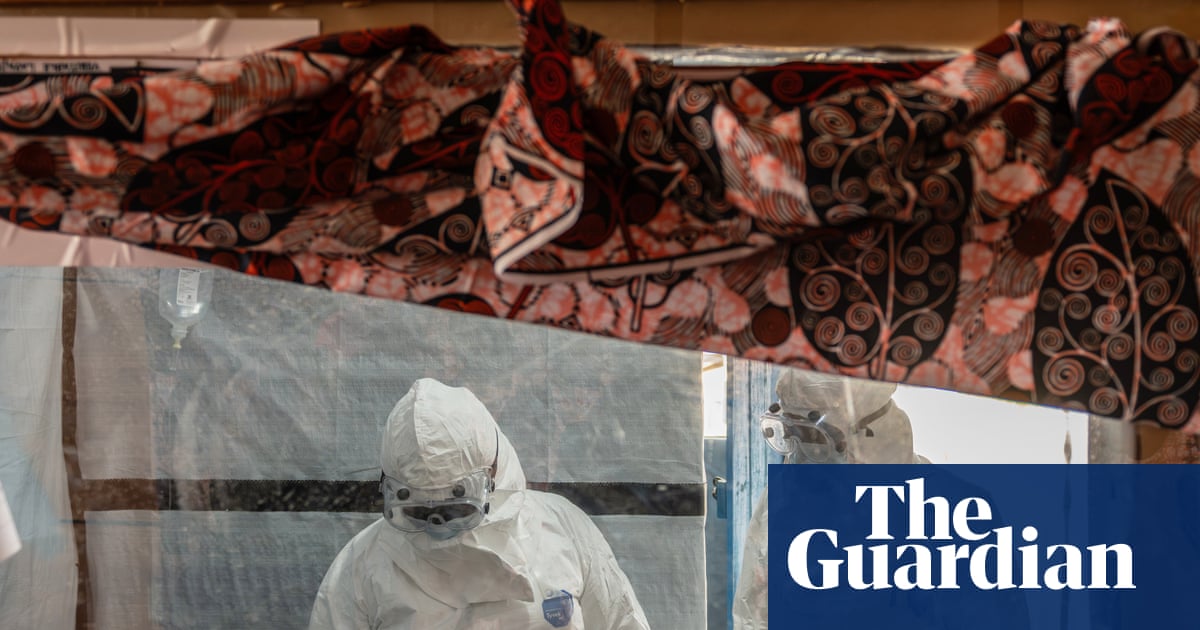
The first case of Ebola has been confirmed in France, the country’s health ministry has said, in a doctor who had returned from a humanitarian mission to an area affected by the outbreak in the Democratic Republic of the Congo.
The patient was transferred to a specialist facility and was in a stable condition, the ministry said in a statement. “All precautionary measures, including the patient’s isolation, were taken upon his arrival in the country, with transfer to the hospital under secure conditions to prevent any risk of contamination.”
Authorities are tracing the patient’s contacts, who will have to isolate at home for 21 days. The ministry said the risk to the general European public was very low.
The outbreak is centred on Ituri province in north-eastern DRC, where authorities are battling to contain the spread of the virus.
There had been 1,048 confirmed cases and 267 deaths as of 21 June, according to the DRC health ministry’s latest data, while 112 people have recovered. Neighbouring Uganda has recorded 20 cases and two deaths.
The World Health Organization declared the outbreak on 15 May, and two days later declared a public health emergency of international concern. Experts believe the virus was circulating in the DRC undetected for weeks before, however, and that the scale of the outbreak there is likely to be much larger than the confirmed cases suggest.
The humanitarian response has been complicated by aid cuts and conflict in North and South Kivu provinces, to the south of Ituri, where the Rwanda-backed M23 rebel group operates and Ebola cases have also been detected.
The outbreak had the largest number of confirmed cases within the first month of any Ebola outbreak, the WHO official Abdirahman Mahamud said on Tuesday.
Mahamud said local resistance to the response in DRC, which had included hospitals and treatment centres being burned down, was waning. “More and more communities are aware of the risk of Ebola and are asking for tools to support and protect themselves,” he said.
The current strain of the disease is the rare Bundibugyo virus, which has no vaccine or approved treatment.
Modelling by the US Centers for Disease Control and Prevention suggested the outbreak could be the biggest on record. The previous largest outbreak was in west Africa from 2014 to 2016, during which more than 28,000 people were infected and more than 11,000 died.
after newsletter promotion
It is the DRC’s 17th outbreak of Ebola, which was first detected in the central African country in 1976. Scientists believe it spreads to humans from infected African fruit bats, and is then passed between humans through direct contact with the blood or body fluids of an infected person or someone who has died of the disease.
Initial symptoms include fever, exhaustion, muscle pain, headaches and a sore throat. These may progress to vomiting, diarrhoea, abdominal pain, a rash, and impaired kidney and liver function.
A US citizen who was treated for Ebola in Germany recovered and was discharged earlier this month having tested negative for the virus after 30 May.
The US government wants to build an Ebola quarantine facility for its citizens in Kenya, which has never recorded any Ebola cases. The country’s health minister said on Tuesday that construction of the highly controversial facility would stop, however, after a high court order that authorities had initially disregarded.
Reuters contributed to this report
Read the full story at The Guardian ↗
France's health ministry has confirmed an Ebola case in a doctor who returned from a humanitarian mission to the Democratic Republic of Congo. The patient is in a specialist facility in stable condition and has been isolated. Authorities are tracing contacts, who will isolate for 21 days. The risk to the general European public is assessed as very low. The outbreak is centred in Ituri province in north-eastern DRC. As of 21 June, there were 1,048 confirmed cases and 267 deaths in DRC, with 20 cases and 2 deaths recorded in neighbouring Uganda. The current strain is Bundibugyo virus, which has no vaccine or approved treatment. The outbreak has recorded the largest number of confirmed cases within the first month of any Ebola outbreak. The humanitarian response has been complicated by conflict in nearby provinces and aid cuts. Scientists believe the virus spreads from African fruit bats to humans, then between humans through direct contact with blood or body fluids.
Read the full story at The Guardian ↗
The first case of Ebola has been confirmed in France, the country’s health ministry has said, in a doctor who had returned from a humanitarian mission to an area affected by the outbreak in the Democratic Republic of the Congo.
The patient was transferred to a specialist facility and was in a stable condition, the ministry said in a statement. “All precautionary measures, including the patient’s isolation, were taken upon his arrival in the country, with transfer to the hospital under secure conditions to prevent any risk of contamination.”
Authorities are tracing the patient’s contacts, who will have to isolate at home for 21 days. The ministry said the risk to the general European public was very low.
The outbreak is centred on Ituri province in north-eastern DRC, where authorities are battling to contain the spread of the virus.
There had been 1,048 confirmed cases and 267 deaths as of 21 June, according to the DRC health ministry’s latest data, while 112 people have recovered. Neighbouring Uganda has recorded 20 cases and two deaths.
The World Health Organization declared the outbreak on 15 May, and two days later declared a public health emergency of international concern. Experts believe the virus was circulating in the DRC undetected for weeks before, however, and that the scale of the outbreak there is likely to be much larger than the confirmed cases suggest.
The humanitarian response has been complicated by aid cuts and conflict in North and South Kivu provinces, to the south of Ituri, where the Rwanda-backed M23 rebel group operates and Ebola cases have also been detected.
The outbreak had the largest number of confirmed cases within the first month of any Ebola outbreak, the WHO official Abdirahman Mahamud said on Tuesday.
Mahamud said local resistance to the response in DRC, which had included hospitals and treatment centres being burned down, was waning. “More and more communities are aware of the risk of Ebola and are asking for tools to support and protect themselves,” he said.
The current strain of the disease is the rare Bundibugyo virus, which has no vaccine or approved treatment.
Modelling by the US Centers for Disease Control and Prevention suggested the outbreak could be the biggest on record. The previous largest outbreak was in west Africa from 2014 to 2016, during which more than 28,000 people were infected and more than 11,000 died.
after newsletter promotion
It is the DRC’s 17th outbreak of Ebola, which was first detected in the central African country in 1976. Scientists believe it spreads to humans from infected African fruit bats, and is then passed between humans through direct contact with the blood or body fluids of an infected person or someone who has died of the disease.
Initial symptoms include fever, exhaustion, muscle pain, headaches and a sore throat. These may progress to vomiting, diarrhoea, abdominal pain, a rash, and impaired kidney and liver function.
A US citizen who was treated for Ebola in Germany recovered and was discharged earlier this month having tested negative for the virus after 30 May.
The US government wants to build an Ebola quarantine facility for its citizens in Kenya, which has never recorded any Ebola cases. The country’s health minister said on Tuesday that construction of the highly controversial facility would stop, however, after a high court order that authorities had initially disregarded.
Reuters contributed to this report
Read the full story at The Guardian ↗
France has confirmed an Ebola case in a doctor who returned from humanitarian work in the Democratic Republic of Congo The patient was transferred to a specialist facility and is in stable condition All precautionary measures including isolation were implemented upon the patient's arrival Authorities are tracing contacts who will isolate at home for 21 days The risk to the general European public is very low The outbreak is centred on Ituri province in north-eastern DRC As of 21 June, the DRC had 1,048 confirmed cases and 267 deaths Uganda has recorded 20 cases and 2 deaths The current strain is Bundibugyo virus, which has no vaccine or approved treatment The outbreak recorded the largest number of confirmed cases within the first month of any Ebola outbreak Local resistance to the response, including hospital burnings, is waning according to WHO official Abdirahman Mahamud Conflict in North and South Kivu provinces and aid cuts have complicated the humanitarian response CDC modelling suggested the outbreak could be the biggest on record The virus likely circulated undetected in DRC for weeks and the scale is likely much larger than confirmed cases suggest Scientists believe the virus spreads to humans from infected African fruit bats then between humans through direct contact
Read the full story at The Guardian ↗
- France has confirmed its first Ebola case in a doctor who returned from humanitarian work in the Democratic Republic of Congo's Ituri province
- As of 21 June, the DRC outbreak had 1,048 confirmed cases and 267 deaths, with the Bundibugyo virus strain currently circulating
- The outbreak is the largest in its first month of any Ebola outbreak on record, with no approved vaccine or treatment available
- Contact tracing is underway in France, with authorities assessing the risk to the general European public as very low
- Conflict and aid cuts in affected DRC provinces are complicating the humanitarian response