Georgie Purcell facing antisemitic and misogynistic abuse due to having Jewish partner, commission hears
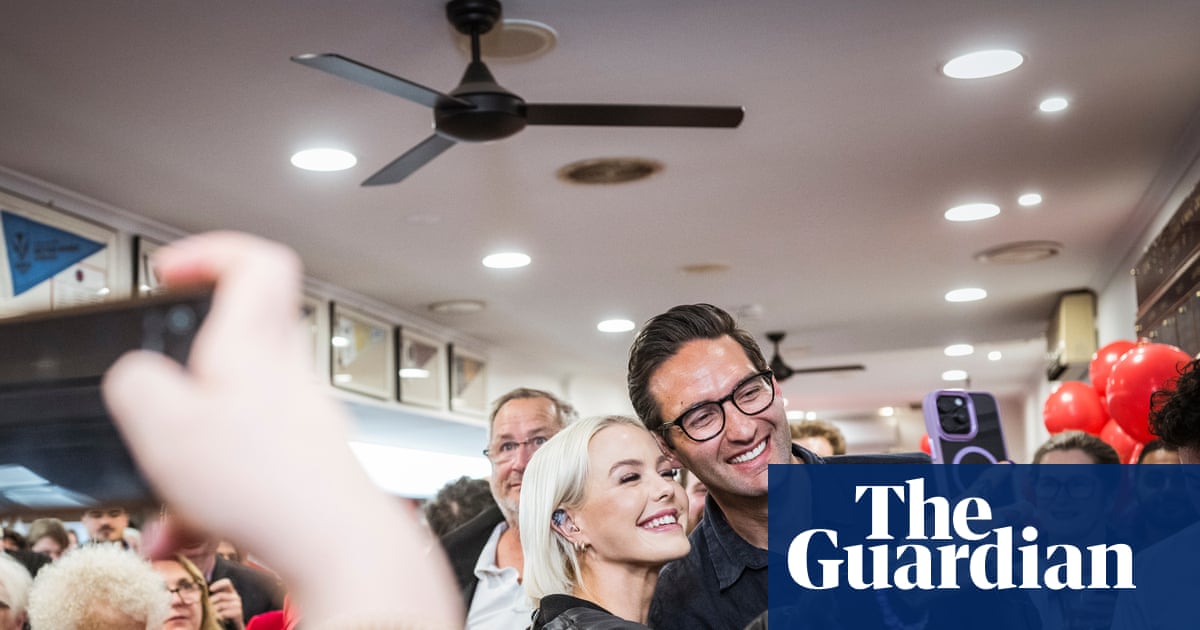
Vile, threatening abuse is being levelled at witnesses to the antisemitism royal commission, the inquiry has heard, while a Labor MP has said attacks on his partner were heightened because they were stacked with misogyny.
Meanwhile, data analysis has shown how quickly factual reports are transformed into conspiracy theories online, and that while there was a spike in antisemitism after the Bondi terror attack, there was a “huge spike” in anti-Muslim hate.
The royal commission into antisemitism and social cohesion is hearing evidence of “the dissemination of antisemitic content and other forms of hateful speech in the online environment, as well as antisemitism in traditional media and broadcasting”.
On Tuesday, Labor MP Josh Burns told the inquiry while he and his office receive thousands of abusive messages, his partner, Victorian Animal Justice MP Georgie Purcell, is attacked because of her association with him. He is Jewish, she is not.
He gave the commission examples of abuse directed at him, which included being called a “genocidal Zionist” and the suggestion an attack on his office was an inside job.
Comments sent to Purcell included comments about her relationship with him, such as: “You root a Zionist. You can’t be trusted.”
“The language in the examples reveals how antisemitic abuse directed at Georgie is compounded by misogynistic, often violence and sexualised commentary – directed at her because she is a woman,” Burns wrote in his submission.
Purcell also collated abusive comments sent after she gave birth to their daughter including: “Shut the fuck up. You got knocked up by a Zionist, you Nazi cunt.”
He told the inquiry about the impact of antisemitism on his staff after his office was vandalised, and said there had been more than 1,000 phone calls and 10,000 abusive social media messages.
He said “probably one of the hardest things” was to have someone you love get abused”.
Burns said the Online Safety Act and the social media platforms needed better ways to deal with the attacks.
“Instagram knows when I was looking for a new high chair for my six-month-old. They can do a better job of … making it a bit safer online,” he said.
Tahli Blicblau, chief executive officer of the Dor Foundation, established to combat antisemitism and hate, told the inquiry that those who came to the commission to give evidence about their experiences of antisemitism were “subjected to more of it”.
“They were targeted and abused online, at volume and across social media platforms,” she said.
“And that was true both for witnesses who held positions within the Jewish community and also witnesses who chose to give evidence under a pseudonym.”
She gave 275 examples of such posts, saying they were just some of “many, many hundreds more” that included explicit calls for violence and murder, dehumanising language, degrading abuse, admiration for Hitler, Holocaust glorification, and conspiracy theories about witnesses being crisis actors.
Research presented to the commission found before the 7 October Hamas attack on Israel there was a “very low baseline rate of hateful content targeting Jews” on X (formerly Twitter). But after that attack, there was an increase, and the level has stayed elevated.
Both anti-Jewish and anti-Muslim hate spikes after major events, and stays elevated, the research found.
After the Bondi attack, there was a “small spike in the anti-Jewish hate”, associate professor Dr Matteo Vergani, from Deakin University’s Tackling Hate Lab, told the inquiry.
“But it represented a huge spike in volume of anti-Muslim hate.”
Vergani’s team also found that real incidents reported in the media then get circulated on social media. “So online hate is triggered by offline incidents,” he said.
He said the lab’s work with large sets of data tracking trends showed there should be a cost-effective way to track, intervene or prevent hate without “censorship and other hard and draconian interventions”.
Read the full story at The Guardian ↗
Australia's Royal Commission into antisemitism and social cohesion received testimony about coordinated harassment campaigns against witnesses providing evidence to the inquiry. MP Josh Burns and his partner Georgie Purcell documented abusive messages across social media and phone calls. Analysis of the abuse directed at Purcell showed it combined antisemitic attacks on Burns with misogynistic and violent language targeting her as a woman. Research from Deakin University's Tackling Hate Lab, presented to the commission, found that hateful content targeting Jewish people increased after October 7 and remained elevated. The same research found anti-Muslim hate spiked even more sharply after the Bondi attack. The inquiry also heard that factual incidents reported in traditional media become the basis for conspiracy theories circulated online, and that witnesses giving evidence to the commission experienced coordinated online targeting.
Read the full story at The Guardian ↗
Vile, threatening abuse is being levelled at witnesses to the antisemitism royal commission, the inquiry has heard, while a Labor MP has said attacks on his partner were heightened because they were stacked with misogyny.
Meanwhile, data analysis has shown how quickly factual reports are transformed into conspiracy theories online, and that while there was a spike in antisemitism after the Bondi terror attack, there was a “huge spike” in anti-Muslim hate.
The royal commission into antisemitism and social cohesion is hearing evidence of “the dissemination of antisemitic content and other forms of hateful speech in the online environment, as well as antisemitism in traditional media and broadcasting”.
On Tuesday, Labor MP Josh Burns told the inquiry while he and his office receive thousands of abusive messages, his partner, Victorian Animal Justice MP Georgie Purcell, is attacked because of her association with him. He is Jewish, she is not.
He gave the commission examples of abuse directed at him, which included being called a “genocidal Zionist” and the suggestion an attack on his office was an inside job.
Comments sent to Purcell included comments about her relationship with him, such as: “You root a Zionist. You can’t be trusted.”
“The language in the examples reveals how antisemitic abuse directed at Georgie is compounded by misogynistic, often violence and sexualised commentary – directed at her because she is a woman,” Burns wrote in his submission.
Purcell also collated abusive comments sent after she gave birth to their daughter including: “Shut the fuck up. You got knocked up by a Zionist, you Nazi cunt.”
He told the inquiry about the impact of antisemitism on his staff after his office was vandalised, and said there had been more than 1,000 phone calls and 10,000 abusive social media messages.
He said “probably one of the hardest things” was to have someone you love get abused”.
Burns said the Online Safety Act and the social media platforms needed better ways to deal with the attacks.
“Instagram knows when I was looking for a new high chair for my six-month-old. They can do a better job of … making it a bit safer online,” he said.
Tahli Blicblau, chief executive officer of the Dor Foundation, established to combat antisemitism and hate, told the inquiry that those who came to the commission to give evidence about their experiences of antisemitism were “subjected to more of it”.
“They were targeted and abused online, at volume and across social media platforms,” she said.
“And that was true both for witnesses who held positions within the Jewish community and also witnesses who chose to give evidence under a pseudonym.”
She gave 275 examples of such posts, saying they were just some of “many, many hundreds more” that included explicit calls for violence and murder, dehumanising language, degrading abuse, admiration for Hitler, Holocaust glorification, and conspiracy theories about witnesses being crisis actors.
Research presented to the commission found before the 7 October Hamas attack on Israel there was a “very low baseline rate of hateful content targeting Jews” on X (formerly Twitter). But after that attack, there was an increase, and the level has stayed elevated.
Both anti-Jewish and anti-Muslim hate spikes after major events, and stays elevated, the research found.
After the Bondi attack, there was a “small spike in the anti-Jewish hate”, associate professor Dr Matteo Vergani, from Deakin University’s Tackling Hate Lab, told the inquiry.
“But it represented a huge spike in volume of anti-Muslim hate.”
Vergani’s team also found that real incidents reported in the media then get circulated on social media. “So online hate is triggered by offline incidents,” he said.
He said the lab’s work with large sets of data tracking trends showed there should be a cost-effective way to track, intervene or prevent hate without “censorship and other hard and draconian interventions”.
Read the full story at The Guardian ↗
Josh Burns is a Jewish Labor MP; Georgie Purcell is a Victorian Animal Justice MP and his partner Burns and his office received thousands of abusive messages including accusations of being a 'genocidal Zionist' Purcell received abusive comments about her relationship with Burns, including sexualized and violent language Burns' office was vandalized and he received over 1,000 phone calls and 10,000 abusive social media messages The Dor Foundation documented 275 examples of abusive posts targeting witnesses to the commission, including calls for violence, dehumanizing language, and Holocaust glorification Before October 7, there was a 'very low baseline rate' of hateful content targeting Jews on X; after the attack, levels increased and remained elevated After the Bondi terror attack, there was a small spike in anti-Jewish hate but a 'huge spike' in anti-Muslim hate according to Deakin University research Research showed real incidents reported in traditional media are circulated as conspiracy theories on social media The impact on witnesses demonstrates 'one of the hardest things' is having loved ones targeted because of association with someone facing hate speech Social media platforms and the Online Safety Act need better mechanisms to prevent harassment
Read the full story at The Guardian ↗
- A Royal Commission into antisemitism heard evidence that witnesses reporting hateful speech face intensified abuse online, including explicit calls for violence and harassment campaigns
- Labor MP Josh Burns and his partner Georgie Purcell documented thousands of abusive messages, with Purcell's abuse compounded by misogynistic and sexualized language tied to her relationship with Burns, who is Jewish
- Research presented to the inquiry found antisemitic and anti-Muslim hate content spikes after major incidents and remains elevated; data analysis showed real incidents circulate as conspiracy theories on social media