‘Hanging on by a thread’: 11th hour decision to protect endangered birds from SA space project plans welcomed
Conservation groups have welcomed an 11th-hour decision to protect “precious and important habitat” on South Australia’s Eyre peninsula from plans for a rocket launching facility.
The Whalers Way “orbital launch complex”, which could see as many as 42 rockets a year take off from conservation land, had already been approved under federal and state planning and environment laws.
But a recent decision by the state’s independent Native Vegetation Council could scuttle the space project, located about about 32km from Port Lincoln.
The 23-hectare site is protected under a long-standing heritage agreement, a type of covenant on private land designed to protect native wildlife and habitat in perpetuity.
The developer, commercial aerospace company Southern Launch, had sought to amend the agreement – to enable its project to proceed – but this was rejected by the council earlier this month.
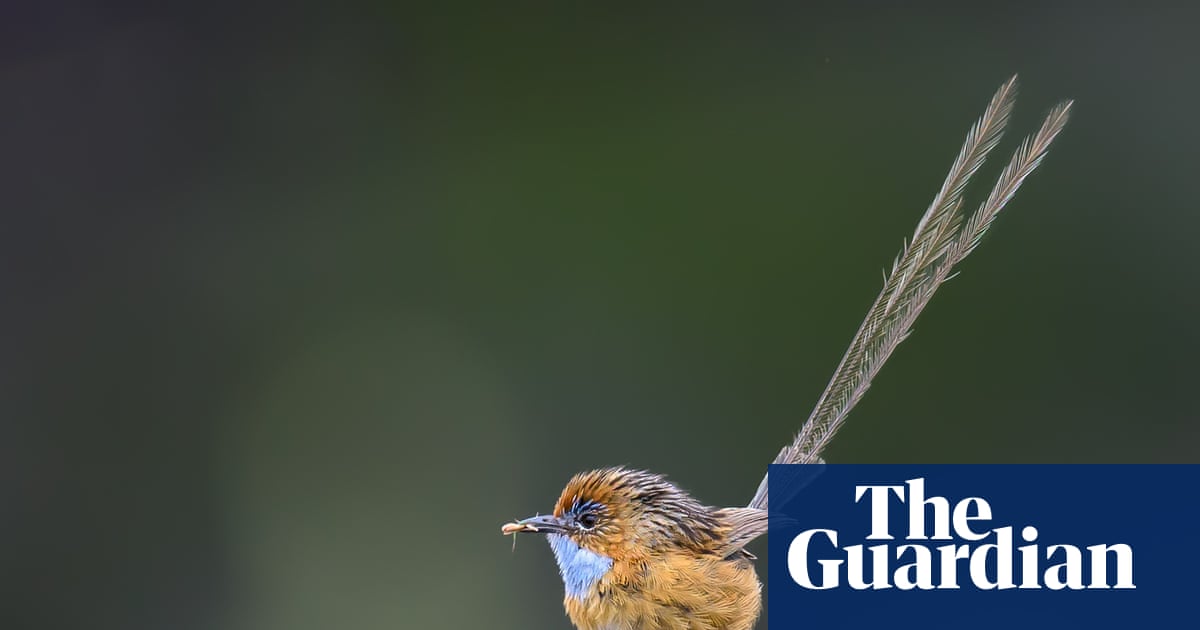
The chief executive of BirdLife Australia, Kate Millar, welcomed the council’s decision to protect “one of the most precious and important habitats in the state”, which was a stronghold for one of Australia’s tiniest birds, the endangered Eyre Peninsula southern emu-wren, and home to 80% of the endangered mallee whipbird population.
Since the development was proposed about eight years ago, conservation and community groups have fervently opposed the location, which Millar described as the “worst possible place” for a rocket launching facility.
“These birds are hanging on by a thread,” she said. “What we should be doing as government and community and business, is seeking to improve and restore [their habitat], and give them every chance of avoiding extinction.”
She said the decision under the state’s Native Vegetation Act would have been a “tough call” for the council. “I think they understand what’s at stake here.”
South Australia’s natural environment had been under sustained pressure, with the harmful algal bloom, the arrival of H5 bird flu and now the threat of a “horrendous bushfire season”, Millar said.
The “wrong development, in the wrong site” would have been “one more nail in the coffin for these species that are found nowhere else on the planet.”
The chief executive of the Conservation Council of SA, Kirsty Bevan, called on the state government and the developer to back the council’s decision and seek alternative sites.
after newsletter promotion
“We commend the Native Vegetation Council for the expertise and diligence they brought to this assessment, and for upholding the integrity of the Heritage Agreement process and framework that protects places like Whalers Way,” she said.
A state government spokesperson said Southern Launch had been told that its application to vary the heritage agreement had been rejected.
It could alter the application and send the matter back to the Native Vegetation Council for reconsideration, however.
According to the company’s website, the site was selected based on its “favourable launch conditions”, including its coastal location, stable weather and low ship and air traffic.
A spokesperson for the Australian Space Agency said there were several launch facilities in operation around the country, including the Bowen Orbital Spaceport in Queensland and the Koonibba Test Range in South Australia, and several others in development.
“Australia’s unique geographic advantages make it an attractive destination for space launch and return activities, with vast open areas, access to a broad range of targeted orbits, and a stable political and regulatory environment”, the spokesperson said.
Guardian Australia contacted the developer Southern Launch for comment but did not receive a response.
Read the full story at The Guardian ↗
The Eyre peninsula site is ‘precious and important’ habitats for southern emu-wren and home to 80% of the mallee whipbird population. Get our breaking news email , free app or…
This lens runs the verified story through Cinnamon's AI — wired in the next step.
Conservation groups have welcomed an 11th-hour decision to protect “precious and important habitat” on South Australia’s Eyre peninsula from plans for a rocket launching facility.
The Whalers Way “orbital launch complex”, which could see as many as 42 rockets a year take off from conservation land, had already been approved under federal and state planning and environment laws.
But a recent decision by the state’s independent Native Vegetation Council could scuttle the space project, located about about 32km from Port Lincoln.
The 23-hectare site is protected under a long-standing heritage agreement, a type of covenant on private land designed to protect native wildlife and habitat in perpetuity.
The developer, commercial aerospace company Southern Launch, had sought to amend the agreement – to enable its project to proceed – but this was rejected by the council earlier this month.
The chief executive of BirdLife Australia, Kate Millar, welcomed the council’s decision to protect “one of the most precious and important habitats in the state”, which was a stronghold for one of Australia’s tiniest birds, the endangered Eyre Peninsula southern emu-wren, and home to 80% of the endangered mallee whipbird population.
Since the development was proposed about eight years ago, conservation and community groups have fervently opposed the location, which Millar described as the “worst possible place” for a rocket launching facility.
“These birds are hanging on by a thread,” she said. “What we should be doing as government and community and business, is seeking to improve and restore [their habitat], and give them every chance of avoiding extinction.”
She said the decision under the state’s Native Vegetation Act would have been a “tough call” for the council. “I think they understand what’s at stake here.”
South Australia’s natural environment had been under sustained pressure, with the harmful algal bloom, the arrival of H5 bird flu and now the threat of a “horrendous bushfire season”, Millar said.
The “wrong development, in the wrong site” would have been “one more nail in the coffin for these species that are found nowhere else on the planet.”
The chief executive of the Conservation Council of SA, Kirsty Bevan, called on the state government and the developer to back the council’s decision and seek alternative sites.
after newsletter promotion
“We commend the Native Vegetation Council for the expertise and diligence they brought to this assessment, and for upholding the integrity of the Heritage Agreement process and framework that protects places like Whalers Way,” she said.
A state government spokesperson said Southern Launch had been told that its application to vary the heritage agreement had been rejected.
It could alter the application and send the matter back to the Native Vegetation Council for reconsideration, however.
According to the company’s website, the site was selected based on its “favourable launch conditions”, including its coastal location, stable weather and low ship and air traffic.
A spokesperson for the Australian Space Agency said there were several launch facilities in operation around the country, including the Bowen Orbital Spaceport in Queensland and the Koonibba Test Range in South Australia, and several others in development.
“Australia’s unique geographic advantages make it an attractive destination for space launch and return activities, with vast open areas, access to a broad range of targeted orbits, and a stable political and regulatory environment”, the spokesperson said.
Guardian Australia contacted the developer Southern Launch for comment but did not receive a response.
Read the full story at The Guardian ↗
Conservation groups have welcomed an 11th-hour decision to protect “precious and important habitat” on South Australia’s Eyre peninsula from plans for a rocket launching facility.
The Whalers Way “orbital launch complex”, which could see as many as 42 rockets a year take off from conservation land, had already been approved under federal and state planning and environment laws.
But a recent decision by the state’s independent Native Vegetation Council could scuttle the space project, located about about 32km from Port Lincoln.
The 23-hectare site is protected under a long-standing heritage agreement, a type of covenant on private land designed to protect native wildlife and habitat in perpetuity.
The developer, commercial aerospace company Southern Launch, had sought to amend the agreement – to enable its project to proceed – but this was rejected by the council earlier this month.
The chief executive of BirdLife Australia, Kate Millar, welcomed the council’s decision to protect “one of the most precious and important habitats in the state”, which was a stronghold for one of Australia’s tiniest birds, the endangered Eyre Peninsula southern emu-wren, and home to 80% of the endangered mallee whipbird population.
Since the development was proposed about eight years ago, conservation and community groups have fervently opposed the location, which Millar described as the “worst possible place” for a rocket launching facility.
“These birds are hanging on by a thread,” she said. “What we should be doing as government and community and business, is seeking to improve and restore [their habitat], and give them every chance of avoiding extinction.”
She said the decision under the state’s Native Vegetation Act would have been a “tough call” for the council. “I think they understand what’s at stake here.”
South Australia’s natural environment had been under sustained pressure, with the harmful algal bloom, the arrival of H5 bird flu and now the threat of a “horrendous bushfire season”, Millar said.
The “wrong development, in the wrong site” would have been “one more nail in the coffin for these species that are found nowhere else on the planet.”
The chief executive of the Conservation Council of SA, Kirsty Bevan, called on the state government and the developer to back the council’s decision and seek alternative sites.
after newsletter promotion
“We commend the Native Vegetation Council for the expertise and diligence they brought to this assessment, and for upholding the integrity of the Heritage Agreement process and framework that protects places like Whalers Way,” she said.
A state government spokesperson said Southern Launch had been told that its application to vary the heritage agreement had been rejected.
It could alter the application and send the matter back to the Native Vegetation Council for reconsideration, however.
According to the company’s website, the site was selected based on its “favourable launch conditions”, including its coastal location, stable weather and low ship and air traffic.
A spokesperson for the Australian Space Agency said there were several launch facilities in operation around the country, including the Bowen Orbital Spaceport in Queensland and the Koonibba Test Range in South Australia, and several others in development.
“Australia’s unique geographic advantages make it an attractive destination for space launch and return activities, with vast open areas, access to a broad range of targeted orbits, and a stable political and regulatory environment”, the spokesperson said.
Guardian Australia contacted the developer Southern Launch for comment but did not receive a response.
Read the full story at The Guardian ↗
This lens runs the verified story through Cinnamon's AI — wired in the next step.
- The Eyre peninsula site is ‘precious and important’ habitats for southern emu-wren and home to 80% of the mallee whipbird population.
- Get our breaking news email , free app or…