‘He isn’t political’: the Ukrainian-born oligarch targeted by a Monaco bomber
 ✓
✓Nobody paid much attention to the man with the backpack, as he approached the entrance to a beige-coloured Monaco apartment building. It was 9pm, Monday evening. The street – rue Révérend-Père-Louis-Frolla – is located in a quiet hillside part of the wealthy principality, close to the border with France.
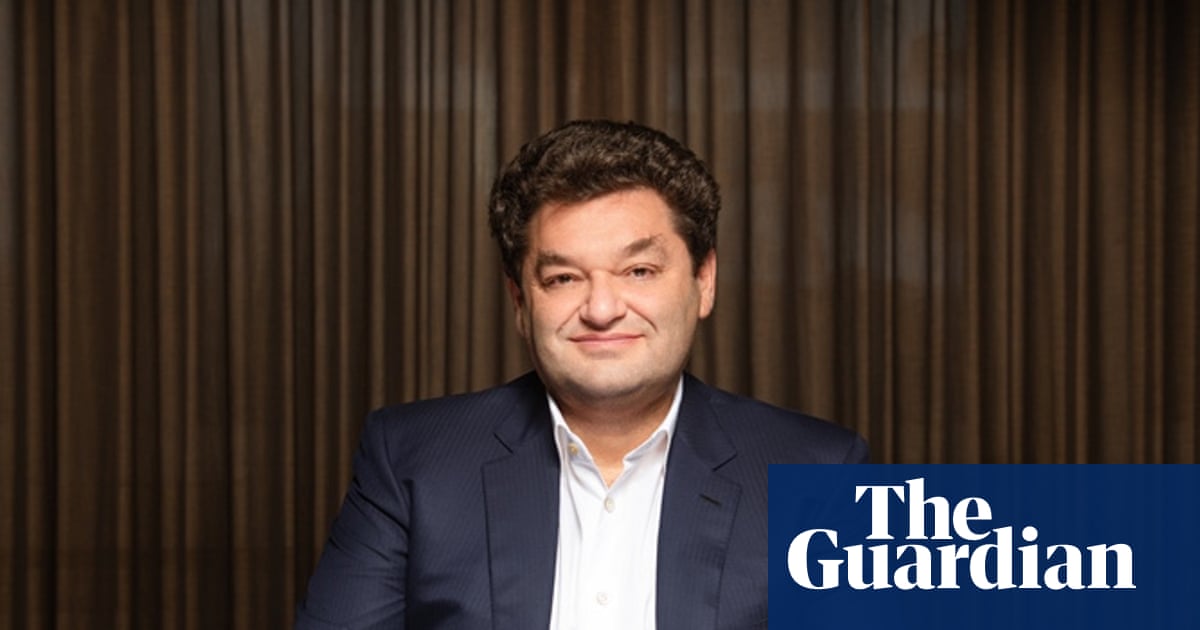
The man left his bag on the front steps. Soon afterwards, the Ukrainian-born oligarch Vadym Iermolaiev emerged, together with his wife and their 13-year-old child. There was an explosion and CCTV captured an image of the suspect, wearing a black jacket and a bucket hat, running from the scene towards the neighbouring French town of Beausoleil.
All three victims were injured and taken to hospital. According to reports, the oligarch’s wife was critically hurt. As European police searched for the bomber, the unanswered question was why someone wanted to kill Iermolaiev, one of Ukraine’s richest businessmen, with a fortune estimated at $225m (£170m).
Iermolaiev is a real estate developer who was born and raised in the Ukrainian city of Dnipro. His company, the Alef Group, also has interests in agriculture and vodka production. In 2018 the oligarch gave up his Ukrainian passport and acquired EU citizenship from Cyprus. As well as Monaco, he is a frequent visitor to London and Paris.
In 2022, the newspaper Ukrainskaya Pravda identified the oligarch as a member of the “Monaco battalion”, an ironic reference to wealthy Ukrainians who live in comfort abroad while their fellow citizens experience daily Russian drone and missile attacks. Iermolaiev enjoyed the high life and drove a £250,000 Bentley Flying Spur, it noted.
The following year, Ukraine imposed personal sanctions on Iermolaiev after an investigation by the country’s SBU security agency. It said the 58-year-old oligarch continued to trade alcohol in occupied Crimea and paid millions of dollars in taxes to the Russian treasury. His assets were frozen and he was prohibited from doing business.
In an interview with Ukrainian media, Iermolaiev strongly denied the allegations, calling them “completely surreal”. He claimed Russia seized his grape growing and cognac enterprise in Crimea when it annexed the peninsula in 2014. “We lost everything,” he said, adding that he had hired a team of lawyers to get the sanctions against him lifted.
The oligarch condemned Russia’s invasion and said a missile strike on Dnipro airport had destroyed his private plane. Chechen militants stole his agricultural machinery, he added. “I despise our enemies and believe that they will bear responsibility for the grief they brought to Ukrainian land and to my hometown,” he told RBK Media, saying he gave money to Ukraine’s armed forces.
Several sources on Tuesday dismissed the idea the audacious attack in Monaco could have been carried out by Ukraine’s special services. “He’s an opportunist, not an open enemy,” one remarked. Another described him as someone with “no ideology” and “zero political views” who could not “by definition be a Russian asset”.
“He isn’t a political person,” somebody who knew him socially said. “He’s a businessman. Vadym is nicer than 95% of people on that level … He’s always smiling and pleasant to be around, a typical Dnipro Jew. He likes life, tells endless jokes and speaks in a rather stumbling manner.”
A more plausible explanation for Monday evening’s bomb attack might be claims that the oligarch was connected to an alleged call centre scam, the sources said. They added: “It looks like something very, very personal. There are security cameras on every street corner in Monaco. That’s why rich people feel safe there. The hit doesn’t seem to be the work of a top professional.”
Late last year, Iermolaiev’s son, Artur, was detained in Cyprus at the request of Interpol and subsequently extradited to Estonia. There, he was accused of creating a criminal organisation engaged in telephone fraud. According to Estonian investigators, Iermolaiev Jr, along with three other defendants, created fraudulent call centres in Ukraine that “offered fictitious investment opportunities”.
after newsletter promotion
As a result, between 2019 and 2022, the defendants received over €100m, €5.4m of which came from Estonian residents. Iermolaiev Jr entered into a plea bargain, received a suspended sentence, paid €8.5m and left Estonia shortly afterwards, the media outlet Meduza reported. He is now banned from entering Estonia.
Chechen criminals are known to be behind many call centre scams, which have led to thousands of Russian pensioners being defrauded of their savings. In March suspected Chechen gangsters kidnapped the sons of two prominent businessmen from Dnipro, while they were on holiday in Bali. The body of one of them, 28-year-old Igor Komarov, was found chopped up on a beach.
According to Ukrainian media, Komarov admitted his role in the fraudulent call centre business. Before killing him, his captors demanded a $10m ransom. His friend managed to escape. Ukraine’s main police investigation unit opened a case into Komarov’s murder and kidnapping, together with their Indonesian counterparts.
A Chechen connection to the Monaco bombing is so far unproven. Sources who know the low-profile oligarch say he is someone who typically tries to avoid conflict, especially with government, and prefers to settle disputes by making backroom deals. In 2024 he transferred some of his assets to his 21-year-old daughter Sofia, who lives in London and Cyprus, according to the Ukrainian media outlet Hromadske.
Whoever the perpetrator, other members of the “Monaco battalion” are likely to be decidedly more nervous in future. “Everyone is in shock,” one regular Ukrainian visitor to the principality admitted. They added: “Vadim is a very nice man. The TV screens and cameras didn’t protect him.”
Read the full story at The Guardian ↗ · The Guardian ↗ · BBC ↗
An explosive device injured three people—a Ukrainian-born oligarch, his wife, and their child—outside an apartment building in Monaco. The oligarch, Vadym Iermolaiev, is a developer and businessman whose estimated wealth is $225 million. He renounced Ukrainian citizenship in 2018 but was sanctioned by Ukraine in 2023 over alleged business dealings in occupied territory, accusations he contests. His son faced criminal charges in Estonia related to fraudulent telemarketing operations. Multiple sources have suggested the attack may stem from criminal activity or personal disputes rather than state-level conflict. The perpetrator remains at large. Monaco's status as a wealthy enclave where prominent Ukrainians reside has drawn renewed attention to security concerns in the principality.
Read the full story at The Guardian ↗ · The Guardian ↗ · BBC ↗
Nobody paid much attention to the man with the backpack, as he approached the entrance to a beige-coloured Monaco apartment building. It was 9pm, Monday evening. The street – rue Révérend-Père-Louis-Frolla – is located in a quiet hillside part of the wealthy principality, close to the border with France.
The man left his bag on the front steps. Soon afterwards, the Ukrainian-born oligarch Vadym Iermolaiev emerged, together with his wife and their 13-year-old child. There was an explosion and CCTV captured an image of the suspect, wearing a black jacket and a bucket hat, running from the scene towards the neighbouring French town of Beausoleil.
All three victims were injured and taken to hospital. According to reports, the oligarch’s wife was critically hurt. As European police searched for the bomber, the unanswered question was why someone wanted to kill Iermolaiev, one of Ukraine’s richest businessmen, with a fortune estimated at $225m (£170m).
Iermolaiev is a real estate developer who was born and raised in the Ukrainian city of Dnipro. His company, the Alef Group, also has interests in agriculture and vodka production. In 2018 the oligarch gave up his Ukrainian passport and acquired EU citizenship from Cyprus. As well as Monaco, he is a frequent visitor to London and Paris.
In 2022, the newspaper Ukrainskaya Pravda identified the oligarch as a member of the “Monaco battalion”, an ironic reference to wealthy Ukrainians who live in comfort abroad while their fellow citizens experience daily Russian drone and missile attacks. Iermolaiev enjoyed the high life and drove a £250,000 Bentley Flying Spur, it noted.
The following year, Ukraine imposed personal sanctions on Iermolaiev after an investigation by the country’s SBU security agency. It said the 58-year-old oligarch continued to trade alcohol in occupied Crimea and paid millions of dollars in taxes to the Russian treasury. His assets were frozen and he was prohibited from doing business.
In an interview with Ukrainian media, Iermolaiev strongly denied the allegations, calling them “completely surreal”. He claimed Russia seized his grape growing and cognac enterprise in Crimea when it annexed the peninsula in 2014. “We lost everything,” he said, adding that he had hired a team of lawyers to get the sanctions against him lifted.
The oligarch condemned Russia’s invasion and said a missile strike on Dnipro airport had destroyed his private plane. Chechen militants stole his agricultural machinery, he added. “I despise our enemies and believe that they will bear responsibility for the grief they brought to Ukrainian land and to my hometown,” he told RBK Media, saying he gave money to Ukraine’s armed forces.
Several sources on Tuesday dismissed the idea the audacious attack in Monaco could have been carried out by Ukraine’s special services. “He’s an opportunist, not an open enemy,” one remarked. Another described him as someone with “no ideology” and “zero political views” who could not “by definition be a Russian asset”.
“He isn’t a political person,” somebody who knew him socially said. “He’s a businessman. Vadym is nicer than 95% of people on that level … He’s always smiling and pleasant to be around, a typical Dnipro Jew. He likes life, tells endless jokes and speaks in a rather stumbling manner.”
A more plausible explanation for Monday evening’s bomb attack might be claims that the oligarch was connected to an alleged call centre scam, the sources said. They added: “It looks like something very, very personal. There are security cameras on every street corner in Monaco. That’s why rich people feel safe there. The hit doesn’t seem to be the work of a top professional.”
Late last year, Iermolaiev’s son, Artur, was detained in Cyprus at the request of Interpol and subsequently extradited to Estonia. There, he was accused of creating a criminal organisation engaged in telephone fraud. According to Estonian investigators, Iermolaiev Jr, along with three other defendants, created fraudulent call centres in Ukraine that “offered fictitious investment opportunities”.
after newsletter promotion
As a result, between 2019 and 2022, the defendants received over €100m, €5.4m of which came from Estonian residents. Iermolaiev Jr entered into a plea bargain, received a suspended sentence, paid €8.5m and left Estonia shortly afterwards, the media outlet Meduza reported. He is now banned from entering Estonia.
Chechen criminals are known to be behind many call centre scams, which have led to thousands of Russian pensioners being defrauded of their savings. In March suspected Chechen gangsters kidnapped the sons of two prominent businessmen from Dnipro, while they were on holiday in Bali. The body of one of them, 28-year-old Igor Komarov, was found chopped up on a beach.
According to Ukrainian media, Komarov admitted his role in the fraudulent call centre business. Before killing him, his captors demanded a $10m ransom. His friend managed to escape. Ukraine’s main police investigation unit opened a case into Komarov’s murder and kidnapping, together with their Indonesian counterparts.
A Chechen connection to the Monaco bombing is so far unproven. Sources who know the low-profile oligarch say he is someone who typically tries to avoid conflict, especially with government, and prefers to settle disputes by making backroom deals. In 2024 he transferred some of his assets to his 21-year-old daughter Sofia, who lives in London and Cyprus, according to the Ukrainian media outlet Hromadske.
Whoever the perpetrator, other members of the “Monaco battalion” are likely to be decidedly more nervous in future. “Everyone is in shock,” one regular Ukrainian visitor to the principality admitted. They added: “Vadim is a very nice man. The TV screens and cameras didn’t protect him.”
Read the full story at The Guardian ↗ · The Guardian ↗ · BBC ↗
A man left a backpack at the entrance to a Monaco apartment building on Monday at 9pm on rue Révérend-Père-Louis-Frolla An explosion occurred when Ukrainian oligarch Vadym Iermolaiev, his wife, and their 13-year-old child emerged; all three were injured CCTV captured an image of the suspect wearing a black jacket and bucket hat running toward the French town of Beausoleil Iermolaiev is a real estate developer born in Dnipro with an estimated fortune of $225 million In 2018 he gave up his Ukrainian passport and acquired EU citizenship from Cyprus In 2022 Ukrainian media labeled wealthy Ukrainians living abroad as the 'Monaco battalion' Ukraine's SBU security agency investigated Iermolaiev in 2023 and alleged he continued trading alcohol in occupied Crimea and paid taxes to Russia Ukraine imposed personal sanctions on him, freezing his assets and prohibiting business activity Iermolaiev denied the allegations, claiming Russia seized his Crimean enterprises in 2014 He stated he donated to Ukraine's armed forces and condemned Russia's invasion Multiple sources dismissed the likelihood that Ukrainian special services carried out the attack Sources described the attack as potentially connected to alleged call centre fraud operations Iermolaiev's son Artur was detained in Cyprus at Interpol's request and extradited to Estonia In Estonia, Artur Iermolaiev was accused of creating fraudulent call centres offering fictitious investment opportunities Between 2019 and 2022, the alleged scheme obtained over €100 million, with €5.4 million from Estonian residents Artur Iermolaiev entered a plea bargain, received a suspended sentence, and paid €8.5 million Chechen criminals are known to operate call centre scams targeting Russian pensioners In March, suspected Chechen gangsters kidnapped sons of two Dnipro businessmen in Bali; one body was found The Bali victim, Igor Komarov, was linked to fraudulent call centre activity A Chechen connection to the Monaco bombing is unproven Sources characterize Iermolaiev as someone who prefers to avoid conflict and settle disputes through backroom deals In 2024 Iermolaiev transferred some assets to his 21-year-old daughter Sofia
Read the full story at The Guardian ↗ · The Guardian ↗ · BBC ↗
- A bomb injured Ukrainian oligarch Vadym Iermolaiev, his wife (critically), and their 13-year-old child outside a Monaco apartment building on Monday evening
- Iermolaiev is a real estate developer worth ~$225m who gave up his Ukrainian passport in 2018; Ukraine sanctioned him in 2023 for alleged continued trade in occupied Crimea, which he denies
- His son was extradited to Estonia and convicted of operating fraudulent call centres; sources suggest the bombing may relate to criminal networks rather than state actors
- The suspect fled toward France; the attack's motive remains unclear amid speculation ranging from Ukrainian security services to Chechen criminal involvement to call centre fraud disputes