How to cope in a heatwave - according to you
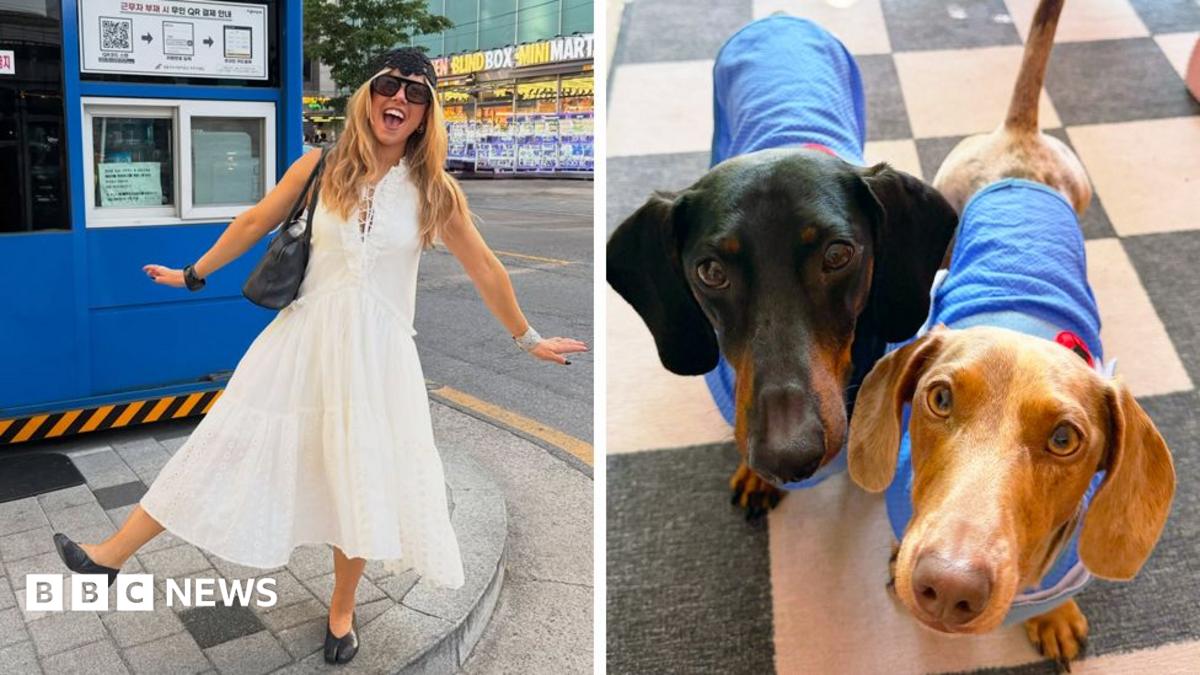
Image source, Annie Smith/Jess Jepson
As the UK swelters through some of its hottest June nights on record, people have been looking for more creative ways to stay cool.
While some told BBC News they are happy to stick with tried-and-tested methods such as keeping blackout curtains shut all day, others are turning to slightly more unorthodox methods to get a small reprieve from the stifling heat.
So, here are your DIY hacks to coping in a heatwave.
Bethan Earley, from Rugby, tries to keep her home cool by putting foil blankets on the outside of her windows before closing them. "The house does still get warm," she told BBC Your Voice, "but it takes much longer to warm up."
John Turbefield, 38, from Chichester, says he has placed white bed sheets on the outside of the windows in some of the hottest rooms in his house. Over the weekend he bought a pack of survival blankets - often used to help athletes regulate their body temperature - and placed them on the remaining windows.
"They're designed to reflect heat and they are large, so they're ideal for taping to the window frame to reflect most of the light back out," he says.
John says he has also stocked his freezer with two-litre plastic bottles of water, which he places in front of and behind the five fans he has set up around his house. However, he says anyone who wants to copy him will need patience: large bottles may take a couple of days to freeze, he adds.
Image source, John Turbefield
John says he's stocked his freezer with two-litre plastic bottles of water, which he places near the five fans he has around his house
The UK Health Security Agency advises people to only open their windows when the air feels cooler outside than inside - and to turn off non-essential electronics that can generate heat, such as TVs, laptops and chargers.
Stephanie Reed, 39, from Chorley, says it's important for her to stay cool because extreme heat triggers her epilepsy.
At night, she now wets a hand towel and lays it across the end of her bed. She then sleeps with her feet and ankles on it. "It helps to regulate body temperature and it does stay cool all night," she says.
Image source, Stephanie Reed
Stephanie Reed, 39, says extreme heat triggers her epilepsy so it's important to stay cool
Stephanie says she has also started sprinkling her seven-year-old daughter's bed sheet with water and putting it in the freezer for about half an hour before bedtime - long enough for it to be cool for falling asleep on, but not long enough for it to actually freeze.
Gordon Cooper, 73, from High Wycombe, told BBC Your Voice that he hangs a wet bath towel in his bedroom and places his fan nearby to help cool down the room.
Others have been changing where they sleep to escape the stifling heat.
During the last heatwave, Anabelle Holschuh, 30, found it so hard to sleep in her attic bedroom that she picked up a blanket and cushion and slept on the floor in the hallway.
This time round, Anabelle, who lives in London, is sleeping on her living room sofa, which is north-facing and in a room with tall ceilings and an electric fan. "Last night I slept fairly well on the sofa, so no need to wander further downstairs to the hallway," she says.
For Aimie Ludgate, 29, from Bradford, using an oven or hob in this heat is a no-go. Instead, she's been making as many meals as possible using her air fryer. She says she's even boiled eggs and cooked steak in it.
She also freezes a big bottle of water overnight that she can take to work the next day.
Image source, Aimie Ludgate
To avoid switching on the oven, Aimie has been using her air fryer to boil eggs and cook steak
Dietitian Kate Hilton says she's drinking more iced water and eating cool, hydrating foods like cucumber, tomatoes, melon and frozen smoothies. Other fruits that can help hydrate you are berries, peaches and citrus fruits, she says. For kids who are fussy eaters, freezing fruit juice or smoothies into ice pops can be a good way to help keep them cool.
She says both caffeine and especially alcohol can have dehydrating effects, and recommends drinking alcohol in moderation during hot weather and alternating it with non-alcoholic drinks.
"Water is generally the best thing to drink, but remember that all fluids, other than alcohol, are considered hydrating, so if you prefer sugar-free squash or other flavourings, this does still count towards hydration," she says.
Some people have been changing their working-from-home set-up to try and keep cool.
Oren Brown, 27, usually works in a dedicated office room but says his terraced house in County Durham is "horribly stifling upstairs". So he and his partner have started working downstairs instead, which is cooler.
Gillian Cooley has set up her office in her bedroom as she says it's the coolest room in her house, near Peterborough. She owns a small business and now works on her laptop in the evening instead of the afternoon, when the room is even cooler.
Image source, Gillian Cooley
Gillian says her bedroom is the coolest room in the house so she's set up her office in there
Jess Jepson, 31, who lives in Manchester, says she's been dressing for the weather by wearing loose-fitting, light and airy clothes and opting for paler colours. "I wore black the other day and really regretted it," she says.
She keeps her hair off her face and neck by wearing it up in a claw clip.
"It's a challenge to keep cool whilst still feeling put together," Jess says.
Image source, Jess Jepson
Jess says loose-fitting, light and airy clothes are key to heatwave dressing
Stylist Chantelle Znideric advises people to opt for natural fibres such as cotton and linen, which she says are "highly breathable and disperse moisture across the fabric rather than trapping it against your skin", whereas silky, synthetic fabrics will make you sweaty.
When it comes to accessories, basketball caps will shade your eyes when it's sunny, but will leave your ears and neck completely exposed. Instead, Chantelle recommends choosing a wide-brimmed fedora or bucket hat to get full coverage.
Annie Smith, 27, from St Albans, says she and her husband have switched up their daily routines to beat the heat.
They now walk their two dachshunds in the morning and do enrichment activities with them in the house to keep them occupied "since it's too hot to walk them after 8am or 9am".
They've also bought cooling vests for their dogs and keep wet dog food in the fridge.
Image source, Annie Smith
Annie bought cooling vests for her two dachshunds to help them cope in the heat
Annie says she and her partner also are trying to get their house chores done before about 10am "so I can sit still and stay cool the rest of the day", she says.
Helena Kandzialka, 55, says she's been sitting outside in the shade because the breeze makes it cooler than in her house, and is avoiding car journeys when possible.
Additional reporting by Rozina Sini, Alex Emery and Alex Akhurst
How are you coping in the heatwave?
Read the full story at BBC ↗
During an exceptionally hot June in the UK, people developed various approaches to manage indoor temperatures and personal comfort. Heat-blocking methods ranged from blackout curtains to reflective blankets and white sheets on windows. Some residents froze water bottles and positioned them near fans; others wet towels and placed them near sleeping areas or in front of fans. The UK Health Security Agency advised opening windows only when outside air was cooler than inside, and turning off unnecessary electronics. People relocated to cooler rooms within their homes, adjusted work schedules to cooler hours, and modified cooking methods—using air fryers instead of ovens. Clothing choices shifted toward loose-fitting, light-coloured garments made from breathable natural fibres like cotton and linen. Dietary adjustments included increased water and hydrating foods like cucumber and melon, with attention to limiting alcohol and caffeine. Daily routines—including dog walking and household tasks—were shifted to earlier hours before peak heat.
Read the full story at BBC ↗
Image source, Annie Smith/Jess Jepson
As the UK swelters through some of its hottest June nights on record, people have been looking for more creative ways to stay cool.
While some told BBC News they are happy to stick with tried-and-tested methods such as keeping blackout curtains shut all day, others are turning to slightly more unorthodox methods to get a small reprieve from the stifling heat.
So, here are your DIY hacks to coping in a heatwave.
Bethan Earley, from Rugby, tries to keep her home cool by putting foil blankets on the outside of her windows before closing them. "The house does still get warm," she told BBC Your Voice, "but it takes much longer to warm up."
John Turbefield, 38, from Chichester, says he has placed white bed sheets on the outside of the windows in some of the hottest rooms in his house. Over the weekend he bought a pack of survival blankets - often used to help athletes regulate their body temperature - and placed them on the remaining windows.
"They're designed to reflect heat and they are large, so they're ideal for taping to the window frame to reflect most of the light back out," he says.
John says he has also stocked his freezer with two-litre plastic bottles of water, which he places in front of and behind the five fans he has set up around his house. However, he says anyone who wants to copy him will need patience: large bottles may take a couple of days to freeze, he adds.
Image source, John Turbefield
John says he's stocked his freezer with two-litre plastic bottles of water, which he places near the five fans he has around his house
The UK Health Security Agency advises people to only open their windows when the air feels cooler outside than inside - and to turn off non-essential electronics that can generate heat, such as TVs, laptops and chargers.
Stephanie Reed, 39, from Chorley, says it's important for her to stay cool because extreme heat triggers her epilepsy.
At night, she now wets a hand towel and lays it across the end of her bed. She then sleeps with her feet and ankles on it. "It helps to regulate body temperature and it does stay cool all night," she says.
Image source, Stephanie Reed
Stephanie Reed, 39, says extreme heat triggers her epilepsy so it's important to stay cool
Stephanie says she has also started sprinkling her seven-year-old daughter's bed sheet with water and putting it in the freezer for about half an hour before bedtime - long enough for it to be cool for falling asleep on, but not long enough for it to actually freeze.
Gordon Cooper, 73, from High Wycombe, told BBC Your Voice that he hangs a wet bath towel in his bedroom and places his fan nearby to help cool down the room.
Others have been changing where they sleep to escape the stifling heat.
During the last heatwave, Anabelle Holschuh, 30, found it so hard to sleep in her attic bedroom that she picked up a blanket and cushion and slept on the floor in the hallway.
This time round, Anabelle, who lives in London, is sleeping on her living room sofa, which is north-facing and in a room with tall ceilings and an electric fan. "Last night I slept fairly well on the sofa, so no need to wander further downstairs to the hallway," she says.
For Aimie Ludgate, 29, from Bradford, using an oven or hob in this heat is a no-go. Instead, she's been making as many meals as possible using her air fryer. She says she's even boiled eggs and cooked steak in it.
She also freezes a big bottle of water overnight that she can take to work the next day.
Image source, Aimie Ludgate
To avoid switching on the oven, Aimie has been using her air fryer to boil eggs and cook steak
Dietitian Kate Hilton says she's drinking more iced water and eating cool, hydrating foods like cucumber, tomatoes, melon and frozen smoothies. Other fruits that can help hydrate you are berries, peaches and citrus fruits, she says. For kids who are fussy eaters, freezing fruit juice or smoothies into ice pops can be a good way to help keep them cool.
She says both caffeine and especially alcohol can have dehydrating effects, and recommends drinking alcohol in moderation during hot weather and alternating it with non-alcoholic drinks.
"Water is generally the best thing to drink, but remember that all fluids, other than alcohol, are considered hydrating, so if you prefer sugar-free squash or other flavourings, this does still count towards hydration," she says.
Some people have been changing their working-from-home set-up to try and keep cool.
Oren Brown, 27, usually works in a dedicated office room but says his terraced house in County Durham is "horribly stifling upstairs". So he and his partner have started working downstairs instead, which is cooler.
Gillian Cooley has set up her office in her bedroom as she says it's the coolest room in her house, near Peterborough. She owns a small business and now works on her laptop in the evening instead of the afternoon, when the room is even cooler.
Image source, Gillian Cooley
Gillian says her bedroom is the coolest room in the house so she's set up her office in there
Jess Jepson, 31, who lives in Manchester, says she's been dressing for the weather by wearing loose-fitting, light and airy clothes and opting for paler colours. "I wore black the other day and really regretted it," she says.
She keeps her hair off her face and neck by wearing it up in a claw clip.
"It's a challenge to keep cool whilst still feeling put together," Jess says.
Image source, Jess Jepson
Jess says loose-fitting, light and airy clothes are key to heatwave dressing
Stylist Chantelle Znideric advises people to opt for natural fibres such as cotton and linen, which she says are "highly breathable and disperse moisture across the fabric rather than trapping it against your skin", whereas silky, synthetic fabrics will make you sweaty.
When it comes to accessories, basketball caps will shade your eyes when it's sunny, but will leave your ears and neck completely exposed. Instead, Chantelle recommends choosing a wide-brimmed fedora or bucket hat to get full coverage.
Annie Smith, 27, from St Albans, says she and her husband have switched up their daily routines to beat the heat.
They now walk their two dachshunds in the morning and do enrichment activities with them in the house to keep them occupied "since it's too hot to walk them after 8am or 9am".
They've also bought cooling vests for their dogs and keep wet dog food in the fridge.
Image source, Annie Smith
Annie bought cooling vests for her two dachshunds to help them cope in the heat
Annie says she and her partner also are trying to get their house chores done before about 10am "so I can sit still and stay cool the rest of the day", she says.
Helena Kandzialka, 55, says she's been sitting outside in the shade because the breeze makes it cooler than in her house, and is avoiding car journeys when possible.
Additional reporting by Rozina Sini, Alex Emery and Alex Akhurst
How are you coping in the heatwave?
Read the full story at BBC ↗
The UK experienced some of its hottest June nights on record. Reflective materials such as foil blankets, survival blankets, and white sheets placed on windows reduce the rate of heat entering a home. Freezing large plastic bottles of water takes approximately two days. The UK Health Security Agency advises opening windows only when outside air feels cooler than inside. Turning off non-essential electronics like TVs and laptops reduces heat generation indoors. Wetting towels and placing them on or near sleeping areas helps regulate body temperature. Cotton and linen are breathable fabrics that disperse moisture across the fabric rather than trapping it against skin. Synthetic and silky fabrics trap moisture and cause increased sweating. Water is the optimal hydrating fluid, though all non-alcoholic fluids contribute to hydration. Alcohol and caffeine have dehydrating effects. Cool, hydrating foods include cucumber, tomatoes, melon, berries, peaches, and citrus fruits. Wide-brimmed hats provide better sun protection than baseball caps.
Read the full story at BBC ↗
- The UK experienced record-breaking June heat, prompting residents to adopt both conventional and creative cooling strategies.
- Common methods include blocking sunlight with reflective materials, using frozen water bottles near fans, and wetting bedding for nighttime cooling.
- Behavioural adaptations include relocating to cooler rooms, adjusting work schedules, wearing breathable natural fibres, and modifying meal preparation to avoid heat-generating appliances.