‘I’m left with a year of nothing’: UK gap year students lose thousands of pounds as tour operator closes
UK students who paid thousands of pounds for summer and gap year placements on overseas conservation projects have lost everything after their eco tour operator shut down.
GVI, which offered volunteer and internship placements on wildlife and marine projects across the world, was continuing to advertise trips until it went into liquidation and removed its website on 1 July.
Scores of school leavers and gap year students were informed by email that their placements would not go ahead and that no refunds would be offered. Some had saved for years and given up jobs in order to take part.
Clara Denton* paid over £10,000 for a placement year as an apprentice on a South African game reserve. She was due to start in September. “I’ve missed the deadline to apply for university courses and am too late to find a placement, so I’m left with a year of nothing,” she said. “The opportunity was priceless and now it’s all been taken away.”
Meanwhile conservation projects in Africa and South America that relied on GVI for income and volunteers face an uncertain future.
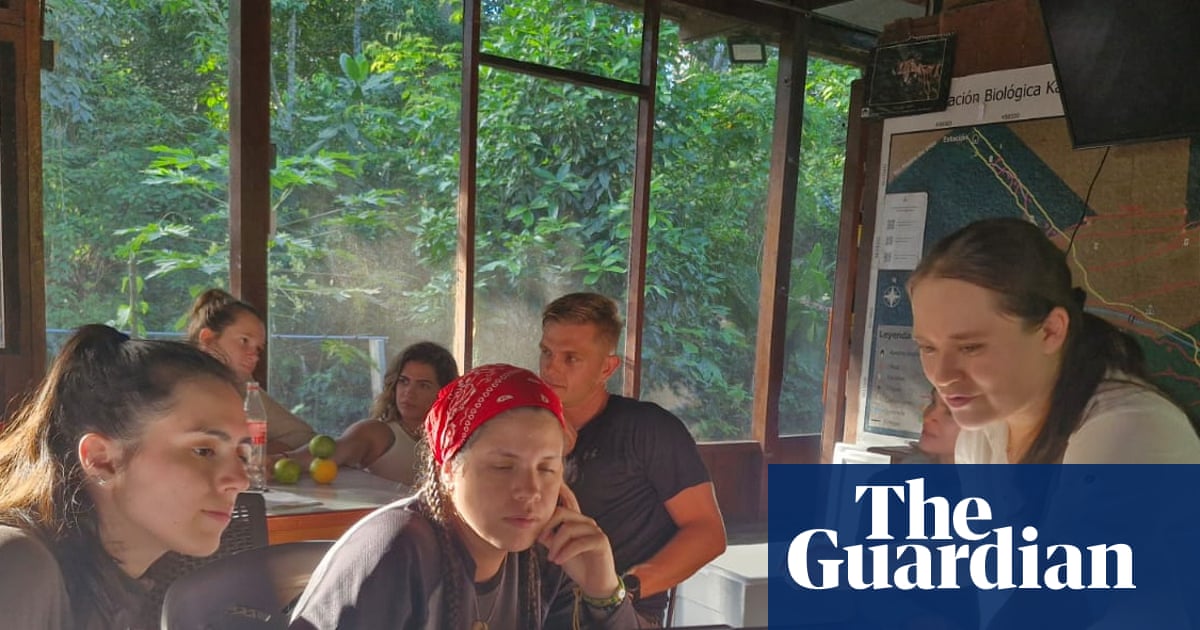
The Kawsay Biological Station in Peru which hosts volunteers on behalf of GVI says it is owed over $56,000 (£42,000) by the company. “We have hosted more than 60 students on behalf of the company this year but have received no payment,” said its director Raúl Bello Santa Cruz. “Last year they postponed our payments for six months.
“The contract with GVI included funding for local projects and we depend on it but, despite charging customers expensive fees, GVI has not been passing it on. I’ve been using my personal savings to continue our work. We’ve been abandoned.”
GVI was part of the growing “voluntourism” sector, which combines volunteer conservation and community work with adventure travel in developing countries. Customers are promised training, accommodation and meals while working on wildlife or marine stations. In return, local eco projects receive funding from the travel firms.
The organisation was run by self-styled “serial entrepreneurs” Andrew Valentine and Brett Akker. The original company went into voluntary liquidation last September owing suppliers £1.5m and its contracts were taken over by a second company run by the pair under the GVI name.
Valentine and Akker have links to another travel company, Bushwise, which offers conservation experience to students. There is no suggestion it is in financial difficulty.
Customers who had signed up to a monthly payment plan with GVI claim they were encouraged to pay the full cost up front in a dash for cash six weeks before the company ceased trading. “I was phoned out of the blue and told I’d get 10% off if I paid the balance that same day,” said Denton. “I felt a bit pressured, but it was a good discount so I paid it and now I have lost it all.”
Since customers were encouraged to pay by bank transfer, their payments are not protected by credit card refund rules or the voluntary chargeback scheme run by debit card issuers.
A statement on the GVI website says that “all current and future programs have been cancelled. GVI staff on the ground are supporting participants as they make plans to depart GVI bases”.
The notice adds that “all impacted participants will receive formal correspondence detailing the liquidation process and instructions on how to lodge a claim”. However, experts said that its customers will be at the back of the queue of creditors owed money by the company.
Valentine said GVI had made an “incredible” contribution to conservation and community work over 25 years.
“Although GVI has had periods of disappointing commercial performance over the years, it has remained viable throughout and – following the advice of insolvency practitioners – continued business as usual up to 30 June, at which point it became clear that the business could no longer meet its obligations,” he said.
“We particularly regret the impact that GVI’s liquidation has had on our programme partners around the world, specifically that GVI ultimately failed to provide them with a reliable income stream. A number of former GVI staff have voluntarily been assisting partners to create new, globally diversified income streams. The hope is that these initiatives can allow the impact to continue, even if GVI can not.”
* Name changed to protect anonymity
Read the full story at The Guardian ↗
GVI, a voluntourism operator offering gap year placements on conservation projects worldwide, ceased trading on 1 July 2024 and entered liquidation. Students who had paid fees—some exceeding £10,000—were notified by email that placements would not proceed and refunds would not be offered. Conservation partners in Peru and elsewhere report being owed substantial payments. The company, previously voluntary liquidated in September 2023 before resuming under new ownership by the same operators, continued accepting payments until closure. Students paid primarily by bank transfer, which offers no chargeback protection. Company leadership attributed the closure to poor commercial performance despite prior viability, and stated that former staff are assisting conservation partners to secure alternative funding.
Read the full story at The Guardian ↗
UK students who paid thousands of pounds for summer and gap year placements on overseas conservation projects have lost everything after their eco tour operator shut down.
GVI, which offered volunteer and internship placements on wildlife and marine projects across the world, was continuing to advertise trips until it went into liquidation and removed its website on 1 July.
Scores of school leavers and gap year students were informed by email that their placements would not go ahead and that no refunds would be offered. Some had saved for years and given up jobs in order to take part.
Clara Denton* paid over £10,000 for a placement year as an apprentice on a South African game reserve. She was due to start in September. “I’ve missed the deadline to apply for university courses and am too late to find a placement, so I’m left with a year of nothing,” she said. “The opportunity was priceless and now it’s all been taken away.”
Meanwhile conservation projects in Africa and South America that relied on GVI for income and volunteers face an uncertain future.
The Kawsay Biological Station in Peru which hosts volunteers on behalf of GVI says it is owed over $56,000 (£42,000) by the company. “We have hosted more than 60 students on behalf of the company this year but have received no payment,” said its director Raúl Bello Santa Cruz. “Last year they postponed our payments for six months.
“The contract with GVI included funding for local projects and we depend on it but, despite charging customers expensive fees, GVI has not been passing it on. I’ve been using my personal savings to continue our work. We’ve been abandoned.”
GVI was part of the growing “voluntourism” sector, which combines volunteer conservation and community work with adventure travel in developing countries. Customers are promised training, accommodation and meals while working on wildlife or marine stations. In return, local eco projects receive funding from the travel firms.
The organisation was run by self-styled “serial entrepreneurs” Andrew Valentine and Brett Akker. The original company went into voluntary liquidation last September owing suppliers £1.5m and its contracts were taken over by a second company run by the pair under the GVI name.
Valentine and Akker have links to another travel company, Bushwise, which offers conservation experience to students. There is no suggestion it is in financial difficulty.
Customers who had signed up to a monthly payment plan with GVI claim they were encouraged to pay the full cost up front in a dash for cash six weeks before the company ceased trading. “I was phoned out of the blue and told I’d get 10% off if I paid the balance that same day,” said Denton. “I felt a bit pressured, but it was a good discount so I paid it and now I have lost it all.”
Since customers were encouraged to pay by bank transfer, their payments are not protected by credit card refund rules or the voluntary chargeback scheme run by debit card issuers.
A statement on the GVI website says that “all current and future programs have been cancelled. GVI staff on the ground are supporting participants as they make plans to depart GVI bases”.
The notice adds that “all impacted participants will receive formal correspondence detailing the liquidation process and instructions on how to lodge a claim”. However, experts said that its customers will be at the back of the queue of creditors owed money by the company.
Valentine said GVI had made an “incredible” contribution to conservation and community work over 25 years.
“Although GVI has had periods of disappointing commercial performance over the years, it has remained viable throughout and – following the advice of insolvency practitioners – continued business as usual up to 30 June, at which point it became clear that the business could no longer meet its obligations,” he said.
“We particularly regret the impact that GVI’s liquidation has had on our programme partners around the world, specifically that GVI ultimately failed to provide them with a reliable income stream. A number of former GVI staff have voluntarily been assisting partners to create new, globally diversified income streams. The hope is that these initiatives can allow the impact to continue, even if GVI can not.”
* Name changed to protect anonymity
Read the full story at The Guardian ↗
GVI was a voluntourism operator offering volunteer and internship placements on wildlife and marine conservation projects across multiple continents. The company went into liquidation and ceased trading on 1 July 2024, removing its website and cancelling all current and future placements. Students were informed by email that no refunds would be offered for cancelled placements. Scores of students had saved for years and some had given up jobs to participate in placements costing thousands of pounds each. Students who had paid in full via bank transfer prior to closure are not protected by credit card refund rules or debit card chargeback schemes. A Peruvian conservation station hosted 60+ GVI students in the year prior to closure but received no payment from GVI, with the operator owing over $56,000 (£42,000). GVI's original company went into voluntary liquidation in September 2023 owing suppliers £1.5m; contracts were transferred to a second company run by the same operators. Customers report being pressured to pay balances in full up to six weeks before closure in exchange for discounts. As unsecured creditors, gap year students will be at the back of the queue to recover losses from the liquidation process. Company leadership stated that GVI had made an 'incredible' contribution to conservation over 25 years but had experienced 'periods of disappointing commercial performance'.
Read the full story at The Guardian ↗
- UK gap year tour operator GVI entered liquidation on 1 July, cancelling all placements and offering no refunds to students who had paid thousands of pounds
- Hundreds of school leavers lost savings and missed university application deadlines; conservation projects in Africa and South America are owed substantial sums
- GVI was run by Andrew Valentine and Brett Akker; customers who paid by bank transfer have no credit card protection, leaving them at the back of the creditor queue