I've spent 30 years in recruitment - this is how to get a job
Don't make this mistake when applying for a job
If you've sent off dozens of job applications and heard nothing back, the silence can be as infuriating as a rejection.
Part of the problem is the shrinking number of entry-level jobs. Reed, the recruitment firm, says that graduate vacancies on its website have fallen from around 180,000 three or four years ago to 50,000.
James Reed, chair and chief executive of Reed, has spent 30 years watching how employers make decisions and, like many, is frustrated at how difficult the process has become.
Here, the recruitment veteran gives some pointers on how to get noticed in a tough jobs market.
Many employers use artificial intelligence (AI) systems to screen applications before a human lays eyes on them.
Reed believes that "computers shouldn't reject people".
But if AI is being used, Reed suggests it is probably comparing the job description with your CV or cover letter so you should "try and mirror the job description with your skills and experience".
That doesn't mean pretending to have skills you do not have. "It's really important you don't lie," says Reed, but if the job asks for communication, organisation or customer service, make sure your application clearly shows where you have done those things.
It is one of the most frustrating parts of job-hunting: being told you need experience for an entry-level role.
Reed says the problem is worse at the moment because employers are hiring less, so often look for candidates who already have some know-how.
He advises building experience wherever possible - "even if it's temporary, casual or part-time" - through work, volunteering, community projects or free online training, such as Anthropic's AI academy.
If you get in front of an employer (and are feeling brave) it can be worth making the point directly: "Someone gave you your first opportunity, that's all I'm looking for."
Image source, Bloomberg via Getty Images
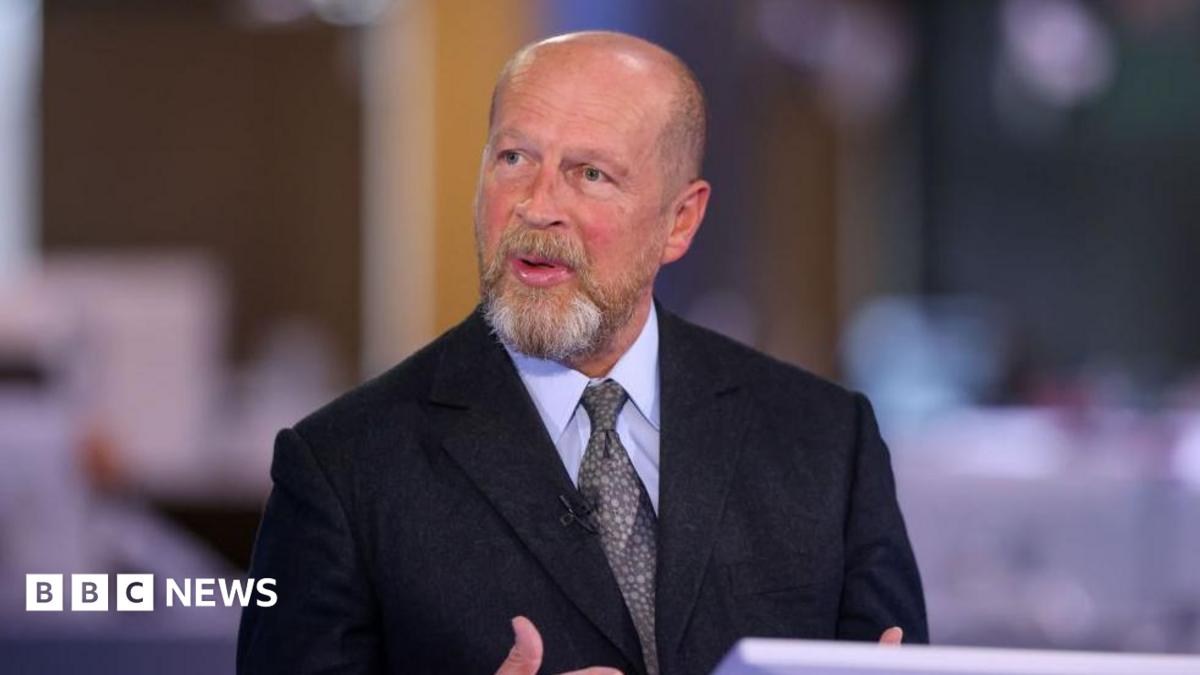
Reed founder and chair James Reed
Reed is not against using AI to help with applications as it's a "wonderful tool" that can improve your application.
But he warns against letting the technology do all the work because "if you leave it as AI-only then it'll be identical to lots of other people's and the point is to stand out".
His main piece of advice is to "make sure your CV says who you are".
"Make sure it is one page," he says. "Get that opening top statement right and get advice from people to make sure it really sounds like you and it's a document you feel proud of."
Reed jokes that while he doesn't mind the odd spelling mistake "because it shows it was written by a human, not AI", attention to detail is really important so make sure it is grammatically correct.
Communication, collaboration and resilience are the skills Reed says some people are lacking but are vital to succeed in any career.
"Good communicators have an advantage," he says. "So you should learn how to express yourself and build your confidence speaking in front of people."
Collaboration matters too. "Nothing is achieved by one person as you're always part of a team," Reed says.
"If it's all about 'me, me, me' at a job interview you won't proceed."
And resilience can make a real difference when job-hunting feels relentless. "If you can develop a super thick skin and be persistent and resilient, it will serve you well," he says.
"You'll have some knocks in life, but don't take it personally, it's normal."
James Reed: Big Boss interview
Reed talks about whether it's worth going to university and how more can be done to encourage employers to hire graduates.
One question that comes up more than any other at interview is "tell me about yourself".
Reed says: "If you're prepared, it's the easiest question and you can knock it out of the park, but if you're not, then you go all over the place.
"Interviews are a life-changing conversation so it's important to really prepare."
Reed says the biggest mistake is thinking "the world owes you a living" or that someone should give you a job just because you are in the room.
His advice is to flip the way you think about it.
"A job is a problem to be solved so you need to think how are you the solution to the employer or company?"
Once you pitch yourself that way, he says, you stop focusing only on "what's in it for me" and start showing the employer why they should hire you.
Reed is clear that university is not the right route for everyone and "doing a degree thinking it's the done thing and all my friends are doing it is not such a good idea".
He believes too many young people currently go to university, and that more should consider apprenticeships, trades or going directly into work.
"We have been ridiculously snobby about trades and the idea that half of young people should go to university feels very outdated," he says.
Have you had difficulties finding a job? Let us know.
Read the full story at BBC ↗
The job market has contracted significantly: Reed reports graduate vacancies fell from around 180,000 to 50,000 over three to four years. Many employers now use AI systems to filter applications by matching them against job descriptions, so candidates should ensure their skills and experience are clearly articulated in their materials—honestly. Employers increasingly expect some prior experience even for entry-level roles, partly because they're hiring cautiously. James Reed, who leads the recruitment firm, recommends building experience through any available channel: temporary work, volunteering, community projects, or online training. He emphasises that CVs should be concise (one page), authentic in voice, grammatically correct, and accompanied by a strong opening statement. In interviews, preparation is critical, particularly for the standard question "tell me about yourself". Reed identifies communication, collaboration, and resilience as undervalued but essential skills. He also argues that university is not the only or necessarily best path for all young people, and that apprenticeships and trades deserve less stigma.
Read the full story at BBC ↗
Don't make this mistake when applying for a job
If you've sent off dozens of job applications and heard nothing back, the silence can be as infuriating as a rejection.
Part of the problem is the shrinking number of entry-level jobs. Reed, the recruitment firm, says that graduate vacancies on its website have fallen from around 180,000 three or four years ago to 50,000.
James Reed, chair and chief executive of Reed, has spent 30 years watching how employers make decisions and, like many, is frustrated at how difficult the process has become.
Here, the recruitment veteran gives some pointers on how to get noticed in a tough jobs market.
Many employers use artificial intelligence (AI) systems to screen applications before a human lays eyes on them.
Reed believes that "computers shouldn't reject people".
But if AI is being used, Reed suggests it is probably comparing the job description with your CV or cover letter so you should "try and mirror the job description with your skills and experience".
That doesn't mean pretending to have skills you do not have. "It's really important you don't lie," says Reed, but if the job asks for communication, organisation or customer service, make sure your application clearly shows where you have done those things.
It is one of the most frustrating parts of job-hunting: being told you need experience for an entry-level role.
Reed says the problem is worse at the moment because employers are hiring less, so often look for candidates who already have some know-how.
He advises building experience wherever possible - "even if it's temporary, casual or part-time" - through work, volunteering, community projects or free online training, such as Anthropic's AI academy.
If you get in front of an employer (and are feeling brave) it can be worth making the point directly: "Someone gave you your first opportunity, that's all I'm looking for."
Image source, Bloomberg via Getty Images
Reed founder and chair James Reed
Reed is not against using AI to help with applications as it's a "wonderful tool" that can improve your application.
But he warns against letting the technology do all the work because "if you leave it as AI-only then it'll be identical to lots of other people's and the point is to stand out".
His main piece of advice is to "make sure your CV says who you are".
"Make sure it is one page," he says. "Get that opening top statement right and get advice from people to make sure it really sounds like you and it's a document you feel proud of."
Reed jokes that while he doesn't mind the odd spelling mistake "because it shows it was written by a human, not AI", attention to detail is really important so make sure it is grammatically correct.
Communication, collaboration and resilience are the skills Reed says some people are lacking but are vital to succeed in any career.
"Good communicators have an advantage," he says. "So you should learn how to express yourself and build your confidence speaking in front of people."
Collaboration matters too. "Nothing is achieved by one person as you're always part of a team," Reed says.
"If it's all about 'me, me, me' at a job interview you won't proceed."
And resilience can make a real difference when job-hunting feels relentless. "If you can develop a super thick skin and be persistent and resilient, it will serve you well," he says.
"You'll have some knocks in life, but don't take it personally, it's normal."
James Reed: Big Boss interview
Reed talks about whether it's worth going to university and how more can be done to encourage employers to hire graduates.
One question that comes up more than any other at interview is "tell me about yourself".
Reed says: "If you're prepared, it's the easiest question and you can knock it out of the park, but if you're not, then you go all over the place.
"Interviews are a life-changing conversation so it's important to really prepare."
Reed says the biggest mistake is thinking "the world owes you a living" or that someone should give you a job just because you are in the room.
His advice is to flip the way you think about it.
"A job is a problem to be solved so you need to think how are you the solution to the employer or company?"
Once you pitch yourself that way, he says, you stop focusing only on "what's in it for me" and start showing the employer why they should hire you.
Reed is clear that university is not the right route for everyone and "doing a degree thinking it's the done thing and all my friends are doing it is not such a good idea".
He believes too many young people currently go to university, and that more should consider apprenticeships, trades or going directly into work.
"We have been ridiculously snobby about trades and the idea that half of young people should go to university feels very outdated," he says.
Have you had difficulties finding a job? Let us know.
Read the full story at BBC ↗
Graduate vacancies on Reed's website have fallen from around 180,000 to 50,000 in the past three to four years Many employers use AI systems to screen job applications The shrinking number of entry-level jobs is a significant problem in the jobs market Candidates should mirror job descriptions in their CVs and cover letters to align with AI screening Candidates should not fabricate skills when applying for jobs Building experience through temporary, casual, part-time work, volunteering, community projects, or online training helps with entry-level job prospects AI can be used as a tool to improve applications, but over-reliance on it produces identical applications that fail to distinguish candidates CVs should be one page long with a strong opening statement that sounds authentic to the applicant Communication, collaboration, and resilience are essential career skills Job-seekers should frame themselves as a solution to the employer's problem rather than focus on personal benefit University is not the right path for everyone Apprenticeships and trades have been unfairly stigmatised in favour of university education
Read the full story at BBC ↗
- Graduate job vacancies in the UK have declined from ~180,000 to 50,000 in recent years, according to recruitment firm Reed
- Many employers use AI to screen applications; candidates should mirror job descriptions in CVs without fabricating skills
- Key employability skills include communication, collaboration, resilience, and practical experience gained through work, volunteering, or training
- CVs should be one page with a strong opening statement that reflects the applicant's authentic voice
- Job-hunting success depends on positioning yourself as a solution to the employer's problem rather than focusing on personal benefit