Israel and Lebanon sign framework agreement after US-brokered talks
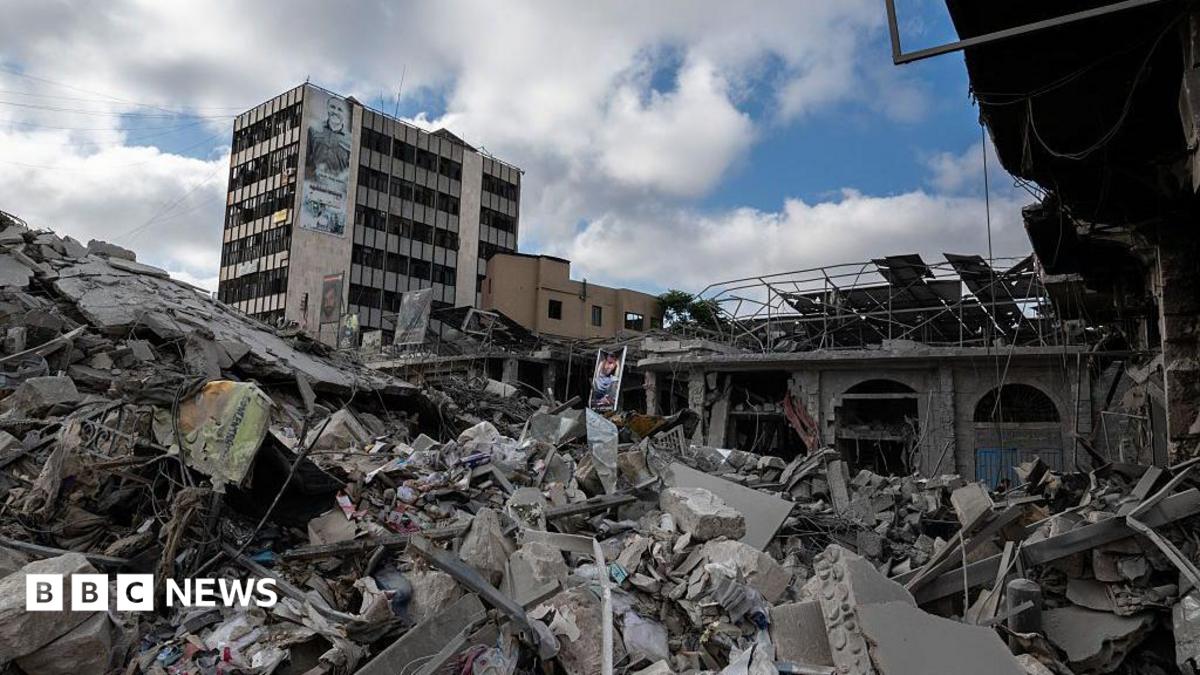 ✓
✓Israel and Lebanon have signed a framework agreement in Washington after days of negotiations brokered by the US.
The deal, details of which remain unclear, is something of a victory for the Trump administration, which is itself embroiled in complex negotiations with Iran following the extension of a ceasefire between the two.
Iran - Hezbollah's primary foreign backer - has repeatedly called for Lebanon to form part of any negotiations with the US.
The agreement "begins to put in place a framework for lasting peace and security," US Secretary of State Marco Rubio said on Friday. "That's what these two nations deserve," he said, calling it a "first step".
Previous ceasefires between Israel and Hezbollah have still seen near-daily cross-border strikes, with both sides accusing each other of violating the agreement.
Washington has feared that continuing tensions between Israel and Lebanon could undermine the US peace deal with Iran, which holds a commitment to end fighting on "all fronts", including Lebanon.
Over the course of several months, repeated Israeli strikes on targets in southern Lebanon threatened to derail efforts to settle the conflict in the Middle East.
US President Donald Trump on one occasion held a terse phone call with Israeli Prime Minister Benjamin Netanyahu, in which he reportedly uttered an expletive. He also publicly criticized Netanyahu and Israeli conduct in the conflict on several occasions.
The Israel-Lebanon deal, however, could be tenuous. Hezbollah is not a party to Friday's agreement, and it is unclear whether it will agree to withdraw its fighters from the South Litani area in southern Lebanon.
While Trump has insisted that Israel has a right to defend itself from Hezbollah rocket strikes on its territories, he has also claimed he can "control Israel from attacking Lebanon."
"They have a lot of respect for me," Trump told Axios in an interview last week. "They do as I say."
Lebanon was drawn into the war between the US and Israel and Iran on 2 March, when Hezbollah launched rockets into Israel in retaliation for an Israeli strike that killed Iran's supreme leader. Israel responded with an air campaign across Lebanon and a ground invasion in the south.
A US-brokered ceasefire between Israel and Lebanon on 16 April failed to stop the fighting.
Israel and Lebanon also agreed in June to renew their fragile ceasefire and create a number of "pilot" security zones inside Lebanon in which Hezbollah operatives would be banned. But fighting has since continued.
Read the full story at BBC ↗ · Al Jazeera ↗ · Al Jazeera ↗ · Al Jazeera ↗ · Axios ↗ · The Hill ↗
Israel and Lebanon have signed a framework agreement following US-brokered negotiations. US Secretary of State Marco Rubio described it as a first step toward lasting peace and security for both nations. However, the agreement faces significant uncertainties. Hezbollah, which is not a party to the deal, has not endorsed it, and it remains unclear whether the group will withdraw from southern Lebanon as envisioned. Previous ceasefire attempts between Israel and Lebanon in April and June did not prevent continued fighting. The agreement is occurring within a broader context of US diplomatic efforts in the region, including negotiations with Iran over a ceasefire commitment that encompasses all fronts, including Lebanon. Tensions between Israel and Lebanon escalated in March when Hezbollah launched rockets into Israel, prompting an Israeli air campaign and ground invasion in the south.
Read the full story at BBC ↗ · Al Jazeera ↗ · Al Jazeera ↗ · Al Jazeera ↗ · Axios ↗ · The Hill ↗
Israel and Lebanon have signed a framework agreement in Washington after days of negotiations brokered by the US.
The deal, details of which remain unclear, is something of a victory for the Trump administration, which is itself embroiled in complex negotiations with Iran following the extension of a ceasefire between the two.
Iran - Hezbollah's primary foreign backer - has repeatedly called for Lebanon to form part of any negotiations with the US.
The agreement "begins to put in place a framework for lasting peace and security," US Secretary of State Marco Rubio said on Friday. "That's what these two nations deserve," he said, calling it a "first step".
Previous ceasefires between Israel and Hezbollah have still seen near-daily cross-border strikes, with both sides accusing each other of violating the agreement.
Washington has feared that continuing tensions between Israel and Lebanon could undermine the US peace deal with Iran, which holds a commitment to end fighting on "all fronts", including Lebanon.
Over the course of several months, repeated Israeli strikes on targets in southern Lebanon threatened to derail efforts to settle the conflict in the Middle East.
US President Donald Trump on one occasion held a terse phone call with Israeli Prime Minister Benjamin Netanyahu, in which he reportedly uttered an expletive. He also publicly criticized Netanyahu and Israeli conduct in the conflict on several occasions.
The Israel-Lebanon deal, however, could be tenuous. Hezbollah is not a party to Friday's agreement, and it is unclear whether it will agree to withdraw its fighters from the South Litani area in southern Lebanon.
While Trump has insisted that Israel has a right to defend itself from Hezbollah rocket strikes on its territories, he has also claimed he can "control Israel from attacking Lebanon."
"They have a lot of respect for me," Trump told Axios in an interview last week. "They do as I say."
Lebanon was drawn into the war between the US and Israel and Iran on 2 March, when Hezbollah launched rockets into Israel in retaliation for an Israeli strike that killed Iran's supreme leader. Israel responded with an air campaign across Lebanon and a ground invasion in the south.
A US-brokered ceasefire between Israel and Lebanon on 16 April failed to stop the fighting.
Israel and Lebanon also agreed in June to renew their fragile ceasefire and create a number of "pilot" security zones inside Lebanon in which Hezbollah operatives would be banned. But fighting has since continued.
Read the full story at BBC ↗ · Al Jazeera ↗ · Al Jazeera ↗ · Al Jazeera ↗ · Axios ↗ · The Hill ↗
Israel and Lebanon signed a framework agreement after US-brokered talks in Washington The agreement represents a victory for the Trump administration US Secretary of State Marco Rubio called the agreement a first step toward lasting peace and security Hezbollah is not a party to the framework agreement Previous ceasefires between Israel and Hezbollah in April and June did not prevent continued cross-border strikes The agreement is tenuous and it is unclear whether Hezbollah will accept it Washington feared continuing tensions between Israel and Lebanon could undermine US peace efforts with Iran Trump claimed he can control Israel from attacking Lebanon
Read the full story at BBC ↗ · Al Jazeera ↗ · Al Jazeera ↗ · Al Jazeera ↗ · Axios ↗ · The Hill ↗
- Israel and Lebanon have signed a US-brokered framework agreement in Washington after days of negotiations
- The deal aims to establish a framework for lasting peace, though specific details remain unclear
- Hezbollah, not party to the agreement, has not committed to the deal, and previous ceasefires have seen continued cross-border strikes
- The agreement is part of broader US efforts to stabilise the Middle East amid ongoing negotiations with Iran