Israel to close British consulate in Jerusalem after sanctions announced
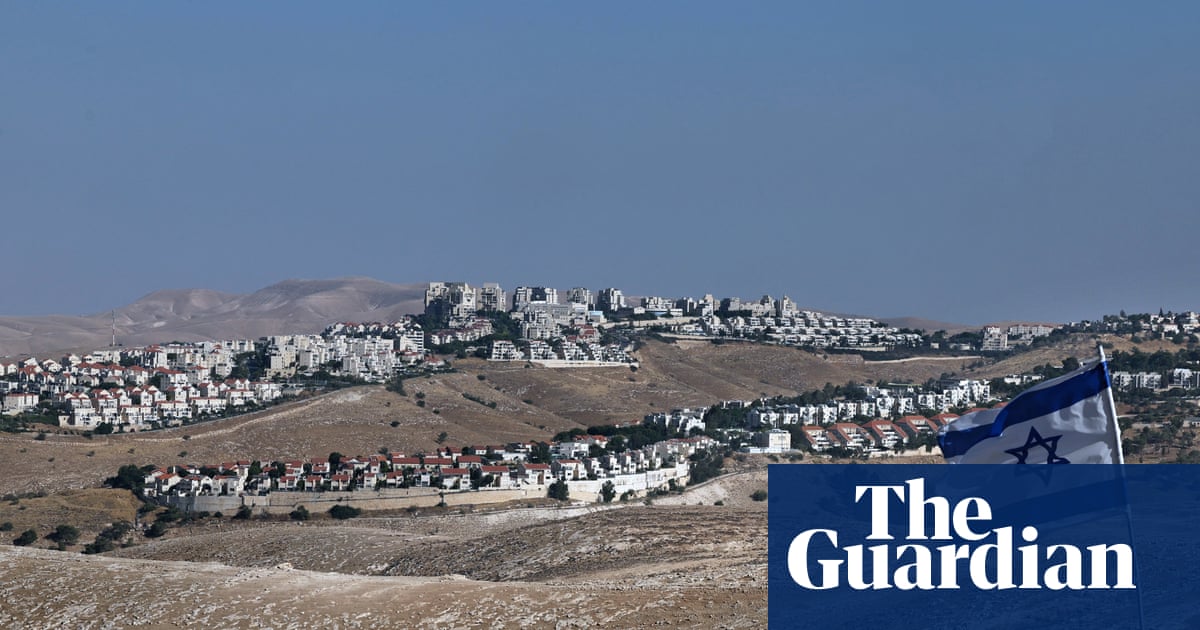
Israel has ordered the closure of the British consulate in occupied East Jerusalem in response to sweeping UK sanctions on goods from illegal settlements.
Reacting to Ed Miliband’s description of violent Jewish settler activity on the occupied Palestinian West Bank as “ethnic cleansing” carried out with the tacit backing of the Netanyahu government, Israel’s foreign minister, Gideon Sa’ar, announced retaliatory measures including the closure of the consulate and entry bans on several UK MPs.
It is the latest stage in a furious and escalating row between the countries in which diplomatic relations have hit rock bottom.
The consulate in the Sheikh Jarrah area of the city focuses on Palestinian issues in the occupied territories, including Gaza, the West Bank and Jerusalem. The British embassy in Tel Aviv is where the UK’s ambassador to Israel is based.
While most countries regard East Jerusalem as illegally occupied by Israel since the Six Day War in 1967, Israel says Jerusalem is its undivided capital.
“United Jerusalem is the capital of Israel and is under its full sovereignty,” Sa’ar said. “Any foreign activity in the area must be conducted through accepted and agreed channels and without violating Israel’s sovereignty.”
Sa’ar also announced entry bans on a number of mostly leftwing MPs including the former Labour leader Jeremy Corbyn, the Your Party MP Zarah Sultana, the Labour MPs Diane Abbott, Naz Shah, John McDonnell and Richard Burgon and the Green MPs Hannah Spencer, Carla Denyer, Siân Berry and Ellie Chowns.
The Israeli government added that longstanding British involvement in the training of Palestinian security forces on the West Bank would be terminated. Britain will also be excluded from the US-led Gaza coordination mission, which is based in Israel.
The British sanctions were coordinated with 11 other countries, including France and Canada.
Sa’ar said: “The British move is morally distorted, and constitutes blatant interference in the affairs of a sovereign state and its electoral process.”
He added: “Israel has nothing against the British people. We know that we have many friends in Britain. Unfortunately, a hostile Labour government is in office, systematically acting against the state of Israel, and it has left us with no choice but to finally respond to its hostile actions.”
Sa’ar said that he had coordinated Israel’s response with the prime minister, Benjamin Netanyahu. Israel will hold an election in late October.
Israel’s president, Isaac Herzog, called the ban “a grave miscalculation, a decision that will fall on the wrong side of history”.
“In the current context, it would be a gross interference in the democratic elections of a sovereign nation,” he said. “Sanctions are not a solution – dialogue is. I say to all foreign governments: Stop. Step away from the dead-end of sanctions and boycotts, and turn toward constructive dialogue and toward cooperation.”
Settlement building and settlement-related violence have increased under the auspices of far-right Israeli ministers in the Netanyahu government who have said publicly that they aim to “bury” a two state solution through their actions.
Itamar Ben-Gvir, Israel’s hardline public security minister and a settler leader, called on Netanyahu to recognise Argentina’s claim to the Falkland Islands, a British overseas territory in the South Atlantic known in Argentina as Islas Malvinas.
The US ambassador to Israel, Mike Huckabee, a longtime supporter of the settlements, said the British sanctions were “discrimination against the Jewish people”. He said the UK could face “repercussions or retaliations” from the US.
However, in a markedly more muted response, US secretary of state, Marco Rubio, said Washington would not follow Britain, France and Canada in blocking imports from Israeli settlements in the Palestinian territory and did not want to see moves that would destabilise the West Bank.
Israel has been under notice from successive British governments – both Conservative and Labour – for years over the risk of international isolation and potential sanctions related to continuing settlement activity in the occupied territories. These warnings have becomelouder in recent years as violent settler activity has escalated.
The UK’s Labour government previously sanctioned some Israeli settlers and illegal outposts over violence against Palestinians and illegal development in the West Bank.
In a change of Britain’s position, Miliband, the foreign secretary, said on Tuesday that the UK regards Israel’s occupation of the West Bank, and not just the settlements, as illegal.
The tougher stance is likely to be welcomed by many Labour voters and lawmakers, who have urged the government to go further in sanctioning Israel and supporting Palestinians.
Difficulties to establishing an EU-wide approach, coordinated with the UK, had led to countries making individual decisions on a widening sanctions regime that culminated in the joint statement by 12 countries that they were setting in train the process of far harder-hitting sanctions.
Read the full story at The Guardian ↗
Several MPs also banned from Israel after UK steps up condemnation of settlements and announces sweeping sanctions. Israel has ordered the closure of the British consulate in…
This lens runs the verified story through Cinnamon's AI — wired in the next step.
Israel has ordered the closure of the British consulate in occupied East Jerusalem in response to sweeping UK sanctions on goods from illegal settlements.
Reacting to Ed Miliband’s description of violent Jewish settler activity on the occupied Palestinian West Bank as “ethnic cleansing” carried out with the tacit backing of the Netanyahu government, Israel’s foreign minister, Gideon Sa’ar, announced retaliatory measures including the closure of the consulate and entry bans on several UK MPs.
It is the latest stage in a furious and escalating row between the countries in which diplomatic relations have hit rock bottom.
The consulate in the Sheikh Jarrah area of the city focuses on Palestinian issues in the occupied territories, including Gaza, the West Bank and Jerusalem. The British embassy in Tel Aviv is where the UK’s ambassador to Israel is based.
While most countries regard East Jerusalem as illegally occupied by Israel since the Six Day War in 1967, Israel says Jerusalem is its undivided capital.
“United Jerusalem is the capital of Israel and is under its full sovereignty,” Sa’ar said. “Any foreign activity in the area must be conducted through accepted and agreed channels and without violating Israel’s sovereignty.”
Sa’ar also announced entry bans on a number of mostly leftwing MPs including the former Labour leader Jeremy Corbyn, the Your Party MP Zarah Sultana, the Labour MPs Diane Abbott, Naz Shah, John McDonnell and Richard Burgon and the Green MPs Hannah Spencer, Carla Denyer, Siân Berry and Ellie Chowns.
The Israeli government added that longstanding British involvement in the training of Palestinian security forces on the West Bank would be terminated. Britain will also be excluded from the US-led Gaza coordination mission, which is based in Israel.
The British sanctions were coordinated with 11 other countries, including France and Canada.
Sa’ar said: “The British move is morally distorted, and constitutes blatant interference in the affairs of a sovereign state and its electoral process.”
He added: “Israel has nothing against the British people. We know that we have many friends in Britain. Unfortunately, a hostile Labour government is in office, systematically acting against the state of Israel, and it has left us with no choice but to finally respond to its hostile actions.”
Sa’ar said that he had coordinated Israel’s response with the prime minister, Benjamin Netanyahu. Israel will hold an election in late October.
Israel’s president, Isaac Herzog, called the ban “a grave miscalculation, a decision that will fall on the wrong side of history”.
“In the current context, it would be a gross interference in the democratic elections of a sovereign nation,” he said. “Sanctions are not a solution – dialogue is. I say to all foreign governments: Stop. Step away from the dead-end of sanctions and boycotts, and turn toward constructive dialogue and toward cooperation.”
Settlement building and settlement-related violence have increased under the auspices of far-right Israeli ministers in the Netanyahu government who have said publicly that they aim to “bury” a two state solution through their actions.
Itamar Ben-Gvir, Israel’s hardline public security minister and a settler leader, called on Netanyahu to recognise Argentina’s claim to the Falkland Islands, a British overseas territory in the South Atlantic known in Argentina as Islas Malvinas.
The US ambassador to Israel, Mike Huckabee, a longtime supporter of the settlements, said the British sanctions were “discrimination against the Jewish people”. He said the UK could face “repercussions or retaliations” from the US.
However, in a markedly more muted response, US secretary of state, Marco Rubio, said Washington would not follow Britain, France and Canada in blocking imports from Israeli settlements in the Palestinian territory and did not want to see moves that would destabilise the West Bank.
Israel has been under notice from successive British governments – both Conservative and Labour – for years over the risk of international isolation and potential sanctions related to continuing settlement activity in the occupied territories. These warnings have becomelouder in recent years as violent settler activity has escalated.
The UK’s Labour government previously sanctioned some Israeli settlers and illegal outposts over violence against Palestinians and illegal development in the West Bank.
In a change of Britain’s position, Miliband, the foreign secretary, said on Tuesday that the UK regards Israel’s occupation of the West Bank, and not just the settlements, as illegal.
The tougher stance is likely to be welcomed by many Labour voters and lawmakers, who have urged the government to go further in sanctioning Israel and supporting Palestinians.
Difficulties to establishing an EU-wide approach, coordinated with the UK, had led to countries making individual decisions on a widening sanctions regime that culminated in the joint statement by 12 countries that they were setting in train the process of far harder-hitting sanctions.
Read the full story at The Guardian ↗
Israel has ordered the closure of the British consulate in occupied East Jerusalem in response to sweeping UK sanctions on goods from illegal settlements.
Reacting to Ed Miliband’s description of violent Jewish settler activity on the occupied Palestinian West Bank as “ethnic cleansing” carried out with the tacit backing of the Netanyahu government, Israel’s foreign minister, Gideon Sa’ar, announced retaliatory measures including the closure of the consulate and entry bans on several UK MPs.
It is the latest stage in a furious and escalating row between the countries in which diplomatic relations have hit rock bottom.
The consulate in the Sheikh Jarrah area of the city focuses on Palestinian issues in the occupied territories, including Gaza, the West Bank and Jerusalem. The British embassy in Tel Aviv is where the UK’s ambassador to Israel is based.
While most countries regard East Jerusalem as illegally occupied by Israel since the Six Day War in 1967, Israel says Jerusalem is its undivided capital.
“United Jerusalem is the capital of Israel and is under its full sovereignty,” Sa’ar said. “Any foreign activity in the area must be conducted through accepted and agreed channels and without violating Israel’s sovereignty.”
Sa’ar also announced entry bans on a number of mostly leftwing MPs including the former Labour leader Jeremy Corbyn, the Your Party MP Zarah Sultana, the Labour MPs Diane Abbott, Naz Shah, John McDonnell and Richard Burgon and the Green MPs Hannah Spencer, Carla Denyer, Siân Berry and Ellie Chowns.
The Israeli government added that longstanding British involvement in the training of Palestinian security forces on the West Bank would be terminated. Britain will also be excluded from the US-led Gaza coordination mission, which is based in Israel.
The British sanctions were coordinated with 11 other countries, including France and Canada.
Sa’ar said: “The British move is morally distorted, and constitutes blatant interference in the affairs of a sovereign state and its electoral process.”
He added: “Israel has nothing against the British people. We know that we have many friends in Britain. Unfortunately, a hostile Labour government is in office, systematically acting against the state of Israel, and it has left us with no choice but to finally respond to its hostile actions.”
Sa’ar said that he had coordinated Israel’s response with the prime minister, Benjamin Netanyahu. Israel will hold an election in late October.
Israel’s president, Isaac Herzog, called the ban “a grave miscalculation, a decision that will fall on the wrong side of history”.
“In the current context, it would be a gross interference in the democratic elections of a sovereign nation,” he said. “Sanctions are not a solution – dialogue is. I say to all foreign governments: Stop. Step away from the dead-end of sanctions and boycotts, and turn toward constructive dialogue and toward cooperation.”
Settlement building and settlement-related violence have increased under the auspices of far-right Israeli ministers in the Netanyahu government who have said publicly that they aim to “bury” a two state solution through their actions.
Itamar Ben-Gvir, Israel’s hardline public security minister and a settler leader, called on Netanyahu to recognise Argentina’s claim to the Falkland Islands, a British overseas territory in the South Atlantic known in Argentina as Islas Malvinas.
The US ambassador to Israel, Mike Huckabee, a longtime supporter of the settlements, said the British sanctions were “discrimination against the Jewish people”. He said the UK could face “repercussions or retaliations” from the US.
However, in a markedly more muted response, US secretary of state, Marco Rubio, said Washington would not follow Britain, France and Canada in blocking imports from Israeli settlements in the Palestinian territory and did not want to see moves that would destabilise the West Bank.
Israel has been under notice from successive British governments – both Conservative and Labour – for years over the risk of international isolation and potential sanctions related to continuing settlement activity in the occupied territories. These warnings have becomelouder in recent years as violent settler activity has escalated.
The UK’s Labour government previously sanctioned some Israeli settlers and illegal outposts over violence against Palestinians and illegal development in the West Bank.
In a change of Britain’s position, Miliband, the foreign secretary, said on Tuesday that the UK regards Israel’s occupation of the West Bank, and not just the settlements, as illegal.
The tougher stance is likely to be welcomed by many Labour voters and lawmakers, who have urged the government to go further in sanctioning Israel and supporting Palestinians.
Difficulties to establishing an EU-wide approach, coordinated with the UK, had led to countries making individual decisions on a widening sanctions regime that culminated in the joint statement by 12 countries that they were setting in train the process of far harder-hitting sanctions.
Read the full story at The Guardian ↗
This lens runs the verified story through Cinnamon's AI — wired in the next step.
- Several MPs also banned from Israel after UK steps up condemnation of settlements and announces sweeping sanctions.
- Israel has ordered the closure of the British consulate in…