JD Vance is the face of the beleaguered Iran deal – is he its fall guy?
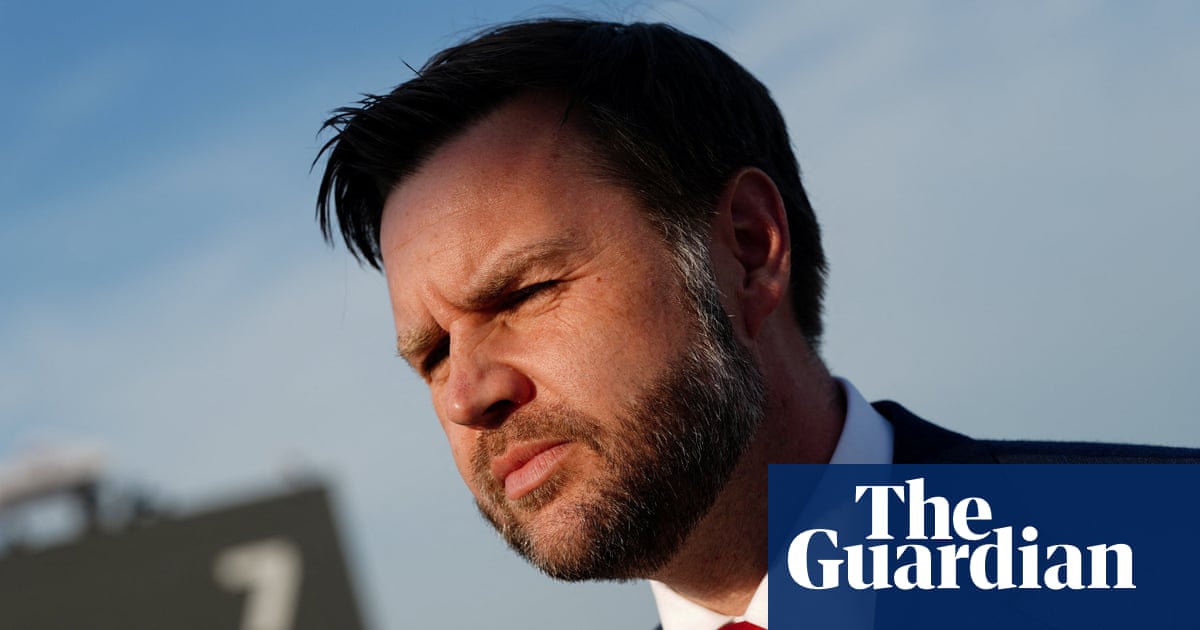
JD Vance has taken the greatest gamble of his vice-presidency by making himself the face of the Iran ceasefire deal – a shaky agreement that already seems to be unraveling at the seams.
But after months spent in limbo due to the war, it may be the best chance for him to find his feet again.
A funk had set over the US vice-president’s camp since the administration launched its war in Iran in February. Vance, a vocal opponent of the “forever wars” of the previous administrations (he had served as a combat correspondent in Iraq), was now being forced to defend the largest US military intervention in the Middle East in a generation. In public, he had been left out of the war room at Mar-a-Lago and appeared to be distanced from the Iran war planning. In private, journalists were being briefed on his opposition to the war.
“We could see that he was deeply uncomfortable” with the war, said one of Vance’s former colleagues in the Senate. “This is not what he joined the administration to do … But he chose to play [along] with Trump himself.
“He knew this could happen,” the senator added.
It had even, some insiders have said, imperiled Vance’s likely run for the presidency in 2028, where he remains the presumptive Republican favorite but has lost ground to Marco Rubio, a foreign policy hawk who has proved a competent top diplomat and security official.
“For many voters, Vance now represents a deeply and increasingly unpopular administration that presides over a spluttering economy, geopolitical decline, and a catastrophic war with Iran,” wrote Andrew Day of the American Conservative, which is highly critical of neoconservativsm and US interventionism abroad. “What had seemed predetermined – Vance 2028 – can no longer be taken for granted …
“Vance, to come out on top, will first need to define himself,” he added.
No one doubted that Vance was taking a risk when he took on the mantle of negotiating with Iran through Pakistani mediators. He was leading the highest-level engagement between US and Iranian officials since the Iranian revolution and diplomatic crisis of 1979.
As the terms of the deal became public, Vance was saddled with offering Iran terms including sanctions relief, the release of frozen assets, and other incentives that made him a target for hawkish and pro-Israel members of his own party. In public, he had gushed about the highest-level contacts with Iranian officials in generations, leading critics to call him far too credulous of Iranian promises.
Worse, he was being regularly undercut by the White House, with Trump threatening to resume strikes on Iran and even to assassinate Iranian negotiators with talks ongoing.
As usual, Vance sought to smooth over Trump’s rougher edges: “What we told the Iranians yesterday is that when you guys engage in what us millennials might call trash talk, you can’t expect the president of the United States not to respond and not to correct the record,” he said.
Yet as he seeks to advance the unlikely Iran deal, Vance has taken the initiative for the first time since early in this administration, attempting to both end a war and rehabilitate his image as an anti-interventionist candidate before the next election cycle.
For nearly a week, Vance was being trotted out on to television to sell the Iran deal and other contentious Trump policies to the American public. He was grilled on The View, where Whoopi Goldberg and Joy Behar both took potshots at the sitting vice-president. (“Are you his interpreter, or his vice-president? Come on,” Behar at one point exclaimed at Vance.)
Speaking with Ross Douthat of the New York Times, Vance gave an unusually critical appraisal of Israeli foreign policy in the region. “What is your exact proposal?” Vance said when asked about criticism by hardline Israeli politicians of his negotiations with Iran. “You’re a country of 9 million people. You can’t just kill your way out of solving every single national security problem that you have.”
The stakes for Vance could not be higher. Once again, the White House has made clear that it is extremely lax in terms of policy, but has little tolerance for failure.
“If it works out, I’m going to take the credit,” Trump said of the peace agreement. “If it doesn’t work out, I’m blaming JD.”
It was an almost exact reprise of a joke he had made at the expense of Rubio more than a year earlier.
Then it was Rubio who looked like the outlier in the new Trump administration. But now Vance is in the hot seat.
Read the full story at The Guardian ↗
JD Vance has assumed primary public responsibility for negotiating a ceasefire agreement with Iran through Pakistani intermediaries. This represents the highest-level US-Iran engagement since 1979. Vance had previously opposed the administration's military intervention in Iran launched in February, and reporting indicates he was excluded from war planning. The deal terms—including sanctions relief and release of frozen Iranian assets—have drawn criticism from Republican hawks and pro-Israel faction members. Trump has stated publicly that he will claim credit for success but attribute failure to Vance. Vance has undertaken extensive public advocacy for the agreement and related administration policies. Political analysts note the deal's fragility and the political consequences for Vance's standing within the administration and his positioning ahead of potential 2028 presidential candidacy.
Read the full story at The Guardian ↗
JD Vance has taken the greatest gamble of his vice-presidency by making himself the face of the Iran ceasefire deal – a shaky agreement that already seems to be unraveling at the seams.
But after months spent in limbo due to the war, it may be the best chance for him to find his feet again.
A funk had set over the US vice-president’s camp since the administration launched its war in Iran in February. Vance, a vocal opponent of the “forever wars” of the previous administrations (he had served as a combat correspondent in Iraq), was now being forced to defend the largest US military intervention in the Middle East in a generation. In public, he had been left out of the war room at Mar-a-Lago and appeared to be distanced from the Iran war planning. In private, journalists were being briefed on his opposition to the war.
“We could see that he was deeply uncomfortable” with the war, said one of Vance’s former colleagues in the Senate. “This is not what he joined the administration to do … But he chose to play [along] with Trump himself.
“He knew this could happen,” the senator added.
It had even, some insiders have said, imperiled Vance’s likely run for the presidency in 2028, where he remains the presumptive Republican favorite but has lost ground to Marco Rubio, a foreign policy hawk who has proved a competent top diplomat and security official.
“For many voters, Vance now represents a deeply and increasingly unpopular administration that presides over a spluttering economy, geopolitical decline, and a catastrophic war with Iran,” wrote Andrew Day of the American Conservative, which is highly critical of neoconservativsm and US interventionism abroad. “What had seemed predetermined – Vance 2028 – can no longer be taken for granted …
“Vance, to come out on top, will first need to define himself,” he added.
No one doubted that Vance was taking a risk when he took on the mantle of negotiating with Iran through Pakistani mediators. He was leading the highest-level engagement between US and Iranian officials since the Iranian revolution and diplomatic crisis of 1979.
As the terms of the deal became public, Vance was saddled with offering Iran terms including sanctions relief, the release of frozen assets, and other incentives that made him a target for hawkish and pro-Israel members of his own party. In public, he had gushed about the highest-level contacts with Iranian officials in generations, leading critics to call him far too credulous of Iranian promises.
Worse, he was being regularly undercut by the White House, with Trump threatening to resume strikes on Iran and even to assassinate Iranian negotiators with talks ongoing.
As usual, Vance sought to smooth over Trump’s rougher edges: “What we told the Iranians yesterday is that when you guys engage in what us millennials might call trash talk, you can’t expect the president of the United States not to respond and not to correct the record,” he said.
Yet as he seeks to advance the unlikely Iran deal, Vance has taken the initiative for the first time since early in this administration, attempting to both end a war and rehabilitate his image as an anti-interventionist candidate before the next election cycle.
For nearly a week, Vance was being trotted out on to television to sell the Iran deal and other contentious Trump policies to the American public. He was grilled on The View, where Whoopi Goldberg and Joy Behar both took potshots at the sitting vice-president. (“Are you his interpreter, or his vice-president? Come on,” Behar at one point exclaimed at Vance.)
Speaking with Ross Douthat of the New York Times, Vance gave an unusually critical appraisal of Israeli foreign policy in the region. “What is your exact proposal?” Vance said when asked about criticism by hardline Israeli politicians of his negotiations with Iran. “You’re a country of 9 million people. You can’t just kill your way out of solving every single national security problem that you have.”
The stakes for Vance could not be higher. Once again, the White House has made clear that it is extremely lax in terms of policy, but has little tolerance for failure.
“If it works out, I’m going to take the credit,” Trump said of the peace agreement. “If it doesn’t work out, I’m blaming JD.”
It was an almost exact reprise of a joke he had made at the expense of Rubio more than a year earlier.
Then it was Rubio who looked like the outlier in the new Trump administration. But now Vance is in the hot seat.
Read the full story at The Guardian ↗
JD Vance is the primary public face of the US-Iran ceasefire deal negotiated through Pakistani mediators. This represents the highest-level engagement between US and Iranian officials since the Iranian revolution and diplomatic crisis of 1979. Vance opposed the administration's military intervention in Iran launched in February. Reporting indicates Vance was excluded from war planning at Mar-a-Lago. The deal terms include sanctions relief, release of frozen assets, and other incentives to Iran. Vance has faced criticism from Republican hawks and pro-Israel members of his party over these terms. Trump stated: 'If it works out, I'm going to take the credit. If it doesn't work out, I'm blaming JD.' Vance is the presumptive Republican favorite for 2028 but has lost ground to Marco Rubio. Vance represents an 'unpopular administration that presides over a spluttering economy, geopolitical decline, and a catastrophic war with Iran,' according to Andrew Day of the American Conservative. Vance's move into public dealmaking represents his first major policy initiative and an attempt to rehabilitate his anti-interventionist image.
Read the full story at The Guardian ↗
- JD Vance has become the public face of the US-Iran ceasefire deal, a strategic gamble that carries significant political risk for his vice-presidency and potential 2028 presidential ambitions.
- Vance opposed the administration's February military intervention in Iran—contrary to his anti-interventionist stance—and was reportedly sidelined from war planning, damaging his standing with key supporters.
- Trump has explicitly stated he will take credit if the Iran deal succeeds but blame Vance if it fails, placing the vice-president in a precarious position with minimal margin for error.
- Vance faces criticism from both hawkish Republicans and pro-Israel members of his party over deal terms including sanctions relief and frozen asset releases to Iran.
- The vice-president's handling of the Iran negotiations represents his first major policy initiative since the administration began, positioning him as either a rehabilitated anti-interventionist or a failed dealmaker before the next election cycle.