Key Fed inflation gauge rises to three-year high in May after gas prices peaked
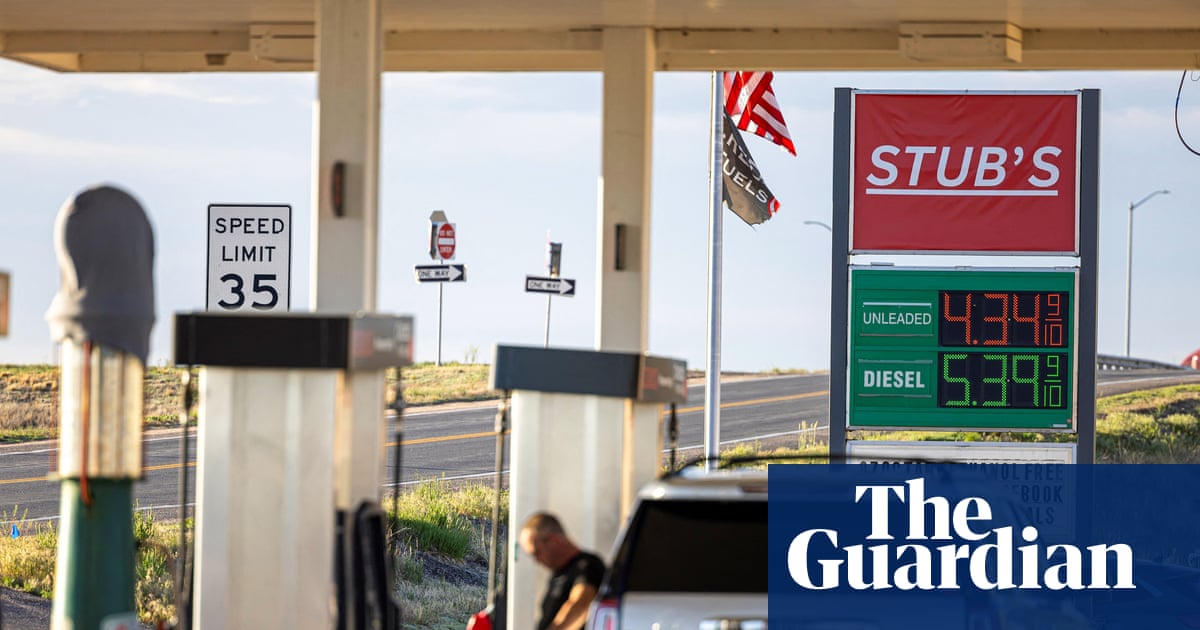
The Federal Reserve’s preferred inflation gauge rose to a new three-year high in May as gas prices peaked, a sign rising costs could pose political problems for Donald Trump and his political party as midterm elections near.
Consumer prices rose 4.1% in May from a year earlier, the US commerce department said Thursday, the largest annual increase since April 2023. On a monthly basis, inflation was 0.4% last month, matching April’s increase and down from 0.7% in March.
The increase was largely driven by more expensive gas, as well as pricier semiconductors and other computer equipment that are in high demand for the AI buildout. Rising prices have caused the inflation-fighters at the Federal Reserve to keep their key rate unchanged this year, a reversal from January when they had penciled in two cuts . Some economists forecast the central bank could lift rates this year instead.
New Fed chair Kevin Warsh last week underscored the central bank’s determination to drive inflation back to its 2% target, but he gave no sign of what steps the Fed might take. Some economists, however, now expect the central bank to increase rates this year. Those expectations upended US markets this week, hammering fast-growing sectors like tech.
Oil and gas prices have fallen substantially since Trump agreed to a peace deal with Iran, but the conflict lifted gas prices to nearly $4.50 a gallon on average nationwide last month. They have since fallen back to $3.92 as of Thursday, according to AAA , but that’s more than 20% above prices at this time last year as the driving season gets underway.
Thursday’s report also showed that consumer spending rose at a solid pace. Adjusted for inflation, spending rose 0.3% from April to May.
And incomes, adjusted for inflation, rose for the first time in four months, picking up 0.3%, which could bolster consumer spending in coming months.
Inflation has been above the Fed’s 2% target for more than five years, leaving many Americans more gloomy about the future. Mark Vitner, chief economist at Piedmont Crescent Capital, points out that inflation hadn’t topped 2.5% for nearly a decade before the pandemic, likely making the inflation spikes since then even harder to accept for most households.
after newsletter promotion
Thursday’s report covers the personal consumption expenditures price index, a lesser-known measure compared to the consumer price index, which was released earlier this month and showed a similarly large increase. The Fed prefers the PCE index because it puts less weight on housing and also reflects changes in how Americans shop when prices rise, such as when consumers buy cheaper off-brand items.
Read the full story at The Guardian ↗
The Federal Reserve's preferred measure of inflation rose to 4.1% year-over-year in May, the highest in three years. Monthly inflation held at 0.4%, down from March's 0.7%. Rising gas prices—which peaked near $4.50 per gallon before falling to $3.92 by week's end—and increased costs for semiconductors and computer equipment drove the increase. The Fed has maintained its key interest rate unchanged this year, having previously expected to cut rates. New Fed Chair Kevin Warsh reiterated commitment to the Fed's 2% inflation target, though the central bank has not specified what actions it might take. Notably, consumer spending rose at a solid pace when adjusted for inflation, and real incomes rose for the first time in four months. Inflation has remained above 2% for more than five years, which economists note is historically unusual.
Read the full story at The Guardian ↗
The Federal Reserve’s preferred inflation gauge rose to a new three-year high in May as gas prices peaked, a sign rising costs could pose political problems for Donald Trump and his political party as midterm elections near.
Consumer prices rose 4.1% in May from a year earlier, the US commerce department said Thursday, the largest annual increase since April 2023. On a monthly basis, inflation was 0.4% last month, matching April’s increase and down from 0.7% in March.
The increase was largely driven by more expensive gas, as well as pricier semiconductors and other computer equipment that are in high demand for the AI buildout. Rising prices have caused the inflation-fighters at the Federal Reserve to keep their key rate unchanged this year, a reversal from January when they had penciled in two cuts . Some economists forecast the central bank could lift rates this year instead.
New Fed chair Kevin Warsh last week underscored the central bank’s determination to drive inflation back to its 2% target, but he gave no sign of what steps the Fed might take. Some economists, however, now expect the central bank to increase rates this year. Those expectations upended US markets this week, hammering fast-growing sectors like tech.
Oil and gas prices have fallen substantially since Trump agreed to a peace deal with Iran, but the conflict lifted gas prices to nearly $4.50 a gallon on average nationwide last month. They have since fallen back to $3.92 as of Thursday, according to AAA , but that’s more than 20% above prices at this time last year as the driving season gets underway.
Thursday’s report also showed that consumer spending rose at a solid pace. Adjusted for inflation, spending rose 0.3% from April to May.
And incomes, adjusted for inflation, rose for the first time in four months, picking up 0.3%, which could bolster consumer spending in coming months.
Inflation has been above the Fed’s 2% target for more than five years, leaving many Americans more gloomy about the future. Mark Vitner, chief economist at Piedmont Crescent Capital, points out that inflation hadn’t topped 2.5% for nearly a decade before the pandemic, likely making the inflation spikes since then even harder to accept for most households.
after newsletter promotion
Thursday’s report covers the personal consumption expenditures price index, a lesser-known measure compared to the consumer price index, which was released earlier this month and showed a similarly large increase. The Fed prefers the PCE index because it puts less weight on housing and also reflects changes in how Americans shop when prices rise, such as when consumers buy cheaper off-brand items.
Read the full story at The Guardian ↗
The Federal Reserve's preferred inflation gauge rose to 4.1% year-over-year in May, the largest annual increase since April 2023 On a monthly basis, inflation was 0.4% in May, matching April and down from 0.7% in March Gas prices peaked near $4.50 per gallon during the month and were $3.92 as of Thursday, more than 20% above year-ago prices The increase was driven by more expensive gas and pricier semiconductors and computer equipment in high demand for AI buildout The Federal Reserve has kept its key rate unchanged this year, reversing January expectations of two cuts New Fed Chair Kevin Warsh underscored the central bank's determination to drive inflation back to its 2% target Some economists forecast the central bank could lift rates this year instead of cutting them Consumer spending rose 0.3% from April to May when adjusted for inflation Real incomes rose 0.3% in May, the first increase in four months Inflation has been above the Fed's 2% target for more than five years Inflation hadn't topped 2.5% for nearly a decade before the pandemic, likely making recent inflation spikes harder to accept for most households
Read the full story at The Guardian ↗
- The Federal Reserve's preferred inflation gauge (PCE index) reached a three-year high of 4.1% annual inflation in May 2024
- Gas prices peaked near $4.50 per gallon during the month, driven partly by geopolitical factors, and remain 20% above year-ago levels
- The Fed has held interest rates unchanged this year despite inflation remaining more than double its 2% target for over five years
- Consumer spending and real incomes both showed modest growth in May
- Some economists now expect the Fed could raise rates this year, reversing earlier expectations of cuts