Liberal plan to split Victorian appeals court attacked as ‘thought bubble’ that would politicise judiciary
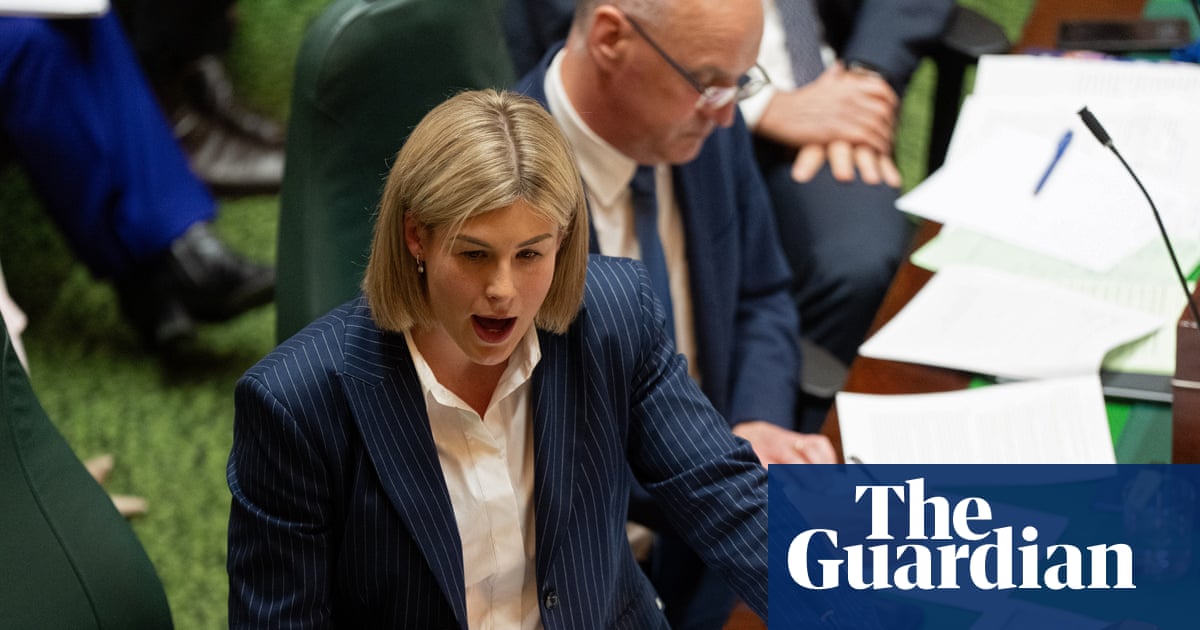
A radical overhaul of Victoria’s highest court, proposed by the Liberal party to increase sentences, has been criticised by legal and human rights groups who warn it would politicise the judiciary.
The opposition leader, Jess Wilson, on Sunday announced that if elected in November the Coalition would split the court of appeal in two, creating a dedicated court of criminal appeal alongside a separate court of civil appeal.
It would appoint additional judges with expertise in criminal law to the new court of criminal appeal.
The overhaul would be introduced alongside tougher bail and sentencing laws, which the Coalition has committed to enacting before the end of the year if it wins government.
Together, the measures would help set new legal precedents which the Coalition said would ultimately lead to tougher sentences for serious offences.
“It’s time for a new approach,” Wilson said on Sunday. “Our new criminal court will empower specialist criminal law judges to ensure sentencing of criminals meet community expectations. Each sentence they hand down will form part of case law going forward, helping to establish appropriate consequences for criminal actions.
In Victoria, judges are appointed by the governor on the recommendation of the attorney general. The shadow attorney general, James Newbury, said “nothing will change” about that process, though a “strong background in criminal matters will be a key focus” when making appointments.
“[It] will mean that criminal matters are dealt with by specialist judges who will be tough on crime, who will be tough on criminal offences,” he said.
Newbury said he had “consulted in a way that Victorians would expect” with judges and the courts about the policy, though he said it would be inappropriate to discuss the consultation publicly.
Legal and human rights groups, however, have criticised the proposal.
Gemma Cafarella, the president of Liberty Victoria, described it as a “dangerous and ignorant thought bubble designed without the input of experts”.
She said in “properly functioning democracies” parliaments make the laws and courts apply them, with the two systems kept seperate.
“Governments shouldn’t choose judges to get the outcomes they want,” Cafarella said. “This is a move that would politicise the criminal courts, and it must be rejected.”
She said the comments by the Coalition were by implication an “appalling political attack on the work of court of appeal judges”.
The Australian Lawyers Alliance criminal justice spokesperson, Greg Barns SC, said there was “no clear evidence” the court of appeal structure was failing, “aside from the longstanding issue of underfunding”.
after newsletter promotion
“This is a disturbing example of the risk of undermining the independence of the judiciary,” he said. “It sends a signal that the opposition is willing to interfere with judicial independence for political purposes.”
The Alliance’s director, Susan Accary, said they were “not persuaded” splitting the courts would improve the quality of justice or address delays in the system.
Tom Ballantyne, president of the Law Institute of Victoria, said it was unclear how the proposal “adds anything” to the court of appeal, as it “already has access to numerous judges with extensive criminal expertise”.
“Anything that could undermine the independence of the courts and its judges could have significant consequences and would be a significant concern to the community,” he said.
Earlier this month One Nation’s Victorian leader, Warren Pickering, said the party wanted to make “bleeding heart judges accountable” and “get rid” of those he believes fail to meet community expectations.
Crime continues to be a major issue in the lead-up to the November election, with the Labor government having already passed controversial “adult time for violent crime” and tougher bail laws. It is also undertaking a review of sentencing.
The premier, Ben Carroll, on Sunday said the new policy showed the Liberal party was “floundering”.
He questioned how the opposition could “rewrite case law overnight”.
“It shows you the Liberal party today have no legal expertise,” Carroll said.
Read the full story at The Guardian ↗
Opposition leader Jess Wilson says new dedicated court of criminal appeal would set precedents for tougher sentences. Get our breaking news email , free app or daily news podcast.…
This lens runs the verified story through Cinnamon's AI — wired in the next step.
A radical overhaul of Victoria’s highest court, proposed by the Liberal party to increase sentences, has been criticised by legal and human rights groups who warn it would politicise the judiciary.
The opposition leader, Jess Wilson, on Sunday announced that if elected in November the Coalition would split the court of appeal in two, creating a dedicated court of criminal appeal alongside a separate court of civil appeal.
It would appoint additional judges with expertise in criminal law to the new court of criminal appeal.
The overhaul would be introduced alongside tougher bail and sentencing laws, which the Coalition has committed to enacting before the end of the year if it wins government.
Together, the measures would help set new legal precedents which the Coalition said would ultimately lead to tougher sentences for serious offences.
“It’s time for a new approach,” Wilson said on Sunday. “Our new criminal court will empower specialist criminal law judges to ensure sentencing of criminals meet community expectations. Each sentence they hand down will form part of case law going forward, helping to establish appropriate consequences for criminal actions.
In Victoria, judges are appointed by the governor on the recommendation of the attorney general. The shadow attorney general, James Newbury, said “nothing will change” about that process, though a “strong background in criminal matters will be a key focus” when making appointments.
“[It] will mean that criminal matters are dealt with by specialist judges who will be tough on crime, who will be tough on criminal offences,” he said.
Newbury said he had “consulted in a way that Victorians would expect” with judges and the courts about the policy, though he said it would be inappropriate to discuss the consultation publicly.
Legal and human rights groups, however, have criticised the proposal.
Gemma Cafarella, the president of Liberty Victoria, described it as a “dangerous and ignorant thought bubble designed without the input of experts”.
She said in “properly functioning democracies” parliaments make the laws and courts apply them, with the two systems kept seperate.
“Governments shouldn’t choose judges to get the outcomes they want,” Cafarella said. “This is a move that would politicise the criminal courts, and it must be rejected.”
She said the comments by the Coalition were by implication an “appalling political attack on the work of court of appeal judges”.
The Australian Lawyers Alliance criminal justice spokesperson, Greg Barns SC, said there was “no clear evidence” the court of appeal structure was failing, “aside from the longstanding issue of underfunding”.
after newsletter promotion
“This is a disturbing example of the risk of undermining the independence of the judiciary,” he said. “It sends a signal that the opposition is willing to interfere with judicial independence for political purposes.”
The Alliance’s director, Susan Accary, said they were “not persuaded” splitting the courts would improve the quality of justice or address delays in the system.
Tom Ballantyne, president of the Law Institute of Victoria, said it was unclear how the proposal “adds anything” to the court of appeal, as it “already has access to numerous judges with extensive criminal expertise”.
“Anything that could undermine the independence of the courts and its judges could have significant consequences and would be a significant concern to the community,” he said.
Earlier this month One Nation’s Victorian leader, Warren Pickering, said the party wanted to make “bleeding heart judges accountable” and “get rid” of those he believes fail to meet community expectations.
Crime continues to be a major issue in the lead-up to the November election, with the Labor government having already passed controversial “adult time for violent crime” and tougher bail laws. It is also undertaking a review of sentencing.
The premier, Ben Carroll, on Sunday said the new policy showed the Liberal party was “floundering”.
He questioned how the opposition could “rewrite case law overnight”.
“It shows you the Liberal party today have no legal expertise,” Carroll said.
Read the full story at The Guardian ↗
A radical overhaul of Victoria’s highest court, proposed by the Liberal party to increase sentences, has been criticised by legal and human rights groups who warn it would politicise the judiciary.
The opposition leader, Jess Wilson, on Sunday announced that if elected in November the Coalition would split the court of appeal in two, creating a dedicated court of criminal appeal alongside a separate court of civil appeal.
It would appoint additional judges with expertise in criminal law to the new court of criminal appeal.
The overhaul would be introduced alongside tougher bail and sentencing laws, which the Coalition has committed to enacting before the end of the year if it wins government.
Together, the measures would help set new legal precedents which the Coalition said would ultimately lead to tougher sentences for serious offences.
“It’s time for a new approach,” Wilson said on Sunday. “Our new criminal court will empower specialist criminal law judges to ensure sentencing of criminals meet community expectations. Each sentence they hand down will form part of case law going forward, helping to establish appropriate consequences for criminal actions.
In Victoria, judges are appointed by the governor on the recommendation of the attorney general. The shadow attorney general, James Newbury, said “nothing will change” about that process, though a “strong background in criminal matters will be a key focus” when making appointments.
“[It] will mean that criminal matters are dealt with by specialist judges who will be tough on crime, who will be tough on criminal offences,” he said.
Newbury said he had “consulted in a way that Victorians would expect” with judges and the courts about the policy, though he said it would be inappropriate to discuss the consultation publicly.
Legal and human rights groups, however, have criticised the proposal.
Gemma Cafarella, the president of Liberty Victoria, described it as a “dangerous and ignorant thought bubble designed without the input of experts”.
She said in “properly functioning democracies” parliaments make the laws and courts apply them, with the two systems kept seperate.
“Governments shouldn’t choose judges to get the outcomes they want,” Cafarella said. “This is a move that would politicise the criminal courts, and it must be rejected.”
She said the comments by the Coalition were by implication an “appalling political attack on the work of court of appeal judges”.
The Australian Lawyers Alliance criminal justice spokesperson, Greg Barns SC, said there was “no clear evidence” the court of appeal structure was failing, “aside from the longstanding issue of underfunding”.
after newsletter promotion
“This is a disturbing example of the risk of undermining the independence of the judiciary,” he said. “It sends a signal that the opposition is willing to interfere with judicial independence for political purposes.”
The Alliance’s director, Susan Accary, said they were “not persuaded” splitting the courts would improve the quality of justice or address delays in the system.
Tom Ballantyne, president of the Law Institute of Victoria, said it was unclear how the proposal “adds anything” to the court of appeal, as it “already has access to numerous judges with extensive criminal expertise”.
“Anything that could undermine the independence of the courts and its judges could have significant consequences and would be a significant concern to the community,” he said.
Earlier this month One Nation’s Victorian leader, Warren Pickering, said the party wanted to make “bleeding heart judges accountable” and “get rid” of those he believes fail to meet community expectations.
Crime continues to be a major issue in the lead-up to the November election, with the Labor government having already passed controversial “adult time for violent crime” and tougher bail laws. It is also undertaking a review of sentencing.
The premier, Ben Carroll, on Sunday said the new policy showed the Liberal party was “floundering”.
He questioned how the opposition could “rewrite case law overnight”.
“It shows you the Liberal party today have no legal expertise,” Carroll said.
Read the full story at The Guardian ↗
This lens runs the verified story through Cinnamon's AI — wired in the next step.
- Opposition leader Jess Wilson says new dedicated court of criminal appeal would set precedents for tougher sentences.
- Get our breaking news email , free app or daily news podcast.…