Nearly 1,500 properties bought using Australia’s first home buyers' 5% deposit scheme converted into investments
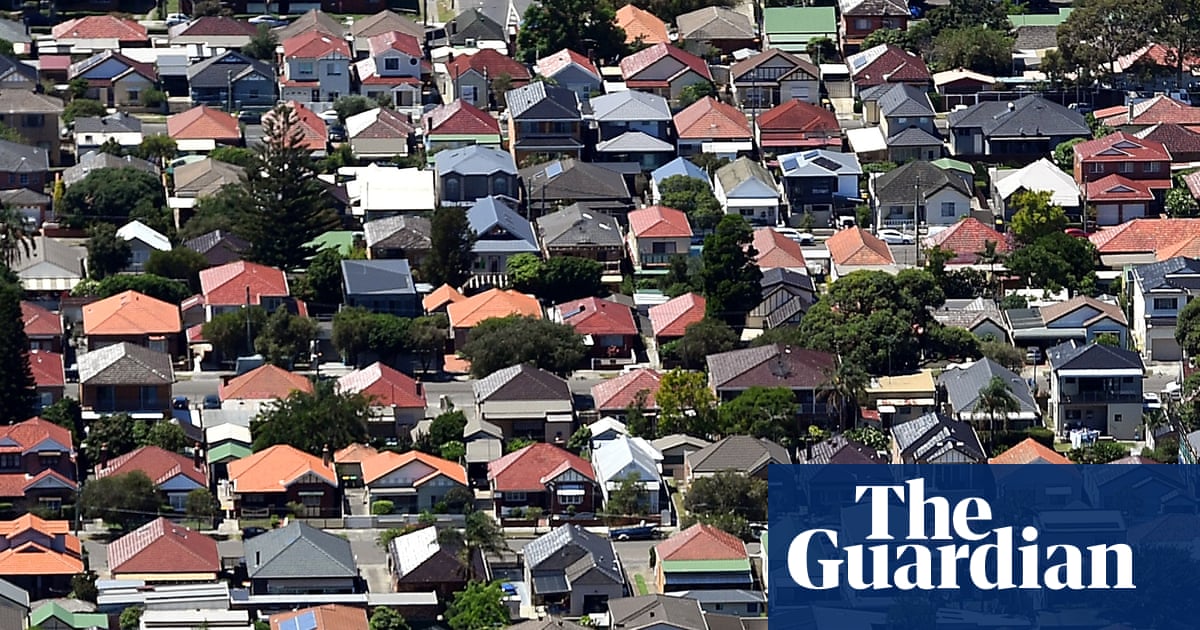
The government’s 5% deposit scheme for first home buyers has enabled the purchase of nearly 1,500 properties that were turned into investments, new data shows.
The scheme is also helping hundreds of Australians earning more than $300,000 a year, after Labor stopped excluding high-income borrowers.
First-time buyers can borrow 95% of a property’s value and have the government guarantee the loan, waiving costly lenders’ mortgage insurance, under the scheme.
Housing Australia, which runs the program, provided the data in response to a Senate estimates question on notice in June.
From its launch in 2020 until May 2026, the scheme released 1,486 homes because they were converted into investment properties, the agency said.
The conversions were a small proportion of the 208,000 total guarantees issued over that time.
Barbara Pocock, the Greens’ housing spokesperson, said the scheme was supposed to help first home buyers on lower incomes to get a roof over their heads.
“It shouldn’t benefit the wealthy and property investors,” Pocock said.
Guardian Australia asked the housing minister, Clare O’Neil, whether investment purchases were undermining the scheme’s intention.
A spokesperson said: “When a participant transitions out of the scheme, and the government is no longer guaranteeing their mortgage, the owner is entitled to decide what they do with their home.”
If buyers stop living in the property, they are no longer covered by the guarantee and must negotiate with their bank but are not forced to sell or refinance.
Bob Tasevski, a Mortgage Choice broker, said buyers would typically try to avoid being forced off the guarantee as their bank would probably charge them the unpaid lender’s mortgage insurance.
“Banks generally wouldn’t waive that unless there’s a special reason for it,” Tasevksi said.
NAB’s executive for home ownership, Lin Lu, said the bank asked customers to advise if their circumstances changed.
“When this occurs, we’ll work with them to understand their individual situation and discuss the options available to them,” Lu said.
The government did not directly answer when asked if it could rule out the prospect of more 5% scheme buyers fraudulently renting out their purchases without notifying lenders or the government.
A spokesperson said Housing Australia monitored rental listings, property datasets, participants’ transaction activity and changes to addresses to ensure properties remained owner-occupied.
The Albanese government amended the scheme so it no longer excluded high-income earners in October 2025. Since then, it had enabled more than 5,600 home purchases each month on average, compared with just over 3,400 the year before.
after newsletter promotion
Prices of homes eligible for the scheme have since risen faster – and fallen more slowly – than the rest of the market.
Guardian Australia in July revealed one in three new participants was earning above the scheme’s previous annual income caps of $125,000 for singles and $200,000 for couples.
The new data shows the scheme had been used by 155 singles earning more than $300,000 and 92 couples earning over $400,000. The highest-earning recipient was a couple on more than $674,000.
The treasurer, Jim Chalmers, dismissed criticism of high-earners’ access on the ABC on Monday.
“There are some markets around the country, where people, even on relatively good incomes, have found it difficult to get a toehold in the market,” Chalmers said.
Participants in the scheme are in strong financial positions, with 89% ahead on their repayments, according to Housing Australia’s data. They were less likely to fall behind on loans than the average homebuyer.
Since the scheme began, 1,392 guarantees of the 207,000 had fallen more than 90 days behind on their loan and 436 of those were still in arrears by May.
Of the 45,300 homes bought under the scheme from its expansion up to May, just two households were in arrears, a separate answer revealed.
The government has only had to foot the bill on 13 defaults over the lifetime of the scheme, at a total cost of $604,537. Most of those claims emerged in the last 12 months.
While rising interest rates and falling house prices have added to the risk of defaults, fewer than 1% of all home borrowers across the country are in negative equity.
Do you know more? Email luca.ittimani@theguardian.com
Read the full story at The Guardian ↗ · The Guardian ↗ · The Guardian ↗
New data shows the federal government scheme has been used by high-income borrowers, including one couple earning an annual $674,000. Get our breaking news email , free app or…
This lens runs the verified story through Cinnamon's AI — wired in the next step.
The government’s 5% deposit scheme for first home buyers has enabled the purchase of nearly 1,500 properties that were turned into investments, new data shows.
The scheme is also helping hundreds of Australians earning more than $300,000 a year, after Labor stopped excluding high-income borrowers.
First-time buyers can borrow 95% of a property’s value and have the government guarantee the loan, waiving costly lenders’ mortgage insurance, under the scheme.
Housing Australia, which runs the program, provided the data in response to a Senate estimates question on notice in June.
From its launch in 2020 until May 2026, the scheme released 1,486 homes because they were converted into investment properties, the agency said.
The conversions were a small proportion of the 208,000 total guarantees issued over that time.
Barbara Pocock, the Greens’ housing spokesperson, said the scheme was supposed to help first home buyers on lower incomes to get a roof over their heads.
“It shouldn’t benefit the wealthy and property investors,” Pocock said.
Guardian Australia asked the housing minister, Clare O’Neil, whether investment purchases were undermining the scheme’s intention.
A spokesperson said: “When a participant transitions out of the scheme, and the government is no longer guaranteeing their mortgage, the owner is entitled to decide what they do with their home.”
If buyers stop living in the property, they are no longer covered by the guarantee and must negotiate with their bank but are not forced to sell or refinance.
Bob Tasevski, a Mortgage Choice broker, said buyers would typically try to avoid being forced off the guarantee as their bank would probably charge them the unpaid lender’s mortgage insurance.
“Banks generally wouldn’t waive that unless there’s a special reason for it,” Tasevksi said.
NAB’s executive for home ownership, Lin Lu, said the bank asked customers to advise if their circumstances changed.
“When this occurs, we’ll work with them to understand their individual situation and discuss the options available to them,” Lu said.
The government did not directly answer when asked if it could rule out the prospect of more 5% scheme buyers fraudulently renting out their purchases without notifying lenders or the government.
A spokesperson said Housing Australia monitored rental listings, property datasets, participants’ transaction activity and changes to addresses to ensure properties remained owner-occupied.
The Albanese government amended the scheme so it no longer excluded high-income earners in October 2025. Since then, it had enabled more than 5,600 home purchases each month on average, compared with just over 3,400 the year before.
after newsletter promotion
Prices of homes eligible for the scheme have since risen faster – and fallen more slowly – than the rest of the market.
Guardian Australia in July revealed one in three new participants was earning above the scheme’s previous annual income caps of $125,000 for singles and $200,000 for couples.
The new data shows the scheme had been used by 155 singles earning more than $300,000 and 92 couples earning over $400,000. The highest-earning recipient was a couple on more than $674,000.
The treasurer, Jim Chalmers, dismissed criticism of high-earners’ access on the ABC on Monday.
“There are some markets around the country, where people, even on relatively good incomes, have found it difficult to get a toehold in the market,” Chalmers said.
Participants in the scheme are in strong financial positions, with 89% ahead on their repayments, according to Housing Australia’s data. They were less likely to fall behind on loans than the average homebuyer.
Since the scheme began, 1,392 guarantees of the 207,000 had fallen more than 90 days behind on their loan and 436 of those were still in arrears by May.
Of the 45,300 homes bought under the scheme from its expansion up to May, just two households were in arrears, a separate answer revealed.
The government has only had to foot the bill on 13 defaults over the lifetime of the scheme, at a total cost of $604,537. Most of those claims emerged in the last 12 months.
While rising interest rates and falling house prices have added to the risk of defaults, fewer than 1% of all home borrowers across the country are in negative equity.
Do you know more? Email luca.ittimani@theguardian.com
Read the full story at The Guardian ↗ · The Guardian ↗ · The Guardian ↗
The government’s 5% deposit scheme for first home buyers has enabled the purchase of nearly 1,500 properties that were turned into investments, new data shows.
The scheme is also helping hundreds of Australians earning more than $300,000 a year, after Labor stopped excluding high-income borrowers.
First-time buyers can borrow 95% of a property’s value and have the government guarantee the loan, waiving costly lenders’ mortgage insurance, under the scheme.
Housing Australia, which runs the program, provided the data in response to a Senate estimates question on notice in June.
From its launch in 2020 until May 2026, the scheme released 1,486 homes because they were converted into investment properties, the agency said.
The conversions were a small proportion of the 208,000 total guarantees issued over that time.
Barbara Pocock, the Greens’ housing spokesperson, said the scheme was supposed to help first home buyers on lower incomes to get a roof over their heads.
“It shouldn’t benefit the wealthy and property investors,” Pocock said.
Guardian Australia asked the housing minister, Clare O’Neil, whether investment purchases were undermining the scheme’s intention.
A spokesperson said: “When a participant transitions out of the scheme, and the government is no longer guaranteeing their mortgage, the owner is entitled to decide what they do with their home.”
If buyers stop living in the property, they are no longer covered by the guarantee and must negotiate with their bank but are not forced to sell or refinance.
Bob Tasevski, a Mortgage Choice broker, said buyers would typically try to avoid being forced off the guarantee as their bank would probably charge them the unpaid lender’s mortgage insurance.
“Banks generally wouldn’t waive that unless there’s a special reason for it,” Tasevksi said.
NAB’s executive for home ownership, Lin Lu, said the bank asked customers to advise if their circumstances changed.
“When this occurs, we’ll work with them to understand their individual situation and discuss the options available to them,” Lu said.
The government did not directly answer when asked if it could rule out the prospect of more 5% scheme buyers fraudulently renting out their purchases without notifying lenders or the government.
A spokesperson said Housing Australia monitored rental listings, property datasets, participants’ transaction activity and changes to addresses to ensure properties remained owner-occupied.
The Albanese government amended the scheme so it no longer excluded high-income earners in October 2025. Since then, it had enabled more than 5,600 home purchases each month on average, compared with just over 3,400 the year before.
after newsletter promotion
Prices of homes eligible for the scheme have since risen faster – and fallen more slowly – than the rest of the market.
Guardian Australia in July revealed one in three new participants was earning above the scheme’s previous annual income caps of $125,000 for singles and $200,000 for couples.
The new data shows the scheme had been used by 155 singles earning more than $300,000 and 92 couples earning over $400,000. The highest-earning recipient was a couple on more than $674,000.
The treasurer, Jim Chalmers, dismissed criticism of high-earners’ access on the ABC on Monday.
“There are some markets around the country, where people, even on relatively good incomes, have found it difficult to get a toehold in the market,” Chalmers said.
Participants in the scheme are in strong financial positions, with 89% ahead on their repayments, according to Housing Australia’s data. They were less likely to fall behind on loans than the average homebuyer.
Since the scheme began, 1,392 guarantees of the 207,000 had fallen more than 90 days behind on their loan and 436 of those were still in arrears by May.
Of the 45,300 homes bought under the scheme from its expansion up to May, just two households were in arrears, a separate answer revealed.
The government has only had to foot the bill on 13 defaults over the lifetime of the scheme, at a total cost of $604,537. Most of those claims emerged in the last 12 months.
While rising interest rates and falling house prices have added to the risk of defaults, fewer than 1% of all home borrowers across the country are in negative equity.
Do you know more? Email luca.ittimani@theguardian.com
Read the full story at The Guardian ↗ · The Guardian ↗ · The Guardian ↗
This lens runs the verified story through Cinnamon's AI — wired in the next step.
- New data shows the federal government scheme has been used by high-income borrowers, including one couple earning an annual $674,000.
- Get our breaking news email , free app or…