New Caledonia polls open in first local vote in the French territory since 2019
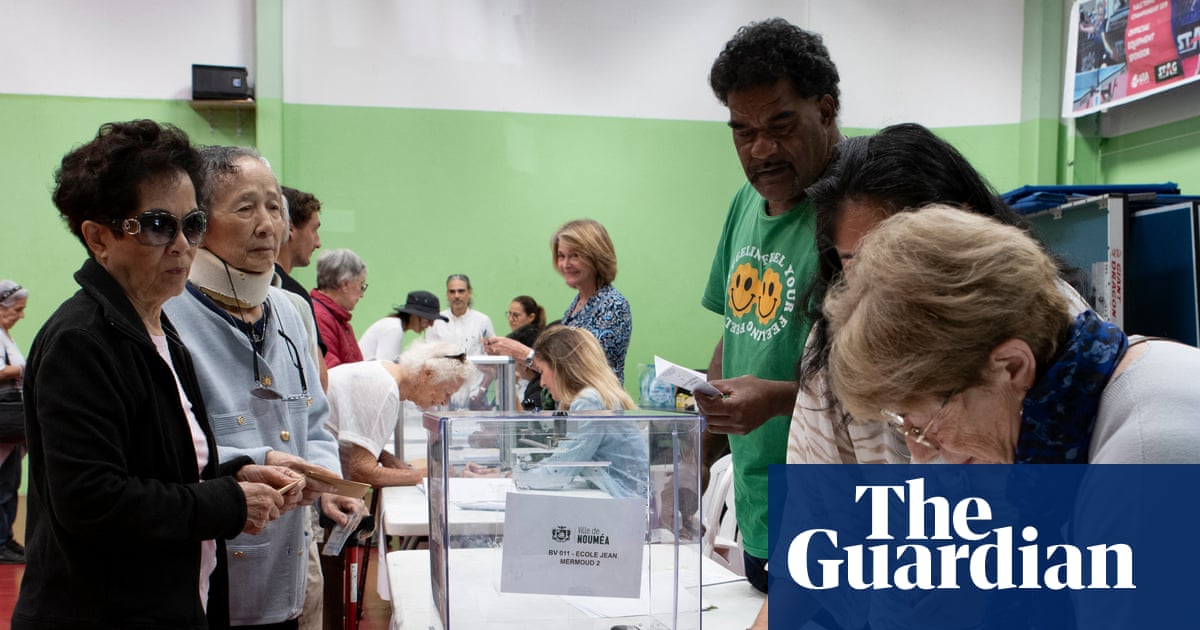 ✓
✓Polls opened in the French overseas territory of New Caledonia on Sunday for the archipelago’s first provincial elections since 2019, after the vote was delayed as talks stalled over its political future.
The election, initially planned for 2024, will determine the balance of power in New Caledonia ahead of fresh negotiations with France on the territory’s status, with independence remaining the defining political issue.
About 192,000 voters will elect 76 councillors for three provincial assemblies – 40 in the South Province, 22 in the North Province and 14 in the Loyalty Islands.
Fifty-four of those elected will become members of the Pacific archipelago’s congress, the territory’s main governing institution and the only body authorised to pass local laws.
Members of congress will then elect up to 11 members to the executive branch known as the collegial government.
The elections come after the main pro-independence group rejected a deal with France intended to bring stability to the overseas territory.
The so-called Bougival Accord would have created a Caledonian state and established a Caledonian nationality enshrined in the French constitution, but would have scrapped any future referendums on independence.
Three referendums held in 2018, 2020 and 2021 returned majorities in favour of remaining part of France, although pro-independence groups boycotted the third vote, which was held during the Covid pandemic.
But the independence movement retains strong support, particularly among the indigenous Melanesian Kanak population.
A law approved in May added about 10,575 previously excluded “native-born” residents to the electoral roll, including more than 4,000 people with so-called “customary civil status”, which denotes Kanaks.
The change increased the number of eligible voters for Sunday’s poll, after the electoral roll had been frozen under a landmark 1998 agreement.
A previous plan to extend voting rights to thousands of non-Indigenous long-term residents sparked deadly riots in 2024.
The election is taking place under close scrutiny more than two years after the violence, which left 14 people dead and caused more than two billion euros worth of damage.
France has deployed about 2,400 law enforcement officers to New Caledonia, where they will stay until mid-July.
The French prime minister, Sebastien Lecornu, has promised negotiations on the overseas territory’s future will resume next month, with the goal of reaching an agreement before the year’s end.
Read the full story at Al Jazeera ↗ · The Guardian ↗
New Caledonia held provincial elections on Sunday to elect 76 councillors for three provincial assemblies. The vote determines the composition of the territory's congress, which holds primary governing authority and will choose members of the executive branch. It represents the first provincial ballot since 2019 and precedes fresh negotiations with France on New Caledonia's political future. The election followed the pro-independence movement's rejection of a French proposal that would have established Caledonian statehood and nationality but eliminated future independence votes. Three previous referendums in 2018, 2020 and 2021 returned majorities favouring continued French association, though pro-independence groups boycotted the third. Electoral changes added approximately 10,575 previously ineligible residents to the roll, including over 4,000 Kanaks. France deployed 2,400 law enforcement officers to maintain security following 2024 unrest that caused significant damage. The French prime minister indicated negotiations on the territory's status would resume the following month, targeting an agreement by year's end.
Read the full story at Al Jazeera ↗ · The Guardian ↗
Polls opened in the French overseas territory of New Caledonia on Sunday for the archipelago’s first provincial elections since 2019, after the vote was delayed as talks stalled over its political future.
The election, initially planned for 2024, will determine the balance of power in New Caledonia ahead of fresh negotiations with France on the territory’s status, with independence remaining the defining political issue.
About 192,000 voters will elect 76 councillors for three provincial assemblies – 40 in the South Province, 22 in the North Province and 14 in the Loyalty Islands.
Fifty-four of those elected will become members of the Pacific archipelago’s congress, the territory’s main governing institution and the only body authorised to pass local laws.
Members of congress will then elect up to 11 members to the executive branch known as the collegial government.
The elections come after the main pro-independence group rejected a deal with France intended to bring stability to the overseas territory.
The so-called Bougival Accord would have created a Caledonian state and established a Caledonian nationality enshrined in the French constitution, but would have scrapped any future referendums on independence.
Three referendums held in 2018, 2020 and 2021 returned majorities in favour of remaining part of France, although pro-independence groups boycotted the third vote, which was held during the Covid pandemic.
But the independence movement retains strong support, particularly among the indigenous Melanesian Kanak population.
A law approved in May added about 10,575 previously excluded “native-born” residents to the electoral roll, including more than 4,000 people with so-called “customary civil status”, which denotes Kanaks.
The change increased the number of eligible voters for Sunday’s poll, after the electoral roll had been frozen under a landmark 1998 agreement.
A previous plan to extend voting rights to thousands of non-Indigenous long-term residents sparked deadly riots in 2024.
The election is taking place under close scrutiny more than two years after the violence, which left 14 people dead and caused more than two billion euros worth of damage.
France has deployed about 2,400 law enforcement officers to New Caledonia, where they will stay until mid-July.
The French prime minister, Sebastien Lecornu, has promised negotiations on the overseas territory’s future will resume next month, with the goal of reaching an agreement before the year’s end.
Read the full story at Al Jazeera ↗ · The Guardian ↗
Polls opened in New Caledonia on Sunday for the archipelago's first provincial elections since 2019 About 192,000 voters elected 76 councillors for three provincial assemblies — 40 in the South Province, 22 in the North Province and 14 in the Loyalty Islands The election will determine the balance of power in New Caledonia ahead of fresh negotiations with France on the territory's status Independence remains the defining political issue The pro-independence movement rejected the Bougival Accord, which would have created a Caledonian state with Caledonian nationality enshrined in the French constitution but scrapped any future referendums on independence Three referendums held in 2018, 2020 and 2021 returned majorities in favour of remaining part of France, although pro-independence groups boycotted the third vote The independence movement retains strong support, particularly among the indigenous Melanesian Kanak population A law approved in May added about 10,575 previously excluded residents to the electoral roll, including more than 4,000 people with customary civil status denoting Kanaks The electoral roll had been frozen under a landmark 1998 agreement A previous plan to extend voting rights to non-Indigenous long-term residents sparked deadly riots in 2024, leaving 14 people dead and causing more than two billion euros worth of damage France deployed about 2,400 law enforcement officers to New Caledonia, where they will remain until mid-July The French prime minister promised negotiations on the territory's future will resume next month, with the goal of reaching an agreement before year's end
Read the full story at Al Jazeera ↗ · The Guardian ↗
- New Caledonia held its first provincial elections since 2019 on Sunday, with about 192,000 voters electing 76 councillors across three provincial assemblies
- The election determines representation ahead of renewed negotiations with France on the territory's political status, with independence remaining the central issue
- Electoral roll changes added roughly 10,575 previously excluded residents, including over 4,000 Kanaks with customary civil status
- The vote follows the pro-independence movement's rejection of the Bougival Accord, which would have granted Caledonian statehood but eliminated future independence referendums
- France has deployed 2,400 law enforcement officers; the prime minister pledged to resume negotiations next month aiming for an agreement by year's end