NSW Greens MP pleads with federal colleagues not to back National party motion to block koala park deal
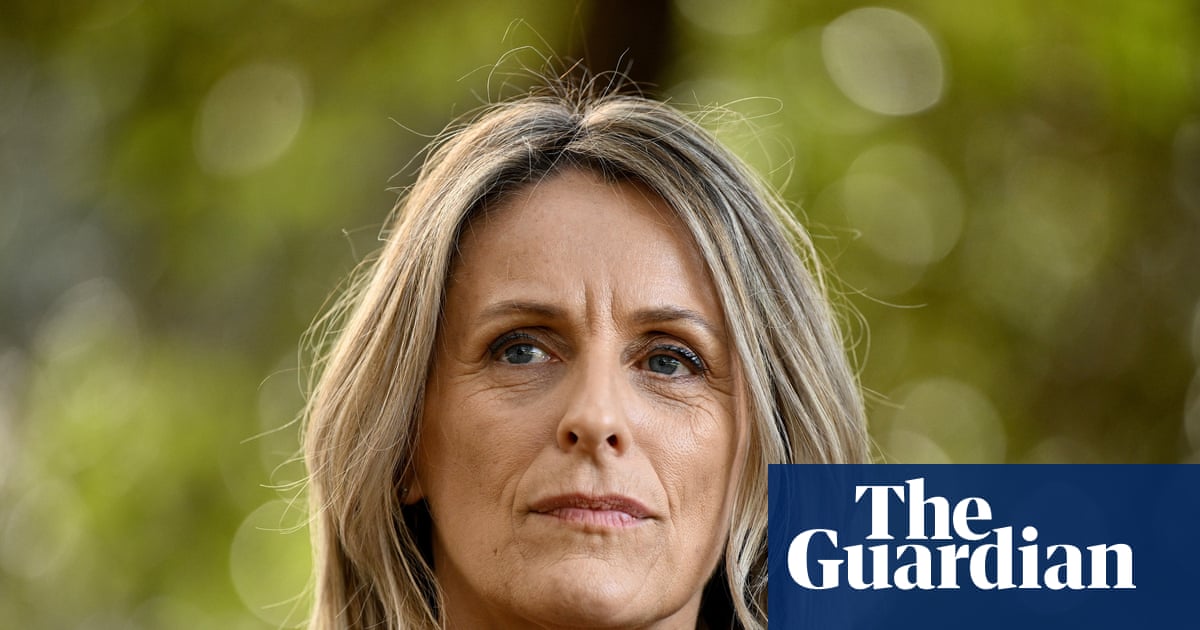
A New South Wales Greens MP has pleaded with her federal colleagues not to vote with the Coalition and One Nation to block a plan for the NSW government to get millions of dollars’ worth in carbon credits for creating a koala national park.
Sue Higginson, a former lawyer and forest campaigner turned NSW upper house MP, is the first member of the minor party to speak in detail about a dispute that has split the Greens and environmentalists.
The disagreement is over a federal regulation, known as a carbon credit method, that allows state governments that protect native forests on public land to earn credits from logging.
The Nationals want to kill the regulation on behalf of the forestry industry through a disallowance motion and a Senate vote is scheduled next week.
The federal Greens will discuss on Tuesday whether to back the pro-logging Nationals’ motion on the grounds the koala park should be created, but not this way.
Among their considerations will be the political fallout for the environmental party if it is accused of standing in the way of a nature protection. None have spoken publicly on the issue.
The meeting follows weeks of lobbying by conservationists, including in full-page newspaper advertisements and email drives. The Australia Institute, which wants the method killed, has declared the issue the “first big climate test” of Larissa Waters’s leadership of the party.
Each Australian carbon credit is said to represent one tonne of greenhouse gas emissions that has been prevented from being released or drawn down from the atmosphere. Their use is contentious, partly because polluting companies can buy an unlimited number of credits – also known as offsets – to count as their own cuts while continuing to pollute.
Peer-reviewed studies have found some existing carbon credit methods have not effectively reduced emissions and scientists say limiting the climate crisis requires rapid direct emissions cuts and offsets should be used sparingly.
Those who want the regulation killed, including the Bob Brown Foundation and the Wilderness Society, say NSW Labor proposed a koala park near Coffs Harbour a decade before announcing it was dependent on carbon credit revenue, and the offsets created would not represent real emissions reductions. They say the method sets a precedent for other state governments to withhold environment protection unless they get carbon credits.
On the other side are NSW conservation and Indigenous groups, national groups including WWF, Greenpeace and the Ken Henry-led Australian Climate and Biodiversity Foundation, and some senior ecologists. They say there is no guarantee the park would go ahead as promised if the method was disallowed, and that critics are too dismissive of what protecting 176,000 hectares of additional forests home to more than 100 threatened species would mean for forests that have been devastated by decades of logging and how hard local campaigners have fought over decades for this win.
Higginson said allowing carbon credits from protecting public forests to be used as offsets polluters was “deeply offensive to me” and that initially opposed what is known as the “improved native forestry method”. Her position shifted after the the method forced a substantial reduction in logging across NSW forests. She said it could “end the native forest logging industry”.
“The numbers that matter most in this fight are how many hectares of forest can we save, how big can we make our national park estate, how many First Nations’ people we can get working on country, how much carbon can we draw down and sequester in our forests as they grow big old, how many fires we can protect our forests from, how many greater gliders, forests owls, swift parrots and koalas we can save and how much can we make climate polluters pay to charge them out of existence,” she said.
Higginson said forestry industry leaders planned a separate, less environmentally friendly carbon credit method that would “lock in native forest logging for many more years and see the generation of carbon credits of far less integrity”.
“I utterly reject that the protection of any forest should be contingent on carbon credits, but this isn’t the question that’s been put in front of the Greens to decide … This is about winning the forests,” she said.
“If our fight is about destroying carbon credits, let’s do that. Let’s tear down the entire system together. [But] the National party’s disallowance will do the opposite of that.”
Higginson’s position is broadly backed by some independent senators, including David Pocock and the former Green Lidia Thorpe. But it puts her on the opposite side of the issue to her mentor, and the person who asked her to run for parliament, the former Australian Greens leader Bob Brown.
Higginson said she was “devastated” when she learned their policy split over the issue given Brown’s legacy, but they continue to campaign together, including at an event for Sydney’s southern forests on Saturday.
Brown said he understood the desperation of “very good people” who believed they had no option other than to support the method, but said the NSW premier, Chris Minns, had broken an election promise and joined Anthony Albanese in “putting capitalism before the environment”.
He said Australia had created about 600 national parks, none before had needed carbon credit revenue and the method would be “letting polluters off the hook”. “It’s absolutely the wrong thing to do,” he said. “My view is if the disallowance motion goes through [Minns] would have to go back to his initial position to protect the park.”
He called on Greens senators “not to be coerced by Labor’s anti-environmental gimmick”. But he said he would still support them if they ultimately disagreed.
“Labor is the villain here,” he said.
Read the full story at The Guardian ↗ · The Guardian ↗ · The Guardian ↗ · The Guardian ↗
Federal Greens partyroom split over plan for NSW to get millions of dollars’ worth in carbon credits for creating a koala national park. Follow our Australia news live blog for…
This lens runs the verified story through Cinnamon's AI — wired in the next step.
A New South Wales Greens MP has pleaded with her federal colleagues not to vote with the Coalition and One Nation to block a plan for the NSW government to get millions of dollars’ worth in carbon credits for creating a koala national park.
Sue Higginson, a former lawyer and forest campaigner turned NSW upper house MP, is the first member of the minor party to speak in detail about a dispute that has split the Greens and environmentalists.
The disagreement is over a federal regulation, known as a carbon credit method, that allows state governments that protect native forests on public land to earn credits from logging.
The Nationals want to kill the regulation on behalf of the forestry industry through a disallowance motion and a Senate vote is scheduled next week.
The federal Greens will discuss on Tuesday whether to back the pro-logging Nationals’ motion on the grounds the koala park should be created, but not this way.
Among their considerations will be the political fallout for the environmental party if it is accused of standing in the way of a nature protection. None have spoken publicly on the issue.
The meeting follows weeks of lobbying by conservationists, including in full-page newspaper advertisements and email drives. The Australia Institute, which wants the method killed, has declared the issue the “first big climate test” of Larissa Waters’s leadership of the party.
Each Australian carbon credit is said to represent one tonne of greenhouse gas emissions that has been prevented from being released or drawn down from the atmosphere. Their use is contentious, partly because polluting companies can buy an unlimited number of credits – also known as offsets – to count as their own cuts while continuing to pollute.
Peer-reviewed studies have found some existing carbon credit methods have not effectively reduced emissions and scientists say limiting the climate crisis requires rapid direct emissions cuts and offsets should be used sparingly.
Those who want the regulation killed, including the Bob Brown Foundation and the Wilderness Society, say NSW Labor proposed a koala park near Coffs Harbour a decade before announcing it was dependent on carbon credit revenue, and the offsets created would not represent real emissions reductions. They say the method sets a precedent for other state governments to withhold environment protection unless they get carbon credits.
On the other side are NSW conservation and Indigenous groups, national groups including WWF, Greenpeace and the Ken Henry-led Australian Climate and Biodiversity Foundation, and some senior ecologists. They say there is no guarantee the park would go ahead as promised if the method was disallowed, and that critics are too dismissive of what protecting 176,000 hectares of additional forests home to more than 100 threatened species would mean for forests that have been devastated by decades of logging and how hard local campaigners have fought over decades for this win.
Higginson said allowing carbon credits from protecting public forests to be used as offsets polluters was “deeply offensive to me” and that initially opposed what is known as the “improved native forestry method”. Her position shifted after the the method forced a substantial reduction in logging across NSW forests. She said it could “end the native forest logging industry”.
“The numbers that matter most in this fight are how many hectares of forest can we save, how big can we make our national park estate, how many First Nations’ people we can get working on country, how much carbon can we draw down and sequester in our forests as they grow big old, how many fires we can protect our forests from, how many greater gliders, forests owls, swift parrots and koalas we can save and how much can we make climate polluters pay to charge them out of existence,” she said.
Higginson said forestry industry leaders planned a separate, less environmentally friendly carbon credit method that would “lock in native forest logging for many more years and see the generation of carbon credits of far less integrity”.
“I utterly reject that the protection of any forest should be contingent on carbon credits, but this isn’t the question that’s been put in front of the Greens to decide … This is about winning the forests,” she said.
“If our fight is about destroying carbon credits, let’s do that. Let’s tear down the entire system together. [But] the National party’s disallowance will do the opposite of that.”
Higginson’s position is broadly backed by some independent senators, including David Pocock and the former Green Lidia Thorpe. But it puts her on the opposite side of the issue to her mentor, and the person who asked her to run for parliament, the former Australian Greens leader Bob Brown.
Higginson said she was “devastated” when she learned their policy split over the issue given Brown’s legacy, but they continue to campaign together, including at an event for Sydney’s southern forests on Saturday.
Brown said he understood the desperation of “very good people” who believed they had no option other than to support the method, but said the NSW premier, Chris Minns, had broken an election promise and joined Anthony Albanese in “putting capitalism before the environment”.
He said Australia had created about 600 national parks, none before had needed carbon credit revenue and the method would be “letting polluters off the hook”. “It’s absolutely the wrong thing to do,” he said. “My view is if the disallowance motion goes through [Minns] would have to go back to his initial position to protect the park.”
He called on Greens senators “not to be coerced by Labor’s anti-environmental gimmick”. But he said he would still support them if they ultimately disagreed.
“Labor is the villain here,” he said.
Read the full story at The Guardian ↗ · The Guardian ↗ · The Guardian ↗ · The Guardian ↗
A New South Wales Greens MP has pleaded with her federal colleagues not to vote with the Coalition and One Nation to block a plan for the NSW government to get millions of dollars’ worth in carbon credits for creating a koala national park.
Sue Higginson, a former lawyer and forest campaigner turned NSW upper house MP, is the first member of the minor party to speak in detail about a dispute that has split the Greens and environmentalists.
The disagreement is over a federal regulation, known as a carbon credit method, that allows state governments that protect native forests on public land to earn credits from logging.
The Nationals want to kill the regulation on behalf of the forestry industry through a disallowance motion and a Senate vote is scheduled next week.
The federal Greens will discuss on Tuesday whether to back the pro-logging Nationals’ motion on the grounds the koala park should be created, but not this way.
Among their considerations will be the political fallout for the environmental party if it is accused of standing in the way of a nature protection. None have spoken publicly on the issue.
The meeting follows weeks of lobbying by conservationists, including in full-page newspaper advertisements and email drives. The Australia Institute, which wants the method killed, has declared the issue the “first big climate test” of Larissa Waters’s leadership of the party.
Each Australian carbon credit is said to represent one tonne of greenhouse gas emissions that has been prevented from being released or drawn down from the atmosphere. Their use is contentious, partly because polluting companies can buy an unlimited number of credits – also known as offsets – to count as their own cuts while continuing to pollute.
Peer-reviewed studies have found some existing carbon credit methods have not effectively reduced emissions and scientists say limiting the climate crisis requires rapid direct emissions cuts and offsets should be used sparingly.
Those who want the regulation killed, including the Bob Brown Foundation and the Wilderness Society, say NSW Labor proposed a koala park near Coffs Harbour a decade before announcing it was dependent on carbon credit revenue, and the offsets created would not represent real emissions reductions. They say the method sets a precedent for other state governments to withhold environment protection unless they get carbon credits.
On the other side are NSW conservation and Indigenous groups, national groups including WWF, Greenpeace and the Ken Henry-led Australian Climate and Biodiversity Foundation, and some senior ecologists. They say there is no guarantee the park would go ahead as promised if the method was disallowed, and that critics are too dismissive of what protecting 176,000 hectares of additional forests home to more than 100 threatened species would mean for forests that have been devastated by decades of logging and how hard local campaigners have fought over decades for this win.
Higginson said allowing carbon credits from protecting public forests to be used as offsets polluters was “deeply offensive to me” and that initially opposed what is known as the “improved native forestry method”. Her position shifted after the the method forced a substantial reduction in logging across NSW forests. She said it could “end the native forest logging industry”.
“The numbers that matter most in this fight are how many hectares of forest can we save, how big can we make our national park estate, how many First Nations’ people we can get working on country, how much carbon can we draw down and sequester in our forests as they grow big old, how many fires we can protect our forests from, how many greater gliders, forests owls, swift parrots and koalas we can save and how much can we make climate polluters pay to charge them out of existence,” she said.
Higginson said forestry industry leaders planned a separate, less environmentally friendly carbon credit method that would “lock in native forest logging for many more years and see the generation of carbon credits of far less integrity”.
“I utterly reject that the protection of any forest should be contingent on carbon credits, but this isn’t the question that’s been put in front of the Greens to decide … This is about winning the forests,” she said.
“If our fight is about destroying carbon credits, let’s do that. Let’s tear down the entire system together. [But] the National party’s disallowance will do the opposite of that.”
Higginson’s position is broadly backed by some independent senators, including David Pocock and the former Green Lidia Thorpe. But it puts her on the opposite side of the issue to her mentor, and the person who asked her to run for parliament, the former Australian Greens leader Bob Brown.
Higginson said she was “devastated” when she learned their policy split over the issue given Brown’s legacy, but they continue to campaign together, including at an event for Sydney’s southern forests on Saturday.
Brown said he understood the desperation of “very good people” who believed they had no option other than to support the method, but said the NSW premier, Chris Minns, had broken an election promise and joined Anthony Albanese in “putting capitalism before the environment”.
He said Australia had created about 600 national parks, none before had needed carbon credit revenue and the method would be “letting polluters off the hook”. “It’s absolutely the wrong thing to do,” he said. “My view is if the disallowance motion goes through [Minns] would have to go back to his initial position to protect the park.”
He called on Greens senators “not to be coerced by Labor’s anti-environmental gimmick”. But he said he would still support them if they ultimately disagreed.
“Labor is the villain here,” he said.
Read the full story at The Guardian ↗ · The Guardian ↗ · The Guardian ↗ · The Guardian ↗
This lens runs the verified story through Cinnamon's AI — wired in the next step.
- Federal Greens partyroom split over plan for NSW to get millions of dollars’ worth in carbon credits for creating a koala national park.
- Follow our Australia news live blog for…