Reported assaults on Great Britain’s railways rise to nearly 25,000 a year
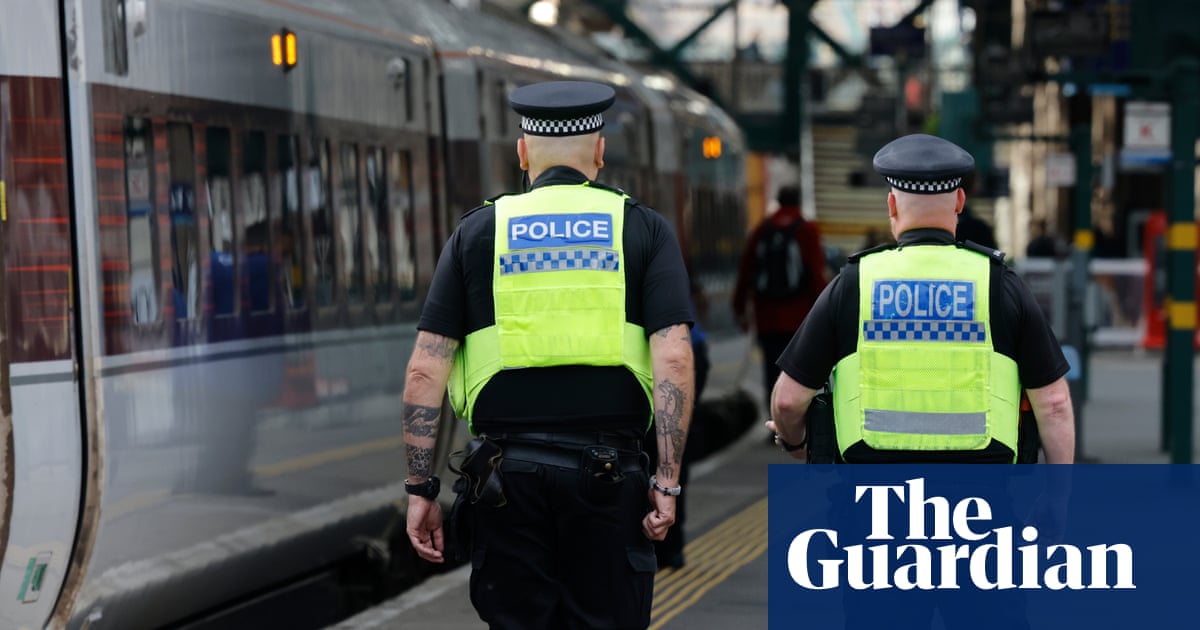 ✓
✓The number of reported assaults on Great Britain’s railways has risen to a record high of almost 25,000 incidents in a year.
Unions said the “horrendous” figures showed the need for more staff and policing, as the Office of Rail and Road (ORR) revealed a sharp increase in assaults on the travelling public and on railway staff last year.
There were 13,464 reported assaults against passengers and members of the public on the mainline railway in 2025-26, up 36% on the previous year and the highest number recorded by the ORR since it started tracking the figures in 2004.
Assaults on rail staff were up 12% in a year to 11,289 reported incidents, mainly verbal abuse but including nearly 2,500 physical assaults – an average of about seven every day.
The assaults on members of the public included startling rises in cases of harassment, up 52% year on year, and common assault, up by 30%.
The figures partly reflect increased reporting and zero-tolerance campaigns on public transport, but also underline concerns flagged by unions about the ongoing threats to frontline workers as well as passengers, and the availability of transport police.
The RMT general secretary, Eddie Dempsey, said the numbers were horrendous but chimed with the union’s own surveys showing two-thirds of its members had experienced some form of violence at work in the past year.
He said: “We are calling for a significant increase in staffing across public transport, including an end to lone working. We also clearly need stronger legal protections for public transport workers against assaults at work.
“British Transport Police funding cuts have also been disastrous which has undermined a proper policing presence on all public transport.”
The chief inspector of railways, the ORR’s Richard Hines, said: “The increase in reported assaults is concerning. No one on the railway should be subjected to violence, threats or abuse.
“We’re working with industry and our trade union colleagues to address work-related violence and harassment, including through recent guidance which sets out what we expect from rail employers.
“This includes understanding where the risks are, putting effective controls in place, encouraging staff to report incidents and providing appropriate support afterwards. Our inspectors will continue to check how these risks are being managed.”
A spokesperson for Network Rail and train operators said: “Violence, abuse and intimidation directed at passengers or staff are completely unacceptable. The rail industry works closely with British Transport Police to investigate incidents, support victims and bring offenders to justice.”
after newsletter promotion
They said the numbers also reflected greater intelligence sharing, improved reporting processes, and more CCTV and body-worn cameras for frontline staff.
The ORR report noted that the headline numbers of reported assaults can include multiple counts in a single incident, for example for both harassment and common assault, while workforce assaults are now recorded even if no physical injury occurs. On the London Underground, where there is single counting, the number of assaults on the workforce fell slightly last year.
The chief executive of the Rail Safety and Standards Board, Mark Phillips, said the rail industry was taking action to better protect staff, but the figures “underline the need for a change in public behaviour and greater respect for the people who keep the railway running safely every day”.
Reports in recent years have highlighted that women and girls were at particular risk, while the growing number of assaults year on year since the pandemic has coincided with pressure on British Transport Police numbers.
The abuse and intimidation faced by frontline staff on the railways has also been seen in sectors including retail and in the NHS. The British Retail Consortium warned over “endemic” violence towards shop workers earlier this year, while the number of reports of violence against NHS staff by patients surpassed 100,000 in 2025.
The Department for Transport and British Transport Police were approached for comment.
Read the full story at The Guardian ↗ · BBC ↗
Unions say record high figures, including assaults on rail workers as well as members of public, show need for more staff and policing. Business live – latest updates. The number…
This lens runs the verified story through Cinnamon's AI — wired in the next step.
The number of reported assaults on Great Britain’s railways has risen to a record high of almost 25,000 incidents in a year.
Unions said the “horrendous” figures showed the need for more staff and policing, as the Office of Rail and Road (ORR) revealed a sharp increase in assaults on the travelling public and on railway staff last year.
There were 13,464 reported assaults against passengers and members of the public on the mainline railway in 2025-26, up 36% on the previous year and the highest number recorded by the ORR since it started tracking the figures in 2004.
Assaults on rail staff were up 12% in a year to 11,289 reported incidents, mainly verbal abuse but including nearly 2,500 physical assaults – an average of about seven every day.
The assaults on members of the public included startling rises in cases of harassment, up 52% year on year, and common assault, up by 30%.
The figures partly reflect increased reporting and zero-tolerance campaigns on public transport, but also underline concerns flagged by unions about the ongoing threats to frontline workers as well as passengers, and the availability of transport police.
The RMT general secretary, Eddie Dempsey, said the numbers were horrendous but chimed with the union’s own surveys showing two-thirds of its members had experienced some form of violence at work in the past year.
He said: “We are calling for a significant increase in staffing across public transport, including an end to lone working. We also clearly need stronger legal protections for public transport workers against assaults at work.
“British Transport Police funding cuts have also been disastrous which has undermined a proper policing presence on all public transport.”
The chief inspector of railways, the ORR’s Richard Hines, said: “The increase in reported assaults is concerning. No one on the railway should be subjected to violence, threats or abuse.
“We’re working with industry and our trade union colleagues to address work-related violence and harassment, including through recent guidance which sets out what we expect from rail employers.
“This includes understanding where the risks are, putting effective controls in place, encouraging staff to report incidents and providing appropriate support afterwards. Our inspectors will continue to check how these risks are being managed.”
A spokesperson for Network Rail and train operators said: “Violence, abuse and intimidation directed at passengers or staff are completely unacceptable. The rail industry works closely with British Transport Police to investigate incidents, support victims and bring offenders to justice.”
after newsletter promotion
They said the numbers also reflected greater intelligence sharing, improved reporting processes, and more CCTV and body-worn cameras for frontline staff.
The ORR report noted that the headline numbers of reported assaults can include multiple counts in a single incident, for example for both harassment and common assault, while workforce assaults are now recorded even if no physical injury occurs. On the London Underground, where there is single counting, the number of assaults on the workforce fell slightly last year.
The chief executive of the Rail Safety and Standards Board, Mark Phillips, said the rail industry was taking action to better protect staff, but the figures “underline the need for a change in public behaviour and greater respect for the people who keep the railway running safely every day”.
Reports in recent years have highlighted that women and girls were at particular risk, while the growing number of assaults year on year since the pandemic has coincided with pressure on British Transport Police numbers.
The abuse and intimidation faced by frontline staff on the railways has also been seen in sectors including retail and in the NHS. The British Retail Consortium warned over “endemic” violence towards shop workers earlier this year, while the number of reports of violence against NHS staff by patients surpassed 100,000 in 2025.
The Department for Transport and British Transport Police were approached for comment.
Read the full story at The Guardian ↗ · BBC ↗
The number of reported assaults on Great Britain’s railways has risen to a record high of almost 25,000 incidents in a year.
Unions said the “horrendous” figures showed the need for more staff and policing, as the Office of Rail and Road (ORR) revealed a sharp increase in assaults on the travelling public and on railway staff last year.
There were 13,464 reported assaults against passengers and members of the public on the mainline railway in 2025-26, up 36% on the previous year and the highest number recorded by the ORR since it started tracking the figures in 2004.
Assaults on rail staff were up 12% in a year to 11,289 reported incidents, mainly verbal abuse but including nearly 2,500 physical assaults – an average of about seven every day.
The assaults on members of the public included startling rises in cases of harassment, up 52% year on year, and common assault, up by 30%.
The figures partly reflect increased reporting and zero-tolerance campaigns on public transport, but also underline concerns flagged by unions about the ongoing threats to frontline workers as well as passengers, and the availability of transport police.
The RMT general secretary, Eddie Dempsey, said the numbers were horrendous but chimed with the union’s own surveys showing two-thirds of its members had experienced some form of violence at work in the past year.
He said: “We are calling for a significant increase in staffing across public transport, including an end to lone working. We also clearly need stronger legal protections for public transport workers against assaults at work.
“British Transport Police funding cuts have also been disastrous which has undermined a proper policing presence on all public transport.”
The chief inspector of railways, the ORR’s Richard Hines, said: “The increase in reported assaults is concerning. No one on the railway should be subjected to violence, threats or abuse.
“We’re working with industry and our trade union colleagues to address work-related violence and harassment, including through recent guidance which sets out what we expect from rail employers.
“This includes understanding where the risks are, putting effective controls in place, encouraging staff to report incidents and providing appropriate support afterwards. Our inspectors will continue to check how these risks are being managed.”
A spokesperson for Network Rail and train operators said: “Violence, abuse and intimidation directed at passengers or staff are completely unacceptable. The rail industry works closely with British Transport Police to investigate incidents, support victims and bring offenders to justice.”
after newsletter promotion
They said the numbers also reflected greater intelligence sharing, improved reporting processes, and more CCTV and body-worn cameras for frontline staff.
The ORR report noted that the headline numbers of reported assaults can include multiple counts in a single incident, for example for both harassment and common assault, while workforce assaults are now recorded even if no physical injury occurs. On the London Underground, where there is single counting, the number of assaults on the workforce fell slightly last year.
The chief executive of the Rail Safety and Standards Board, Mark Phillips, said the rail industry was taking action to better protect staff, but the figures “underline the need for a change in public behaviour and greater respect for the people who keep the railway running safely every day”.
Reports in recent years have highlighted that women and girls were at particular risk, while the growing number of assaults year on year since the pandemic has coincided with pressure on British Transport Police numbers.
The abuse and intimidation faced by frontline staff on the railways has also been seen in sectors including retail and in the NHS. The British Retail Consortium warned over “endemic” violence towards shop workers earlier this year, while the number of reports of violence against NHS staff by patients surpassed 100,000 in 2025.
The Department for Transport and British Transport Police were approached for comment.
Read the full story at The Guardian ↗ · BBC ↗
This lens runs the verified story through Cinnamon's AI — wired in the next step.
- Unions say record high figures, including assaults on rail workers as well as members of public, show need for more staff and policing.
- Business live – latest updates.