Ring Video Doorbell Pro review: night and day better with new 4K camera
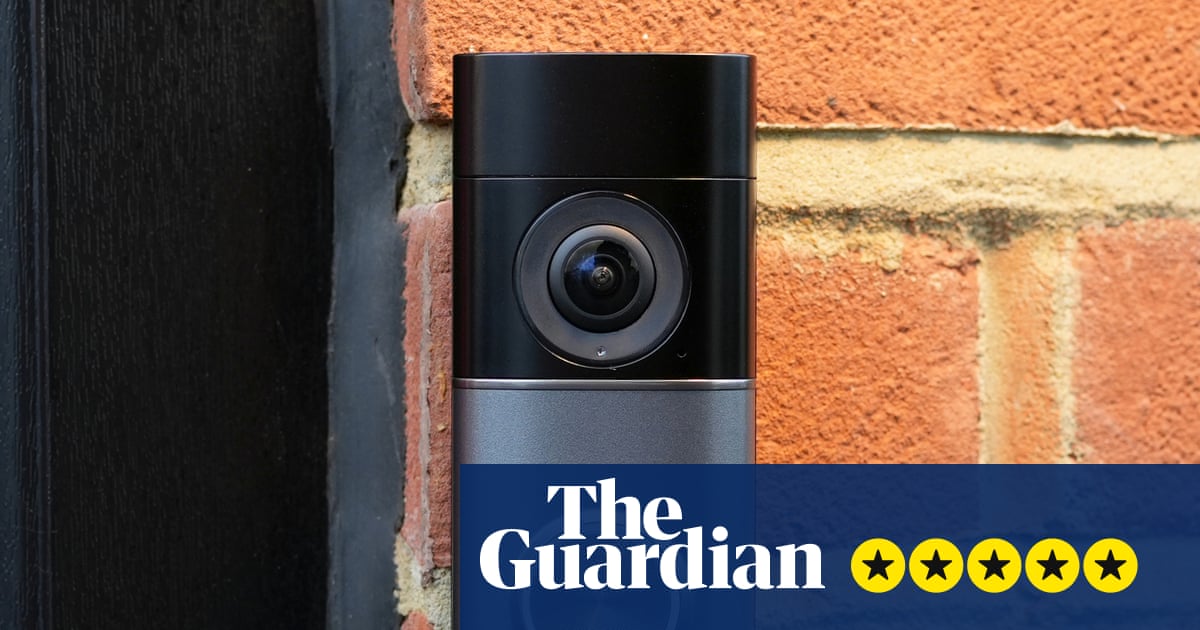
Ring’s recent revamp of its popular video doorbells with a more modern design is led by the top-of-the-line Video Doorbell Pro 3, which gains much-needed upgrades with a 4K camera and better wifi plus new interesting AI features.
The new doorbells are sleeker but keep the unmistakable two-tone Ring colour scheme, button, logo and ringtone. Battery models start at £80 or equivalent, with the top model costing £219.99 (€249.99/$249.99/A$329.99) with either a battery or wired, which is roughly in line with the competition.
Despite looking slimmer, the new Video Doorbell Pro 3 is slightly bigger than the outgoing 2021 model. The wired model, as reviewed, comes in a choice of coloured faceplates to match your decor with a glowing blue ring around the large bell button.
The doorbell has Ring’s new 4K camera, which is quite a big leap over the previous version used in the wired and battery doorbells, capturing far more fine detail. It makes it much easier to see writing, such as name badges, and allows much improved digital zoom up to 10x magnification. It is good enough to read a car numberplate from about nine metres away, day or night.
But a bigger improvement is in its low-light performance, particularly in tricky mixed conditions with street or outside lights in and around the doorbell, where many cameras struggle. A monochrome infrared-illuminated mode takes over when the lights are off that is crisp enough to see every movement of people, or in my case foxes, crossing your door.
The wide 140-degree square field of view allows you to see head to toe of visitors, even when they stand right in front of the door. It also has package detection, which alerts you to boxes left at your door within a customisable zone.
The Doorbell Pro has radar-based motion tracking, which gives you a trace of a person’s movement overlaid on an aerial view of your driveway. It is not particularly useful for my short drive but the radar allows you to customise the distance from your door that motion is detected to help reduce the number of unwanted recordings of the street in front of your home. Privacy settings, which block out parts of the field of view, also help stop recordings of your neighbours.
The upgrade to dual band wifi 6 connectivity from the ancient wifi 5 of previous generations is another welcome change. It may not be the latest wifi 7 standard, which is rapidly becoming available in home routers, but wifi 6 offers significantly increased bandwidth and lower latency in the congested or weaker signal areas typically seen at your front door. As a result, I no longer needed a wifi booster to reach the doorbell, and live view sessions started significantly faster, which helped to see callers more quickly.
Unlike a limited selection of rivals connected by ethernet, wifi 6 can still be jammed by criminals, which would disconnect the feed and stop recordings. The Doorbell Pro has a wired option, however, requiring a traditional low-voltage transformer (included in the box) or Ring’s plug-in adaptor for power, which saves having to remember to charge a battery.
The wired Doorbell Pro also offers six seconds of full colour, HD pre-roll video with sound before an event recording is triggered, including in low light, which helps you see more of what just happened. Or it can continuously record 24/7 for an extra monthly fee. The battery model is limited to four seconds of lower definition pre-roll video without sound that does not work in low light.
Dimensions: 49.5 x 26 x 138.4 mm
Field of view: 140° horizontal and vertical
Resolution: 4K
Power: Transformer (24VDC, 0.5A, 12W) or plug-in adaptor/battery
Connectivity: dual-band wifi 6
Minimum broadband speed: 10 Mbps
Like all Ring products, the Doorbell Pro can be used without a subscription for basic real-time notifications, door rings and live view, but it does not store videos locally or in the cloud.
Therefore a subscription is required to make the most of the doorbell, with an included 30-day trial and multiple tiers available. The starting plan is Ring Solo, which costs from £4.99 (€3.99/$4.99/A$4.95) a month and provides 180 days of saved event videos, extended live view sessions, doorbell rings that come through like a phone call rather than an alert, and device modes. It also enables smart alerts, which differentiate between person, package and vehicles for motion, so you can customise the type of event that gets pushed to your phone. Plus animated previews of what happened in the alerts on your phone, which are much more useful.
The Ring Multi plan offers the same as the Solo plan but for more than one camera at any one location, costing from £7.99 (€9.99/$9.99/A$14.95) a month. The newest and most expensive Ring Pro plan costs from £15.99 ($19.99/A$29.95) a month and adds a range of AI-powered features, including video descriptions such as a black car driving past or a woman holding a child at the door. A search feature helps you find events using descriptions, such as a red car passing, while facial recognition can label frequent visitors so that the alerts tell you who is at the door. You cannot search by visitor name, though, which seems like an odd oversight.
The most impressive features are the AI alert settings. These include single event alerts, which groups related events into one notification, the option to exclude certain people from alerts, such as yourself coming home, and unusual event alerts.
The latter learns the patterns of events that happen in front of each camera over a number of days and then alerts you only when something unusual happens. For anyone who suffers from doorbell notification fatigue, this is the answer.
The camera still records every event so you can see them later, and will immediately notify you of doorbell rings, but enabling the feature cut down my alerts from about 30 a day to just a few that actually warranted attention.
These AI features can also be added to lower-priced plans for £3 ($5/A$5) a month per camera, while continuous 24/7 video recording is also available, rather than simply event based, as a £3 ($3/A$4) a month add-on per camera.
Ring will provide software updates for the doorbell until at least 31 December 2030. The device is made from 25% recycled materials including aluminium and plastic, which Amazon breaks down in its environmental impact report. The company operates trade-in and recycling schemes.
The Ring Wired Video Doorbell Pro (third gen) costs £219.99 (€249.99/$249.99/A$329.99).
For comparison, the Video Doorbell Wired costs £49.99, the Wired Video Doorbell Plus costs £159.99, the Battery Video Doorbell costs £79.99 and the Battery Video Doorbell Pro costs £219.99. The Google Nest Doorbell costs £179.99 and the Eufy Video Doorbell E340 costs £169.99.
The new Video Doorbell Pro 3 leads a set of very welcome upgrades for the full line of Ring’s doorbells.
It simply looks and works better, which for a product stuck on the front of your door is key. The 4K camera significantly improves fine detail and the zoom, but it is the lower mixed-light performance that is night and day better than previous models.
Alexa-integration is a bonus if you have existing Amazon speakers or displays, which can be used as chimes and to display callers. The wired model removes the need to deal with charging a battery and records more of what happens in the early stages of an event, but you need to have existing wires or get an electrician to put them in, meaning the similar battery doorbell is an easier fit for the same money.
Unlike some popular rivals from Eufy and others that record without a subscription, the Ring needs at least the basic Solo subscription to work at its best. There are some benefits to cloud-based recording, but a recurring monthly cost is not one of them.
The pricey Ring Pro plan may seem like step too far, but I found some of the more advanced alert-reducing features gamechanging for notification fatigue when you cannot narrow them down enough with your particular doorbell position. They are worth giving a go with the included trial at the very least.
Pros: 4K camera, great mixed and low-light performance, decent zoom, wifi 6, fast video from calls, 8 seconds of pre-roll recorded before an event (wired), looks good, wired or battery options, integration with Alexa, straight and angled brackets included, swappable faceplates (wired).
Cons: no ethernet option, no local recording, needs a subscription to make the best of it, tied into the Ring ecosystem.
Read the full story at The Guardian ↗
Ring has released an updated Video Doorbell Pro 3 with a 4K camera that captures significantly more detail than previous models, particularly in mixed and low-light conditions. The device includes a 140-degree field of view, radar-based motion detection, and wifi 6 connectivity. Wired and battery options are available at £219.99. The doorbell functions without a subscription for basic live view and alerts, but cloud video storage requires paid plans starting at £4.99/month. The top-tier Ring Pro plan at £15.99/month adds AI features including video descriptions, facial recognition of frequent visitors, and intelligent alert filtering that learns typical activity patterns. These features can reduce notifications from dozens daily to only unusual events. The device supports Alexa integration and includes coloured faceplates for wired models. Ring commits to software updates through at least December 2030.
Read the full story at The Guardian ↗
Ring’s recent revamp of its popular video doorbells with a more modern design is led by the top-of-the-line Video Doorbell Pro 3, which gains much-needed upgrades with a 4K camera and better wifi plus new interesting AI features.
The new doorbells are sleeker but keep the unmistakable two-tone Ring colour scheme, button, logo and ringtone. Battery models start at £80 or equivalent, with the top model costing £219.99 (€249.99/$249.99/A$329.99) with either a battery or wired, which is roughly in line with the competition.
Despite looking slimmer, the new Video Doorbell Pro 3 is slightly bigger than the outgoing 2021 model. The wired model, as reviewed, comes in a choice of coloured faceplates to match your decor with a glowing blue ring around the large bell button.
The doorbell has Ring’s new 4K camera, which is quite a big leap over the previous version used in the wired and battery doorbells, capturing far more fine detail. It makes it much easier to see writing, such as name badges, and allows much improved digital zoom up to 10x magnification. It is good enough to read a car numberplate from about nine metres away, day or night.
But a bigger improvement is in its low-light performance, particularly in tricky mixed conditions with street or outside lights in and around the doorbell, where many cameras struggle. A monochrome infrared-illuminated mode takes over when the lights are off that is crisp enough to see every movement of people, or in my case foxes, crossing your door.
The wide 140-degree square field of view allows you to see head to toe of visitors, even when they stand right in front of the door. It also has package detection, which alerts you to boxes left at your door within a customisable zone.
The Doorbell Pro has radar-based motion tracking, which gives you a trace of a person’s movement overlaid on an aerial view of your driveway. It is not particularly useful for my short drive but the radar allows you to customise the distance from your door that motion is detected to help reduce the number of unwanted recordings of the street in front of your home. Privacy settings, which block out parts of the field of view, also help stop recordings of your neighbours.
The upgrade to dual band wifi 6 connectivity from the ancient wifi 5 of previous generations is another welcome change. It may not be the latest wifi 7 standard, which is rapidly becoming available in home routers, but wifi 6 offers significantly increased bandwidth and lower latency in the congested or weaker signal areas typically seen at your front door. As a result, I no longer needed a wifi booster to reach the doorbell, and live view sessions started significantly faster, which helped to see callers more quickly.
Unlike a limited selection of rivals connected by ethernet, wifi 6 can still be jammed by criminals, which would disconnect the feed and stop recordings. The Doorbell Pro has a wired option, however, requiring a traditional low-voltage transformer (included in the box) or Ring’s plug-in adaptor for power, which saves having to remember to charge a battery.
The wired Doorbell Pro also offers six seconds of full colour, HD pre-roll video with sound before an event recording is triggered, including in low light, which helps you see more of what just happened. Or it can continuously record 24/7 for an extra monthly fee. The battery model is limited to four seconds of lower definition pre-roll video without sound that does not work in low light.
Dimensions: 49.5 x 26 x 138.4 mm
Field of view: 140° horizontal and vertical
Resolution: 4K
Power: Transformer (24VDC, 0.5A, 12W) or plug-in adaptor/battery
Connectivity: dual-band wifi 6
Minimum broadband speed: 10 Mbps
Like all Ring products, the Doorbell Pro can be used without a subscription for basic real-time notifications, door rings and live view, but it does not store videos locally or in the cloud.
Therefore a subscription is required to make the most of the doorbell, with an included 30-day trial and multiple tiers available. The starting plan is Ring Solo, which costs from £4.99 (€3.99/$4.99/A$4.95) a month and provides 180 days of saved event videos, extended live view sessions, doorbell rings that come through like a phone call rather than an alert, and device modes. It also enables smart alerts, which differentiate between person, package and vehicles for motion, so you can customise the type of event that gets pushed to your phone. Plus animated previews of what happened in the alerts on your phone, which are much more useful.
The Ring Multi plan offers the same as the Solo plan but for more than one camera at any one location, costing from £7.99 (€9.99/$9.99/A$14.95) a month. The newest and most expensive Ring Pro plan costs from £15.99 ($19.99/A$29.95) a month and adds a range of AI-powered features, including video descriptions such as a black car driving past or a woman holding a child at the door. A search feature helps you find events using descriptions, such as a red car passing, while facial recognition can label frequent visitors so that the alerts tell you who is at the door. You cannot search by visitor name, though, which seems like an odd oversight.
The most impressive features are the AI alert settings. These include single event alerts, which groups related events into one notification, the option to exclude certain people from alerts, such as yourself coming home, and unusual event alerts.
The latter learns the patterns of events that happen in front of each camera over a number of days and then alerts you only when something unusual happens. For anyone who suffers from doorbell notification fatigue, this is the answer.
The camera still records every event so you can see them later, and will immediately notify you of doorbell rings, but enabling the feature cut down my alerts from about 30 a day to just a few that actually warranted attention.
These AI features can also be added to lower-priced plans for £3 ($5/A$5) a month per camera, while continuous 24/7 video recording is also available, rather than simply event based, as a £3 ($3/A$4) a month add-on per camera.
Ring will provide software updates for the doorbell until at least 31 December 2030. The device is made from 25% recycled materials including aluminium and plastic, which Amazon breaks down in its environmental impact report. The company operates trade-in and recycling schemes.
The Ring Wired Video Doorbell Pro (third gen) costs £219.99 (€249.99/$249.99/A$329.99).
For comparison, the Video Doorbell Wired costs £49.99, the Wired Video Doorbell Plus costs £159.99, the Battery Video Doorbell costs £79.99 and the Battery Video Doorbell Pro costs £219.99. The Google Nest Doorbell costs £179.99 and the Eufy Video Doorbell E340 costs £169.99.
The new Video Doorbell Pro 3 leads a set of very welcome upgrades for the full line of Ring’s doorbells.
It simply looks and works better, which for a product stuck on the front of your door is key. The 4K camera significantly improves fine detail and the zoom, but it is the lower mixed-light performance that is night and day better than previous models.
Alexa-integration is a bonus if you have existing Amazon speakers or displays, which can be used as chimes and to display callers. The wired model removes the need to deal with charging a battery and records more of what happens in the early stages of an event, but you need to have existing wires or get an electrician to put them in, meaning the similar battery doorbell is an easier fit for the same money.
Unlike some popular rivals from Eufy and others that record without a subscription, the Ring needs at least the basic Solo subscription to work at its best. There are some benefits to cloud-based recording, but a recurring monthly cost is not one of them.
The pricey Ring Pro plan may seem like step too far, but I found some of the more advanced alert-reducing features gamechanging for notification fatigue when you cannot narrow them down enough with your particular doorbell position. They are worth giving a go with the included trial at the very least.
Pros: 4K camera, great mixed and low-light performance, decent zoom, wifi 6, fast video from calls, 8 seconds of pre-roll recorded before an event (wired), looks good, wired or battery options, integration with Alexa, straight and angled brackets included, swappable faceplates (wired).
Cons: no ethernet option, no local recording, needs a subscription to make the best of it, tied into the Ring ecosystem.
Read the full story at The Guardian ↗
Ring's Video Doorbell Pro 3 has a 4K camera The 4K camera represents a significant upgrade over previous models in capturing fine detail The doorbell can read car number plates from approximately nine metres away in day or night conditions The device has a 140-degree horizontal and vertical field of view The doorbell includes dual-band wifi 6 connectivity, upgraded from wifi 5 Wired models record six seconds of full-colour pre-roll video before an event is triggered Battery models record four seconds of lower-definition pre-roll video without sound that does not function in low light Basic use without a subscription allows real-time notifications, door rings and live view only, with no cloud or local video storage The Ring Solo subscription plan costs from £4.99 per month and provides 180 days of saved event videos The Ring Pro plan costs from £15.99 per month and includes AI-powered features such as video descriptions and facial recognition The unusual event alerts feature learns activity patterns over days and alerts only when something outside the norm occurs The device is made from 25% recycled materials The low-light performance is night and day better than previous models The upgrade to wifi 6 is welcome The AI alert-reducing features are gamechanging for notification fatigue Requiring a subscription to make the most of the doorbell is a drawback compared to rivals from Eufy and others
Read the full story at The Guardian ↗
- Ring's Video Doorbell Pro 3 features a 4K camera with improved low-light performance and 10x digital zoom, making it easier to read details like car number plates
- The device upgrades to wifi 6 connectivity and offers 6 seconds of pre-roll video on wired models, with motion tracking via radar
- Subscriptions are required for cloud storage and AI features; the Pro plan (£15.99/month) includes video descriptions, facial recognition, and alert filtering