RIP Alan Greenspan: you were charming, powerful, and wrong | Robert Reich
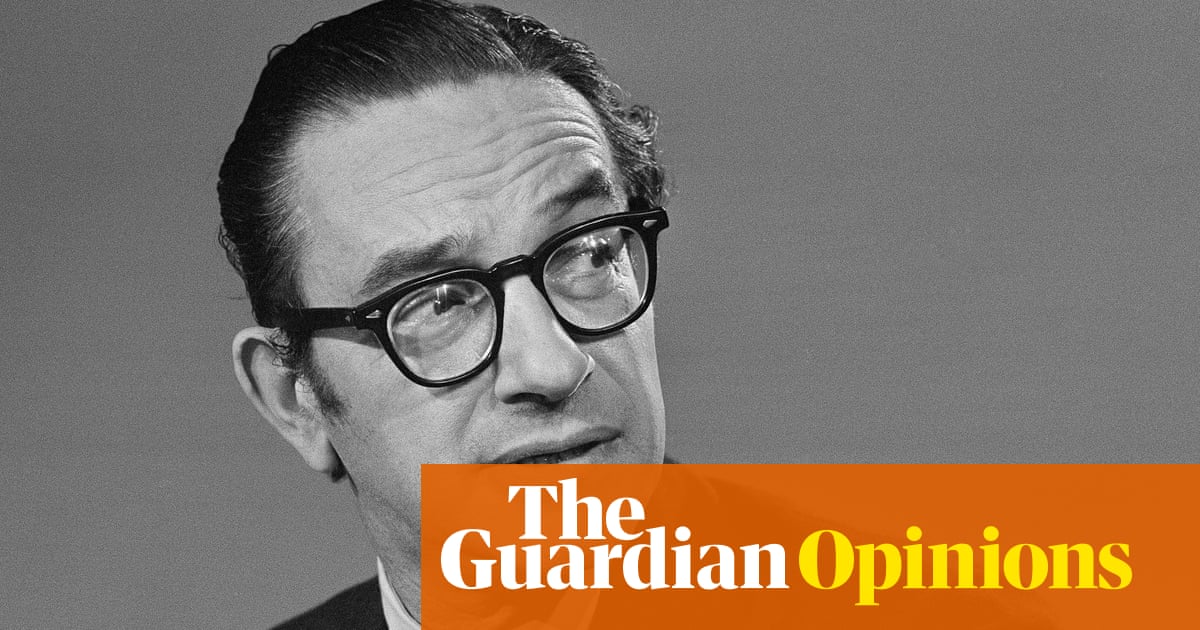
Alan Greenspan has died at the age of 100.
My students don’t recognize his name, but you probably do. When he was chair of the Federal Reserve – for more than 18 years, from 11 August 1987 to 31 January 2006 – he not only ran the US (and most of the world’s) economy but was also in many ways the most powerful person in the US.
He maintained an iron grip over the Fed and almost singlehandedly decided on interest rates. But that was just the start of his power. He essentially fired George HW Bush by raising interest rates so high (ostensibly to ward off the inflation then threatening the economy) that the economy took a dive, and voters blamed Bush.
This was enough to convince my old boss, Bill Clinton, to do exactly what Greenspan wanted – which was to reduce the federal budget deficit and thereby destroy much of the agenda Clinton ran on (and I helped create). As I wrote in my memoir of those years, Locked in the Cabinet: “Greenspan has the most important grip in town: Bill’s balls, in the palm of his hand.”
I don’t want to speak ill of anyone who has passed. Greenspan was an extremely charming, intelligent and thoughtful man.
But the truth must be told: if any single person was responsible for the financial crisis of 2008, it was Greenspan. That crisis – the worst collapse since 1929, which led to the worst recession in decades, in which millions of Americans lost their jobs, savings and even their homes – resulted from the deregulation of Wall Street that Greenspan advocated.
Greenspan pushed Clinton and Congress to repeal the Glass-Steagall Act, which since the Depression decade of the 1930s, had separated investment banking from commercial banking, thereby preventing banks from gambling with personal savings. He also argued vigorously against regulating derivatives – essentially, financial bets on financial bets – that proved to be weapons of mass financial destruction.
Greenspan finally acknowledged that the crisis caused him to rethink his free-market ideology. “I have found a flaw,” he told a congressional committee. “I made a mistake in presuming that the self-interest of organizations, specifically banks and others, were such that they were best capable of protecting their own shareholders and their equity in the firms … I was shocked.”
Shocked? Shocked that the free market would succumb to greed, self-dealing, betting and fraud? Shocked that decades of deregulation of Wall Street would plunge the country and the world into crisis? Please.
Near the start of the Clinton presidency, I realized Greenspan was the Darth Vader of the American economy – and that I needed to try to convince him that the federal deficit and inflation weren’t as important as public investments in education, infrastructure, public-supported research and social safety nets.
I had the opportunity when Greenspan invited me to breakfast. He did so probably because he wanted to be sure Clinton would reappoint him and assumed I had Clinton’s ear on economic policy. Given that he was a deficit hawk and I was the opposite, he must have figured it couldn’t hurt his chances to try to charm me.
We’d never met before, but as soon as he greeted me, I instinctively knew him. I knew where he grew up (New York), and where he got his drive and his sense of humor (he was Jewish). I felt like we’d been together at countless weddings, barmitzvahs and funerals.
Our breakfast was pleasant, our conversation easy. He deftly avoided talking about the deficit, inflation or public investment. In fact, he avoided talking about anything that mattered. I left feeling pampered and charmed. Greenspan got out of that breakfast exactly what he wanted. Yet I never asked him the questions I intended to ask and never got the answers I imagined he’d give.
Here’s a version of the conversation I had anticipated:
Me: Mr. Chairman, how did a shy little guy like you get to be the most powerful man in the American economy?
He: I’m ambitious and very, very smart.
Me: You’re a Republican and follower of Ayn Rand?
He: And proud of it. Nixon, Ford, Reagan and Bush all appointed me to powerful positions.
Me: What’s your purpose in life?
He: To stamp out inflation.
Me: Even if that means high unemployment?
He: You bet.
Me: Even if it requires slow growth and stagnant wages?
He: Right you are.
Me: Even if it means drastic cuts in federal programs that help working people and the poor?
He: Absolutely, if that’s what it takes to balance the budget and remove all temptation to inflate away the government’s debt.
Me: But why? A little inflation never hurt anybody.
He: You’re wrong. It hurts bond traders and lenders.
Me: But why place their interests over everybody else’s interests in good jobs?
He: Because I’m a capitalist and capitalism is driven by the filthy rich. They make their money off bonds. Your constituents are just plain filthy. They have to work for a living.
Me: You’re the nation’s central banker. You should be accountable to all Americans.
He: But I’m not, and neither is the Fed.
Me: That’s not fair, it’s not right.
He: Nah-na-na-nah-na. You can’t stop me.
Me: Can too.
He: Can not.
Me: Can too. The president’s my friend.
He: So what?
Me: He won’t reappoint you.
He: Oh, no?
Me: No.
He: Well, we’ll see about that.
Me: You think he’ll reappoint you?
He: No doubt about it.
Me: Why are you so sure?
He: Because he needs me.
Me: Oh, yeah?
He: Yeah.
Me: What does he need you for?
He: He needs me because he needs to have the confidence of Wall Street, and only I can deliver that to him.
Me: Oh, yeah?
He: Yeah. That’s why Bush reappointed me in 1992, even though he hated me for keeping interest rates high as the economy slipped into recession in 1990. That’s why he lost the presidency to your man. I could do it to your man too. I could do worse. He’ll reappoint me. He’ll do whatever I want him to do.
Me: Well, you can take your crummy lunch and cram it, you robber baron.
He: Go suck on a pickle, you Bolshevik dwarf.
Robert Reich, a former US secretary of labor, is a professor of public policy emeritus at the University of California, Berkeley. He is a Guardian US columnist and his newsletter is at robertreich.substack.com. His new book, Coming Up Short: A Memoir of My America, is out now in the US and in the UK
Read the full story at The Guardian ↗
Alan Greenspan, who chaired the Federal Reserve for 18 years until 2006, has died at 100. During his tenure, Greenspan held significant influence over U.S. monetary policy and interest rates. He advocated for financial deregulation, including repeal of the Glass-Steagall Act that had separated investment and commercial banking since the 1930s, and opposed regulation of derivatives. The 2008 financial crisis occurred under conditions shaped by these deregulatory policies. Greenspan later told Congress he had reconsidered his assumption that banks would self-regulate effectively. Robert Reich, a former Labor Secretary, contends that Greenspan's monetary decisions influenced the Clinton administration's focus on deficit reduction over public investment, and argues the financial crisis resulted directly from Greenspan's policy advocacy.
Read the full story at The Guardian ↗
Alan Greenspan has died at the age of 100.
My students don’t recognize his name, but you probably do. When he was chair of the Federal Reserve – for more than 18 years, from 11 August 1987 to 31 January 2006 – he not only ran the US (and most of the world’s) economy but was also in many ways the most powerful person in the US.
He maintained an iron grip over the Fed and almost singlehandedly decided on interest rates. But that was just the start of his power. He essentially fired George HW Bush by raising interest rates so high (ostensibly to ward off the inflation then threatening the economy) that the economy took a dive, and voters blamed Bush.
This was enough to convince my old boss, Bill Clinton, to do exactly what Greenspan wanted – which was to reduce the federal budget deficit and thereby destroy much of the agenda Clinton ran on (and I helped create). As I wrote in my memoir of those years, Locked in the Cabinet: “Greenspan has the most important grip in town: Bill’s balls, in the palm of his hand.”
I don’t want to speak ill of anyone who has passed. Greenspan was an extremely charming, intelligent and thoughtful man.
But the truth must be told: if any single person was responsible for the financial crisis of 2008, it was Greenspan. That crisis – the worst collapse since 1929, which led to the worst recession in decades, in which millions of Americans lost their jobs, savings and even their homes – resulted from the deregulation of Wall Street that Greenspan advocated.
Greenspan pushed Clinton and Congress to repeal the Glass-Steagall Act, which since the Depression decade of the 1930s, had separated investment banking from commercial banking, thereby preventing banks from gambling with personal savings. He also argued vigorously against regulating derivatives – essentially, financial bets on financial bets – that proved to be weapons of mass financial destruction.
Greenspan finally acknowledged that the crisis caused him to rethink his free-market ideology. “I have found a flaw,” he told a congressional committee. “I made a mistake in presuming that the self-interest of organizations, specifically banks and others, were such that they were best capable of protecting their own shareholders and their equity in the firms … I was shocked.”
Shocked? Shocked that the free market would succumb to greed, self-dealing, betting and fraud? Shocked that decades of deregulation of Wall Street would plunge the country and the world into crisis? Please.
Near the start of the Clinton presidency, I realized Greenspan was the Darth Vader of the American economy – and that I needed to try to convince him that the federal deficit and inflation weren’t as important as public investments in education, infrastructure, public-supported research and social safety nets.
I had the opportunity when Greenspan invited me to breakfast. He did so probably because he wanted to be sure Clinton would reappoint him and assumed I had Clinton’s ear on economic policy. Given that he was a deficit hawk and I was the opposite, he must have figured it couldn’t hurt his chances to try to charm me.
We’d never met before, but as soon as he greeted me, I instinctively knew him. I knew where he grew up (New York), and where he got his drive and his sense of humor (he was Jewish). I felt like we’d been together at countless weddings, barmitzvahs and funerals.
Our breakfast was pleasant, our conversation easy. He deftly avoided talking about the deficit, inflation or public investment. In fact, he avoided talking about anything that mattered. I left feeling pampered and charmed. Greenspan got out of that breakfast exactly what he wanted. Yet I never asked him the questions I intended to ask and never got the answers I imagined he’d give.
Here’s a version of the conversation I had anticipated:
Me: Mr. Chairman, how did a shy little guy like you get to be the most powerful man in the American economy?
He: I’m ambitious and very, very smart.
Me: You’re a Republican and follower of Ayn Rand?
He: And proud of it. Nixon, Ford, Reagan and Bush all appointed me to powerful positions.
Me: What’s your purpose in life?
He: To stamp out inflation.
Me: Even if that means high unemployment?
He: You bet.
Me: Even if it requires slow growth and stagnant wages?
He: Right you are.
Me: Even if it means drastic cuts in federal programs that help working people and the poor?
He: Absolutely, if that’s what it takes to balance the budget and remove all temptation to inflate away the government’s debt.
Me: But why? A little inflation never hurt anybody.
He: You’re wrong. It hurts bond traders and lenders.
Me: But why place their interests over everybody else’s interests in good jobs?
He: Because I’m a capitalist and capitalism is driven by the filthy rich. They make their money off bonds. Your constituents are just plain filthy. They have to work for a living.
Me: You’re the nation’s central banker. You should be accountable to all Americans.
He: But I’m not, and neither is the Fed.
Me: That’s not fair, it’s not right.
He: Nah-na-na-nah-na. You can’t stop me.
Me: Can too.
He: Can not.
Me: Can too. The president’s my friend.
He: So what?
Me: He won’t reappoint you.
He: Oh, no?
Me: No.
He: Well, we’ll see about that.
Me: You think he’ll reappoint you?
He: No doubt about it.
Me: Why are you so sure?
He: Because he needs me.
Me: Oh, yeah?
He: Yeah.
Me: What does he need you for?
He: He needs me because he needs to have the confidence of Wall Street, and only I can deliver that to him.
Me: Oh, yeah?
He: Yeah. That’s why Bush reappointed me in 1992, even though he hated me for keeping interest rates high as the economy slipped into recession in 1990. That’s why he lost the presidency to your man. I could do it to your man too. I could do worse. He’ll reappoint me. He’ll do whatever I want him to do.
Me: Well, you can take your crummy lunch and cram it, you robber baron.
He: Go suck on a pickle, you Bolshevik dwarf.
Robert Reich, a former US secretary of labor, is a professor of public policy emeritus at the University of California, Berkeley. He is a Guardian US columnist and his newsletter is at robertreich.substack.com. His new book, Coming Up Short: A Memoir of My America, is out now in the US and in the UK
Read the full story at The Guardian ↗
Alan Greenspan died at age 100. Greenspan served as Federal Reserve chair from August 11, 1987 to January 31, 2006. Greenspan advocated for repeal of the Glass-Steagall Act and opposed regulation of derivatives. The 2008 financial crisis was the worst economic collapse since 1929 and led to widespread job and home losses. Greenspan told a congressional committee: 'I have found a flaw' in his presumption that banks would self-regulate. Greenspan was charming, intelligent and thoughtful. If any single person was responsible for the 2008 financial crisis, it was Greenspan. Greenspan's influence convinced the Clinton administration to prioritize deficit reduction over public investment. Greenspan's acknowledgment of error was insufficient given the severity of the crisis.
Read the full story at The Guardian ↗
- Alan Greenspan, Federal Reserve chair for over 18 years (1987-2006), died at age 100.
- Greenspan advocated for deregulation of Wall Street, including repeal of Glass-Steagall and opposed derivatives regulation.
- The 2008 financial crisis followed policies Greenspan supported; he later acknowledged his free-market ideology had limitations.
- Robert Reich argues Greenspan's influence over monetary policy shaped Clinton administration priorities away from public investment toward deficit reduction.
- Greenspan acknowledged a 'flaw' in assuming banks would self-regulate, but Reich views this as insufficient acknowledgment of the crisis's severity.