Russia withdraws ambassador to UK as Kremlin raises pressure over Ukraine support
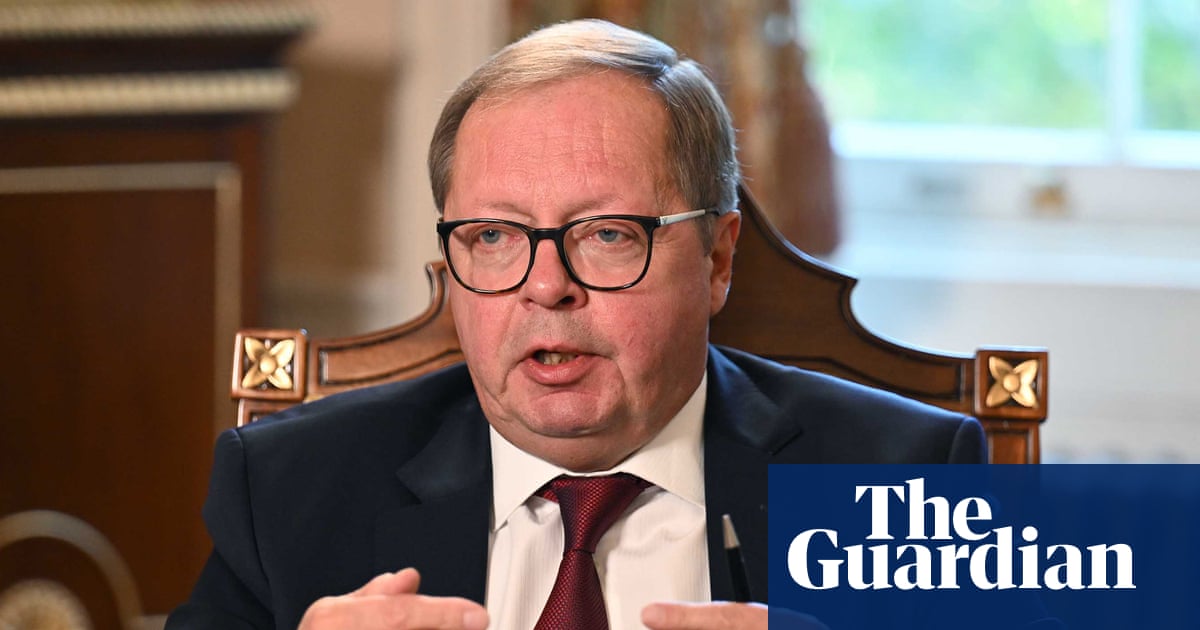 ✓
✓Russia has withdrawn its ambassador to the UK, it has emerged, as the Kremlin continues to try to put pressure on Britain over its support for Ukraine.
Andrey Kelin left last month after seven years in the diplomatic post, according to the Russian embassy in London.
Tensions have since ratcheted up, with a warning by the embassy last week of “consequences” after it emerged Britain was supplying attack drones to Kyiv.
Russia’s online list of “senior diplomatic staff” in the UK now includes only Vasily A Tsyganov, chargé d’affaires at the embassy.
A gap between ambassadors was not unprecedented, said John Foreman, a former British defence attache in Moscow and Kyiv. But he said in a post on X: “The embassy’s strident ‘consequences’ statement this week and the huge deterioration of bilateral relations since 2018 and especially since the start of the war make me wonder if Moscow will permanently downgrade the relationship this time, by default by not replacing him.”
A spokesperson for the embassy said the Kremlin had concluded Kelin’s diplomatic mission on 21 July. “As for the state of Russia-UK relations across all areas, they have deteriorated to an unprecedentedly low level entirely on London’s initiative,” they added.
A spokesperson told the Sunday Times Kelin had made efforts to preserve channels of communication with the UK and accused the government of choosing a “path of confrontation” with Russia.
“He left Britain in the hope that a more constructive and respectful dialogue could eventually be restored, should the UK reconsider its policies towards our country,” they said, adding that the Kremlin had not yet put forward a replacement candidate.
The embassy later issued a statement saying there was nothing in the comments to imply that Russia intended to downgrade diplomatic relations with the UK.
A spokesperson for Britain’s Foreign Office said: “This is a matter for the Russian ministry of foreign affairs. We have an ambassador and embassy in Moscow to engage and raise concerns with the Russian government.
“We continue to stand shoulder to shoulder with Ukraine, which has the right to defend itself against Russia’s illegal and unprovoked invasion.”
Shaun Pinner, a former British soldier who later fought alongside Ukrainian marines before he was captured and held for a time by Russian forces, said there would be arguments that Kelin’s exit had been a “dangerous erosion” of communication between Britain and Russia but he added that this had not been the case for some time in reality.
after newsletter promotion
He said: “If Moscow refuses to meaningfully engage, rebuffs attempts at communication and uses its diplomatic presence primarily to repeat Kremlin narratives, then we shouldn’t pretend we’re witnessing some functioning diplomatic relationship.”
Kelin has repeated Kremlin narratives in interviews to British media in recent years. In one on Sky News in June, he said that Russia “cannot lose” the war in Ukraine. He joined the Soviet diplomatic service in 1979.
Russia stepped up its rhetoric towards the UK last week after Ministry of Defence sources indicated a report that two drones made by British companies had been used by Ukraine’s military to attack targets inside Russia was true.
The Russian embassy, seeking to maximise the impact of its remarks, added in a widely reported statement on Telegram: “London’s actions will inevitably carry consequences for which it will have to answer.”
Read the full story at The Guardian ↗ · The Hill ↗
Embassy in London says Andrey Kelin left last month after seven years in diplomatic post. Russia has withdrawn its ambassador to the UK, it has emerged, as the Kremlin continues…
This lens runs the verified story through Cinnamon's AI — wired in the next step.
Russia has withdrawn its ambassador to the UK, it has emerged, as the Kremlin continues to try to put pressure on Britain over its support for Ukraine.
Andrey Kelin left last month after seven years in the diplomatic post, according to the Russian embassy in London.
Tensions have since ratcheted up, with a warning by the embassy last week of “consequences” after it emerged Britain was supplying attack drones to Kyiv.
Russia’s online list of “senior diplomatic staff” in the UK now includes only Vasily A Tsyganov, chargé d’affaires at the embassy.
A gap between ambassadors was not unprecedented, said John Foreman, a former British defence attache in Moscow and Kyiv. But he said in a post on X: “The embassy’s strident ‘consequences’ statement this week and the huge deterioration of bilateral relations since 2018 and especially since the start of the war make me wonder if Moscow will permanently downgrade the relationship this time, by default by not replacing him.”
A spokesperson for the embassy said the Kremlin had concluded Kelin’s diplomatic mission on 21 July. “As for the state of Russia-UK relations across all areas, they have deteriorated to an unprecedentedly low level entirely on London’s initiative,” they added.
A spokesperson told the Sunday Times Kelin had made efforts to preserve channels of communication with the UK and accused the government of choosing a “path of confrontation” with Russia.
“He left Britain in the hope that a more constructive and respectful dialogue could eventually be restored, should the UK reconsider its policies towards our country,” they said, adding that the Kremlin had not yet put forward a replacement candidate.
The embassy later issued a statement saying there was nothing in the comments to imply that Russia intended to downgrade diplomatic relations with the UK.
A spokesperson for Britain’s Foreign Office said: “This is a matter for the Russian ministry of foreign affairs. We have an ambassador and embassy in Moscow to engage and raise concerns with the Russian government.
“We continue to stand shoulder to shoulder with Ukraine, which has the right to defend itself against Russia’s illegal and unprovoked invasion.”
Shaun Pinner, a former British soldier who later fought alongside Ukrainian marines before he was captured and held for a time by Russian forces, said there would be arguments that Kelin’s exit had been a “dangerous erosion” of communication between Britain and Russia but he added that this had not been the case for some time in reality.
after newsletter promotion
He said: “If Moscow refuses to meaningfully engage, rebuffs attempts at communication and uses its diplomatic presence primarily to repeat Kremlin narratives, then we shouldn’t pretend we’re witnessing some functioning diplomatic relationship.”
Kelin has repeated Kremlin narratives in interviews to British media in recent years. In one on Sky News in June, he said that Russia “cannot lose” the war in Ukraine. He joined the Soviet diplomatic service in 1979.
Russia stepped up its rhetoric towards the UK last week after Ministry of Defence sources indicated a report that two drones made by British companies had been used by Ukraine’s military to attack targets inside Russia was true.
The Russian embassy, seeking to maximise the impact of its remarks, added in a widely reported statement on Telegram: “London’s actions will inevitably carry consequences for which it will have to answer.”
Read the full story at The Guardian ↗ · The Hill ↗
Russia has withdrawn its ambassador to the UK, it has emerged, as the Kremlin continues to try to put pressure on Britain over its support for Ukraine.
Andrey Kelin left last month after seven years in the diplomatic post, according to the Russian embassy in London.
Tensions have since ratcheted up, with a warning by the embassy last week of “consequences” after it emerged Britain was supplying attack drones to Kyiv.
Russia’s online list of “senior diplomatic staff” in the UK now includes only Vasily A Tsyganov, chargé d’affaires at the embassy.
A gap between ambassadors was not unprecedented, said John Foreman, a former British defence attache in Moscow and Kyiv. But he said in a post on X: “The embassy’s strident ‘consequences’ statement this week and the huge deterioration of bilateral relations since 2018 and especially since the start of the war make me wonder if Moscow will permanently downgrade the relationship this time, by default by not replacing him.”
A spokesperson for the embassy said the Kremlin had concluded Kelin’s diplomatic mission on 21 July. “As for the state of Russia-UK relations across all areas, they have deteriorated to an unprecedentedly low level entirely on London’s initiative,” they added.
A spokesperson told the Sunday Times Kelin had made efforts to preserve channels of communication with the UK and accused the government of choosing a “path of confrontation” with Russia.
“He left Britain in the hope that a more constructive and respectful dialogue could eventually be restored, should the UK reconsider its policies towards our country,” they said, adding that the Kremlin had not yet put forward a replacement candidate.
The embassy later issued a statement saying there was nothing in the comments to imply that Russia intended to downgrade diplomatic relations with the UK.
A spokesperson for Britain’s Foreign Office said: “This is a matter for the Russian ministry of foreign affairs. We have an ambassador and embassy in Moscow to engage and raise concerns with the Russian government.
“We continue to stand shoulder to shoulder with Ukraine, which has the right to defend itself against Russia’s illegal and unprovoked invasion.”
Shaun Pinner, a former British soldier who later fought alongside Ukrainian marines before he was captured and held for a time by Russian forces, said there would be arguments that Kelin’s exit had been a “dangerous erosion” of communication between Britain and Russia but he added that this had not been the case for some time in reality.
after newsletter promotion
He said: “If Moscow refuses to meaningfully engage, rebuffs attempts at communication and uses its diplomatic presence primarily to repeat Kremlin narratives, then we shouldn’t pretend we’re witnessing some functioning diplomatic relationship.”
Kelin has repeated Kremlin narratives in interviews to British media in recent years. In one on Sky News in June, he said that Russia “cannot lose” the war in Ukraine. He joined the Soviet diplomatic service in 1979.
Russia stepped up its rhetoric towards the UK last week after Ministry of Defence sources indicated a report that two drones made by British companies had been used by Ukraine’s military to attack targets inside Russia was true.
The Russian embassy, seeking to maximise the impact of its remarks, added in a widely reported statement on Telegram: “London’s actions will inevitably carry consequences for which it will have to answer.”
Read the full story at The Guardian ↗ · The Hill ↗
This lens runs the verified story through Cinnamon's AI — wired in the next step.
- Embassy in London says Andrey Kelin left last month after seven years in diplomatic post.
- Russia has withdrawn its ambassador to the UK, it has emerged, as the Kremlin continues…