Sleaze is back and children are hungry – for Project Burnham, these have to be top priorities | Polly Toynbee
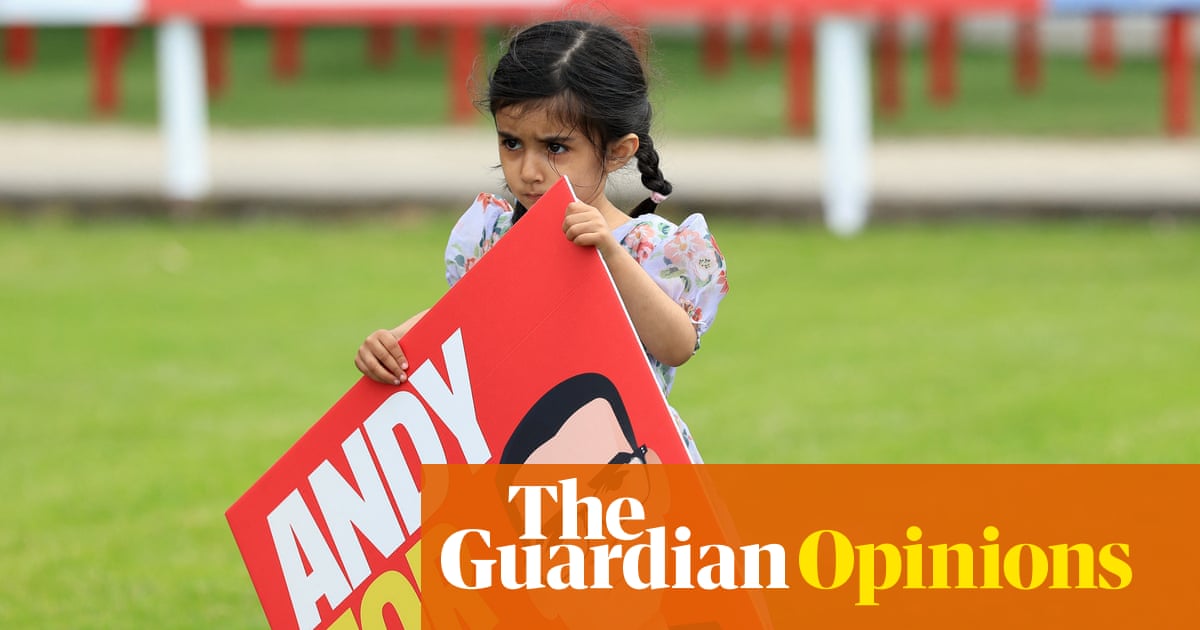
On the day the new prime minister steps into No 10, the heap on his doormat will be ceiling-high with missives imploring, advising, warning and counselling. No doubt there will be many pearls of wisdom and some bad ideas too. Each one will involve getting or spending money, decisions for his first totemic 100 days.
It so happens that his first day, 20 July, is the first week of school summer holidays in England and Wales. As he walks into Downing Street, millions of children will leave the school gates “walking into nothing”, as one child told the Children’s Society. Lonely, isolated, caring for siblings, many hungry, some at risk – for those children, six weeks will loom ahead with Covid-like emptiness, home alone as parents work, no splashing in the sunlit waves of the holiday ads.
A Children’s Society report on the hidden costs of the school holidays for families is just one of the pleas awaiting him as an early reminder of the deepening crisis of child poverty he takes on his shoulders. Every day will confront him with financial extremes as the need for money presses in, but so too will the need to revive public trust that money doesn’t pollute political decisions.
At the grotesque end, let’s start with yet more Nigel Farage revelations – a reminder for Burnham that he has an early opportunity to end the squalor of the large sums pouring into politics. Any filth swashing around Westminster becomes his responsibility, as he has power to pressure-wash vast donations out of the system. Most MPs are clean, but the spectacle of yet more booty being given to Farage – this time by a convicted fraudster and crypto-gambler, and not declared – adds to the public’s perception of Westminster as the big stink. It’s Burnham’s moment to take stern action to cap all but modest political donations, setting a high tone for his relationship with money.
The representation of the people bill is back in parliament soon, and we need him to add real bite. Among its good reforms is a weak gesture on foreign donations, not banned but capped at £100,000 a year. “We’re cracking down on those trying to buy – and sell – our democracy,” Darren Jones, the prime minister’s chief secretary, wildly overclaims. Stella Creasy’s radical amendment caps all donations at £100,000, ending the ability of a tiny group of mega-donors to pour in multimillions – £94.5m was spent in the last election. Transparency International found that 66% of private donations in 2023 came from just 19 individuals. Burnham can seize the steam cleaner and take this money out of politics. Other countries do it: France bans company and trade union donations, with individual donations capped at €7,500 (£6,400).
Here, peerages are bought: a £3m donation more or less guarantees ermine. Few think donors don’t expect something in return. But rarely is influence quite as blatant as Reform makes it appear: a Thai-based crypto billionaire bankrolls the party and gives Farage £5m, and Reform promises a “cryptoassets and digital finance” bill that shrinks crypto capital gains tax to 10%, creates a Treasury bitcoin reserve fund and lets taxes be paid in crypto.
To prove that a cap is nonpartisan, Labour would have to forgo its union funding. Rarely have unions so brazenly bribed and threatened as now. The party’s biggest donor, Unite, has voted to cut its national funding by 40% to force Labour to pay up in the Birmingham bin strike. Its leader, Sharon Graham, herself elected by 4.7% of eligible Unite members, threatened in the run-up to the 2024 election to withdraw campaign funds if Labour watered down working rights. There’s nothing illegal about donors twisting arms and dangling gold to exert their influence, but it stinks. Burnham can make his reputation by stamping it out.
And voters see it: unsurprisingly, the Fairness Foundation finds that 63% of people think the very rich have too much political sway. Defending gross inequality, they make political donations or they use the media they own to grossly misrepresent wealth and taxes, while abusing the poor as “shirkers v strivers”. Look how billionaire media owners intimidate governments to protect their own wealth. Watch them resist minor wealth taxes by misleading ordinary earners that it will affect them. Take the Mail on Sunday’s splash: “Burnham plots homes tax raid on middle class”. They abuse that “middle class” trope daily. Taxing homes worth over £1.5m is not targeting the “middle class”, as they admit it affects just 150,000 mansions. In the top 1% of earners, the IFS shows, there are 500,000 people. The true “middle class”? You’ll find it around the median salary of £39,039, the midpoint where half the population earns more and half less.
The Sunday Telegraph was at it too, splashing on “Blair warns Burnham: Don’t raise capital gains tax”, amid speculation that Burnham could raise £11bn by equalising unearned capital gains tax with hard-earned income tax. That fairness was imposed by a dangerous lefty, Margaret Thatcher’s chancellor, Nigel Lawson. The public backs it by 46% to just 18% opposed, Demos finds, including most Tory voters. Every Labour government takes steps against social injustices: Burnham has a chance to speed these up.
after newsletter promotion
On 20 July, as he steps into all the usual political dilemmas about money, 1.3m children in England will lose out on free school meals because they fail to qualify for the government’s excellent holiday activities and food programme. That only goes to families with incomes below £7,400 (yes, really). Under the vagaries of localism, only some councils offer food vouchers for the hungry six weeks of missed school meals. From that day, these conundrums of getting and spending are all his, but it would cost him little to end the abuses of money that pervert those government choices.
Polly Toynbee is a Guardian columnist
Read the full story at The Guardian ↗
As a new prime minister takes office, two interconnected challenges demand attention. First, child poverty: 1.3 million children in England will lose access to free school meals during summer holidays, as only families with incomes below £7,400 qualify for support programmes. Second, political funding: recent donations to political parties—including undeclared funds to Reform via a crypto entrepreneur—have renewed focus on how money influences politics. Data shows 66% of private donations in 2023 came from 19 donors. Public perception of Westminster reflects this concentration: 63% believe the very wealthy have excessive political influence. Several reforms are under consideration, including caps on individual donations (proposed at £100,000) and stronger transparency rules. The tension between addressing child poverty and preventing donor influence shapes near-term fiscal choices.
Read the full story at The Guardian ↗
On the day the new prime minister steps into No 10, the heap on his doormat will be ceiling-high with missives imploring, advising, warning and counselling. No doubt there will be many pearls of wisdom and some bad ideas too. Each one will involve getting or spending money, decisions for his first totemic 100 days.
It so happens that his first day, 20 July, is the first week of school summer holidays in England and Wales. As he walks into Downing Street, millions of children will leave the school gates “walking into nothing”, as one child told the Children’s Society. Lonely, isolated, caring for siblings, many hungry, some at risk – for those children, six weeks will loom ahead with Covid-like emptiness, home alone as parents work, no splashing in the sunlit waves of the holiday ads.
A Children’s Society report on the hidden costs of the school holidays for families is just one of the pleas awaiting him as an early reminder of the deepening crisis of child poverty he takes on his shoulders. Every day will confront him with financial extremes as the need for money presses in, but so too will the need to revive public trust that money doesn’t pollute political decisions.
At the grotesque end, let’s start with yet more Nigel Farage revelations – a reminder for Burnham that he has an early opportunity to end the squalor of the large sums pouring into politics. Any filth swashing around Westminster becomes his responsibility, as he has power to pressure-wash vast donations out of the system. Most MPs are clean, but the spectacle of yet more booty being given to Farage – this time by a convicted fraudster and crypto-gambler, and not declared – adds to the public’s perception of Westminster as the big stink. It’s Burnham’s moment to take stern action to cap all but modest political donations, setting a high tone for his relationship with money.
The representation of the people bill is back in parliament soon, and we need him to add real bite. Among its good reforms is a weak gesture on foreign donations, not banned but capped at £100,000 a year. “We’re cracking down on those trying to buy – and sell – our democracy,” Darren Jones, the prime minister’s chief secretary, wildly overclaims. Stella Creasy’s radical amendment caps all donations at £100,000, ending the ability of a tiny group of mega-donors to pour in multimillions – £94.5m was spent in the last election. Transparency International found that 66% of private donations in 2023 came from just 19 individuals. Burnham can seize the steam cleaner and take this money out of politics. Other countries do it: France bans company and trade union donations, with individual donations capped at €7,500 (£6,400).
Here, peerages are bought: a £3m donation more or less guarantees ermine. Few think donors don’t expect something in return. But rarely is influence quite as blatant as Reform makes it appear: a Thai-based crypto billionaire bankrolls the party and gives Farage £5m, and Reform promises a “cryptoassets and digital finance” bill that shrinks crypto capital gains tax to 10%, creates a Treasury bitcoin reserve fund and lets taxes be paid in crypto.
To prove that a cap is nonpartisan, Labour would have to forgo its union funding. Rarely have unions so brazenly bribed and threatened as now. The party’s biggest donor, Unite, has voted to cut its national funding by 40% to force Labour to pay up in the Birmingham bin strike. Its leader, Sharon Graham, herself elected by 4.7% of eligible Unite members, threatened in the run-up to the 2024 election to withdraw campaign funds if Labour watered down working rights. There’s nothing illegal about donors twisting arms and dangling gold to exert their influence, but it stinks. Burnham can make his reputation by stamping it out.
And voters see it: unsurprisingly, the Fairness Foundation finds that 63% of people think the very rich have too much political sway. Defending gross inequality, they make political donations or they use the media they own to grossly misrepresent wealth and taxes, while abusing the poor as “shirkers v strivers”. Look how billionaire media owners intimidate governments to protect their own wealth. Watch them resist minor wealth taxes by misleading ordinary earners that it will affect them. Take the Mail on Sunday’s splash: “Burnham plots homes tax raid on middle class”. They abuse that “middle class” trope daily. Taxing homes worth over £1.5m is not targeting the “middle class”, as they admit it affects just 150,000 mansions. In the top 1% of earners, the IFS shows, there are 500,000 people. The true “middle class”? You’ll find it around the median salary of £39,039, the midpoint where half the population earns more and half less.
The Sunday Telegraph was at it too, splashing on “Blair warns Burnham: Don’t raise capital gains tax”, amid speculation that Burnham could raise £11bn by equalising unearned capital gains tax with hard-earned income tax. That fairness was imposed by a dangerous lefty, Margaret Thatcher’s chancellor, Nigel Lawson. The public backs it by 46% to just 18% opposed, Demos finds, including most Tory voters. Every Labour government takes steps against social injustices: Burnham has a chance to speed these up.
after newsletter promotion
On 20 July, as he steps into all the usual political dilemmas about money, 1.3m children in England will lose out on free school meals because they fail to qualify for the government’s excellent holiday activities and food programme. That only goes to families with incomes below £7,400 (yes, really). Under the vagaries of localism, only some councils offer food vouchers for the hungry six weeks of missed school meals. From that day, these conundrums of getting and spending are all his, but it would cost him little to end the abuses of money that pervert those government choices.
Polly Toynbee is a Guardian columnist
Read the full story at The Guardian ↗
1.3 million children in England will lose out on free school meals because they fail to qualify for the government's holiday activities and food programme The holiday activities and food programme only covers families with incomes below £7,400 66% of private donations in 2023 came from just 19 individuals £94.5m was spent in the last election through private donations A Thai-based crypto billionaire gave Reform £5m and the party promised to shrink crypto capital gains tax to 10% Stella Creasy's amendment proposes capping all donations at £100,000 France bans company and trade union donations with individual donations capped at €7,500 63% of people think the very rich have too much political sway The public backs equalizing capital gains tax with income tax by 46% to 18% opposed Taxing homes worth over £1.5m affects approximately 150,000 properties The median UK salary is £39,039 Burnham has an early opportunity to end squalor in Westminster by capping political donations Billionaire media owners use their platforms to misrepresent wealth and tax policies to protect their own wealth It would cost the prime minister little to end the abuses of money that pervert government choices
Read the full story at The Guardian ↗
- A new UK prime minister faces immediate pressures on child poverty and political donations as 1.3m children lose free school meal support during summer holidays
- Political donations require reform: 66% of private donations in 2023 came from just 19 individuals, with foreign donations and union funding creating perception of influence-buying
- Wealth inequality shapes media narratives: billionaire-owned outlets misrepresent tax policies, while public opinion favors equalizing capital gains tax treatment