Starmer and Reeves launch delayed defence plan with a sense of resigned relief
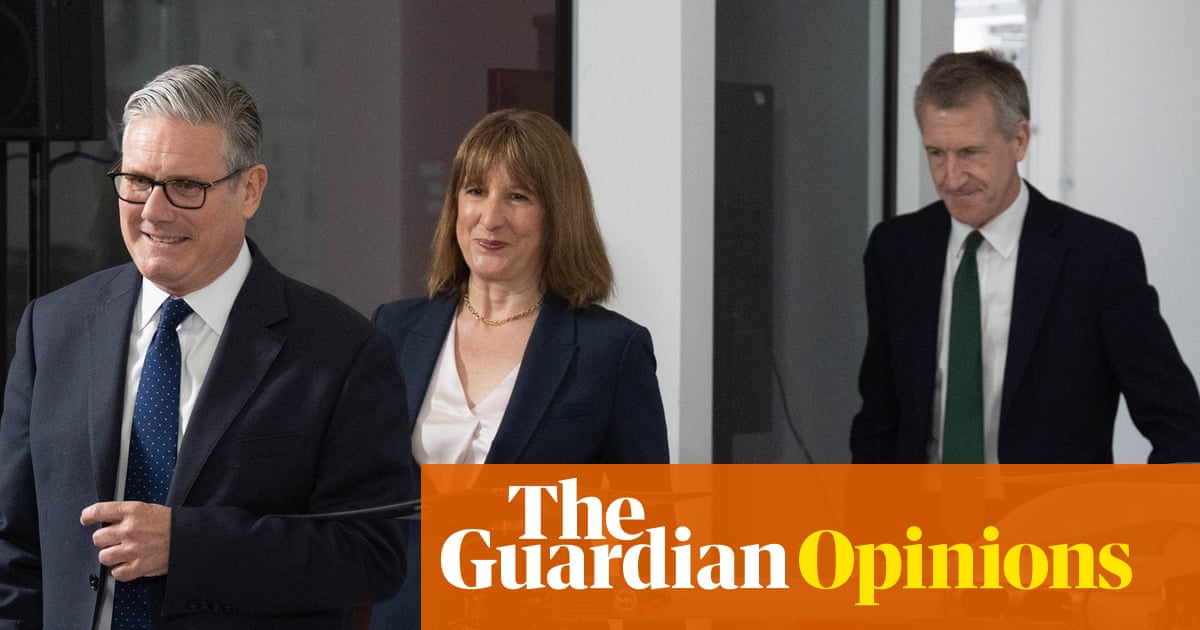 ✓
✓There was an air of melancholy as the defence investment plan (Dip) was announced at Malloy Aeronautics in Maidenhead. A sense that the main figures were fading out of history even as the legacy was being written, as if the event were sepia-tinted.
The Dip was supposed to be Keir Starmer’s lasting bequest to the country. His gift to an ungrateful nation. And if it is to be his swansong, it couldn’t be more Keir if it tried: something that manages not to satisfy any of the major players involved – the military, nor our allies – and probably not even Keir himself. The story of his time in government.
First to speak was Dan Jarvis, the defence secretary for these past few weeks since the resignation of his predecessor. He conveniently forgot to point out that the extra £1.5bn he had managed to extract from the Treasury still fell well short of the bare minimum John Healey had said was required to fulfil the UK’s commitments to Nato at the speed the military wanted. Maybe he was just hoping that no one would notice. Or was a bit pushed for time. He was reportedly asked to cut the bit he had wanted to say about the chief of staff backing the Dip. Because he apparently doesn’t.
Instead, Jarvis chose to look on the bright side. The shininess of the new kit for the armed services. The excitement over more drone capacity. We would now be ready for any kind of modern warfare. Except for one that involved warfare. “I will seek to do everything I can for the military,” he concluded. Though he might not have that choice. He is reportedly desperate to stay on as defence secretary in the Burnham government, but Andy may have other ideas.
Rachel Reeves was rather more sanguine about her future. “In my two years as chancellor …” she said. She has come to accept there won’t be a third. By reprioritising spending, she had come up with the £15bn defence uplift and she paid tribute to Jarvis for his part in the negotiations. Mostly for not causing any further embarrassment by being the second defence secretary to resign when she didn’t give him the money he wanted. Dan had been a lot easier to work with. Less grumpy, more personable. She ended by thanking Keir – “my friend, our prime minister” – for his moral clarity. It had looked as if they had fallen out last week. Now they seemed reconciled to going down with the same ship.
This was clearly not a moment to talk about past divisions. Merely to focus on a brilliant future. Starmer also made little mention of the fact that the Dip had been first expected almost a year ago and had been repeatedly delayed because ministers had been unable to reach an agreement. Until the arrival of the more amiable Dan. Instead, Keir focused on the changing nature of warfare. The peace dividend was over. The world was a lot less safe than it used to be. To avoid war, you had to prepare for war.
Just that there were limits. You could be too prepared. “The hard truth,” said Keir, “is that there are no easy answers. The settlement was the right settlement within the fiscal rules.” The spending budgets of other departments had been cut. We would have to live with potholes to secure our safety. It was the best that he could do. The Tories had hollowed out defence during their 14 years in office and there just wasn’t the money available to do everything the military wanted. Besides, they had also signed some brain-dead contracts with defence manufacturers to maintain equipment that was long since obsolete.
But this was not a time to be downhearted. Nothing was really that bad. We were spending more than we had done. Just not as much as we had said we would in the strategic defence review. Yet everyone was a winner. The British people were safer. We would be buying military hardware from British firms regardless of whether they were cheaper elsewhere. And our allies would hopefully not notice that we had no chance of meeting our promise to increase spending to 3.5% of GDP by 2035. Ukraine somehow got by with improvisation. We would too.
Then came the questions from the media. Would we be able to win a war if Russia invaded us? Absolutely. We could win any war against anyone. Keir looked at his notes. Beth Rigby from Sky Sports. A sure giveaway that Starmer is now demob happy. We know that in between watching World Cup games on the main channels he’s been watching the Test match on Sky. He’s already planning his viewing schedule for next season’s Premier League.
Beth seemed somewhat taken aback at the possibility that Sky News’s political editor had defected to its sport channels, but somehow resisted the opportunity to ask if Andy Burnham should resign if England lost to DR Congo on Wednesday. Instead Rigby wondered if Andy was all signed up to the Dip and would increase the funding in the next spending review. You could almost hear the gritting of Andy’s teeth from his office in London. He can recognise a poisoned chalice when he sees it. Keir sighed. This was the end of his journey. He was leaving the country in a better place than he found it. It was all someone else’s problem from now on.
after newsletter promotion
Several hours later, Jarvis was in the Commons to make a statement. It was almost as if he needed to convince himself as well as MPs that it was going to be a resounding success. He began by saying that he had promised to get the armed forces all the kit when he had become defence minister just a couple of weeks previously, and now he was making good on his word. Which rather implied he felt that Healey had been asking for way too much. Or maybe Dan just isn’t very good at maths. Or is a diehard optimist. On the laws of probability, someone has to be.
From the opposition benches – and from some Labour MPs – came the cry of “too little, too late”. The money was insufficient and all the kit would arrive five years after we had lost a war. This was a bit of a cheek from the shadow defence secretary, James Cartlidge, as it had been the Tories who had done most to leave the country insecure. But being in opposition has its benefits: not least, not having to find the money to pay for anything.
Healey resisted the temptation to stick the boot in. His observations were more in sorrow than in anger. He wished everyone well and just hoped more money could be found in future settlements. So he would try to bite his lips and not say: “I told you so”.
Read the full story at Al Jazeera ↗ · The Guardian ↗ · The Guardian ↗
The UK government announced a defence investment plan involving £15 billion in additional spending over the coming period. Defence Secretary Dan Jarvis and Chancellor Rachel Reeves presented the plan, which represents an increase on current defence budgets but remains below the level previously identified as necessary to meet NATO commitments at the pace military leadership requested. The plan was delayed repeatedly over approximately a year while ministers negotiated budget allocations. The government states the spending is calibrated within fiscal constraints and requires offsetting reductions in other departmental budgets. Opposition figures have noted the funding level may be insufficient given current geopolitical risks, while government representatives argue it represents appropriate prioritisation given available resources.
Read the full story at Al Jazeera ↗ · The Guardian ↗ · The Guardian ↗
There was an air of melancholy as the defence investment plan (Dip) was announced at Malloy Aeronautics in Maidenhead. A sense that the main figures were fading out of history even as the legacy was being written, as if the event were sepia-tinted.
The Dip was supposed to be Keir Starmer’s lasting bequest to the country. His gift to an ungrateful nation. And if it is to be his swansong, it couldn’t be more Keir if it tried: something that manages not to satisfy any of the major players involved – the military, nor our allies – and probably not even Keir himself. The story of his time in government.
First to speak was Dan Jarvis, the defence secretary for these past few weeks since the resignation of his predecessor. He conveniently forgot to point out that the extra £1.5bn he had managed to extract from the Treasury still fell well short of the bare minimum John Healey had said was required to fulfil the UK’s commitments to Nato at the speed the military wanted. Maybe he was just hoping that no one would notice. Or was a bit pushed for time. He was reportedly asked to cut the bit he had wanted to say about the chief of staff backing the Dip. Because he apparently doesn’t.
Instead, Jarvis chose to look on the bright side. The shininess of the new kit for the armed services. The excitement over more drone capacity. We would now be ready for any kind of modern warfare. Except for one that involved warfare. “I will seek to do everything I can for the military,” he concluded. Though he might not have that choice. He is reportedly desperate to stay on as defence secretary in the Burnham government, but Andy may have other ideas.
Rachel Reeves was rather more sanguine about her future. “In my two years as chancellor …” she said. She has come to accept there won’t be a third. By reprioritising spending, she had come up with the £15bn defence uplift and she paid tribute to Jarvis for his part in the negotiations. Mostly for not causing any further embarrassment by being the second defence secretary to resign when she didn’t give him the money he wanted. Dan had been a lot easier to work with. Less grumpy, more personable. She ended by thanking Keir – “my friend, our prime minister” – for his moral clarity. It had looked as if they had fallen out last week. Now they seemed reconciled to going down with the same ship.
This was clearly not a moment to talk about past divisions. Merely to focus on a brilliant future. Starmer also made little mention of the fact that the Dip had been first expected almost a year ago and had been repeatedly delayed because ministers had been unable to reach an agreement. Until the arrival of the more amiable Dan. Instead, Keir focused on the changing nature of warfare. The peace dividend was over. The world was a lot less safe than it used to be. To avoid war, you had to prepare for war.
Just that there were limits. You could be too prepared. “The hard truth,” said Keir, “is that there are no easy answers. The settlement was the right settlement within the fiscal rules.” The spending budgets of other departments had been cut. We would have to live with potholes to secure our safety. It was the best that he could do. The Tories had hollowed out defence during their 14 years in office and there just wasn’t the money available to do everything the military wanted. Besides, they had also signed some brain-dead contracts with defence manufacturers to maintain equipment that was long since obsolete.
But this was not a time to be downhearted. Nothing was really that bad. We were spending more than we had done. Just not as much as we had said we would in the strategic defence review. Yet everyone was a winner. The British people were safer. We would be buying military hardware from British firms regardless of whether they were cheaper elsewhere. And our allies would hopefully not notice that we had no chance of meeting our promise to increase spending to 3.5% of GDP by 2035. Ukraine somehow got by with improvisation. We would too.
Then came the questions from the media. Would we be able to win a war if Russia invaded us? Absolutely. We could win any war against anyone. Keir looked at his notes. Beth Rigby from Sky Sports. A sure giveaway that Starmer is now demob happy. We know that in between watching World Cup games on the main channels he’s been watching the Test match on Sky. He’s already planning his viewing schedule for next season’s Premier League.
Beth seemed somewhat taken aback at the possibility that Sky News’s political editor had defected to its sport channels, but somehow resisted the opportunity to ask if Andy Burnham should resign if England lost to DR Congo on Wednesday. Instead Rigby wondered if Andy was all signed up to the Dip and would increase the funding in the next spending review. You could almost hear the gritting of Andy’s teeth from his office in London. He can recognise a poisoned chalice when he sees it. Keir sighed. This was the end of his journey. He was leaving the country in a better place than he found it. It was all someone else’s problem from now on.
after newsletter promotion
Several hours later, Jarvis was in the Commons to make a statement. It was almost as if he needed to convince himself as well as MPs that it was going to be a resounding success. He began by saying that he had promised to get the armed forces all the kit when he had become defence minister just a couple of weeks previously, and now he was making good on his word. Which rather implied he felt that Healey had been asking for way too much. Or maybe Dan just isn’t very good at maths. Or is a diehard optimist. On the laws of probability, someone has to be.
From the opposition benches – and from some Labour MPs – came the cry of “too little, too late”. The money was insufficient and all the kit would arrive five years after we had lost a war. This was a bit of a cheek from the shadow defence secretary, James Cartlidge, as it had been the Tories who had done most to leave the country insecure. But being in opposition has its benefits: not least, not having to find the money to pay for anything.
Healey resisted the temptation to stick the boot in. His observations were more in sorrow than in anger. He wished everyone well and just hoped more money could be found in future settlements. So he would try to bite his lips and not say: “I told you so”.
Read the full story at Al Jazeera ↗ · The Guardian ↗ · The Guardian ↗
The UK government announced a £15 billion defence spending increase The increase falls short of the amount defence officials stated was needed to fulfil NATO commitments at the military's desired pace The defence investment plan was delayed for approximately a year due to disagreement between ministers Defence Secretary Dan Jarvis took office weeks before the announcement and was reportedly less inclined than his predecessor to resist budget constraints The government states the spending is calibrated within fiscal rules and requires offsetting cuts to other departmental budgets Opposition and some Labour figures characterised the announcement as 'too little, too late' The announcement had an atmosphere of resignation or reluctance The spending plan fails to satisfy military requirements or allied expectations
Read the full story at Al Jazeera ↗ · The Guardian ↗ · The Guardian ↗
- UK government announced a £15 billion defence spending increase, part of a broader multi-year investment plan
- The funding falls short of military requests and NATO commitments that defence officials had previously stated were necessary
- The announcement was delayed multiple times over nearly a year due to disagreements between ministers on spending priorities
- Spending increases in defence will require reductions in other departmental budgets