Student loan promotion in England and Wales amounted to mis-selling, MPs say
 ✓
✓Slideshows that compared student loan repayments with the cost of a mobile phone contract, and YouTube videos that did not mention the fact that loan terms could change amounted to mis-selling by the government, MPs have said.
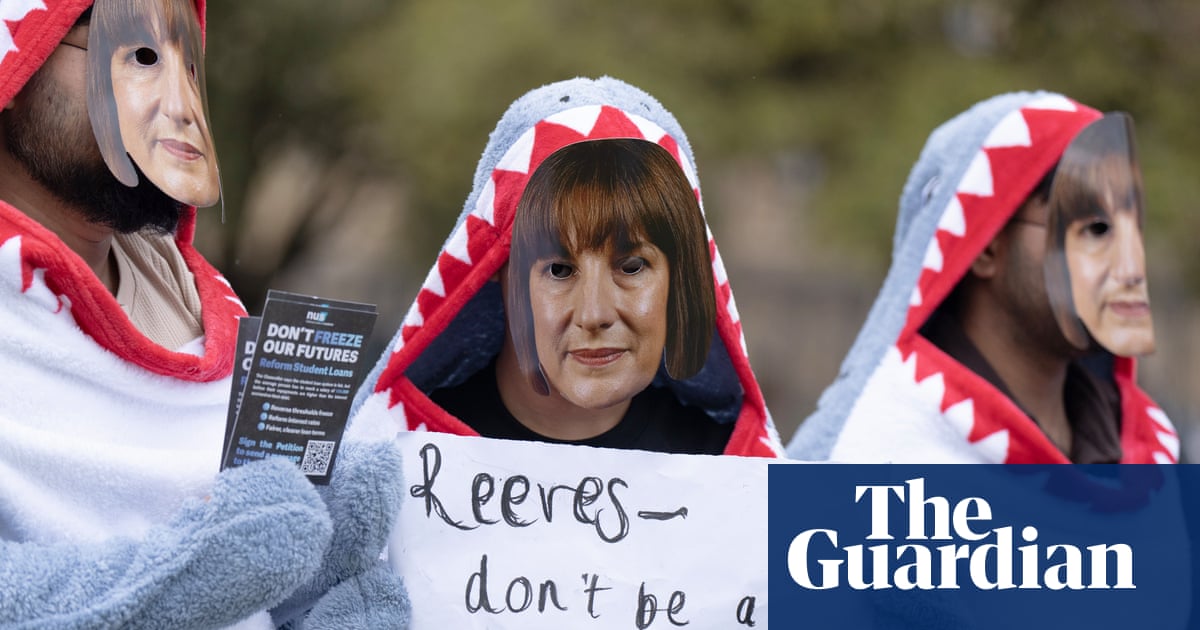
The chancellor, Rachel Reeves, caused a furore last year when she announced that the repayment threshold on plan 2 student loans would be frozen at £29,385 for three years from April 2027.
Above this salary level, graduates will have to repay 9% of anything they earn, and the freeze means any pay increase they receive is not protected from the rising cost of living.
In a report published on Tuesday, the Treasury select committee said ministers had a moral obligation to reverse the decision and honour the terms under which the finance was sold to young people.
It said successive governments had “taken the politically convenient option of loading burdens on to younger generations, hoping that they will not notice until future years”.
Students from England who started university between September 2012 and July 2023, and students from Wales who started between September 2012 and the present day took out plan 2 loans.
When they were first announced in 2010, the government of the time said the £21,000 earnings threshold would be uprated annually in line with earnings from 2016. It was then frozen from 2016 to 2018 and again from 2021 to 2025.
The committee highlighted three instances it said amounted to mis-selling to students.
These were YouTube videos and slides that did not disclose that the government could vary the terms and conditions of loans retrospectively and promotional material suggesting the monthly cost of repayments was comparable with that of a mobile phone contract, which was inaccurate for higher earners.
The third claim was that the Student Loan Company, which administers government-backed loans for tuition and maintenance, had not made it clear enough in the loan application process that the government could retrospectively change the terms and conditions.
The Guardian has reported on the cases of students who owe tens of thousands of pounds and, as a result of high interest rates, whose debt has increased every month even though they are making repayments.
The committee survey of experiences received more than 52,000 responses, more than half said they had not understood the terms and conditions before they took their loan out. One called the repayments “a tax on ambition”.
In April the government announced a cap on loan interest rates of 6%, but it has so far resisted calls to unfreeze the repayment threshold.
The Treasury committee’s chair, Meg Hillier, said it was not common for it to agree that a specific budget measure must be reversed.
“Our report is a signal to the Treasury and the Department for Education that this can no longer be ignored,” she said. “Patience has run out.”
She said reversing the threshold freeze would be “a modest change that would not eat up vast resources”.
“Importantly, I believe it would go a long way to repairing the damage done to the trust between graduates and those responsible for overseeing the student loans system,” she said.
A government spokesperson said the committee’s report was an “important contribution to the debate on improving the student finance system, and lays bare the confused, and broken system inherited”.
They said ministers were looking for ways to make the system fairer in a financially sustainable way, and would respond to the committee in due course.
“It is vital students are given clear and accurate information so they can make informed decisions about their future and we are working closely with the Student Loans Company on communications to students,” they said.
Read the full story at The Guardian ↗ · BBC ↗
A UK parliamentary committee has concluded that how the government marketed student loans to undergraduates between 2012 and 2023 contained material omissions and misleading comparisons. The committee identified three categories of promotional content as problematic: audiovisual materials that did not explain the government could retrospectively alter loan terms, marketing that compared monthly repayments to mobile phone contract costs without accuracy-checking for higher earners, and the loan application process itself, which did not sufficiently clarify that terms could change after borrowing. The threshold at which repayment begins—currently set at £29,385—has been frozen since April 2025 and will remain so until April 2030 under a recent policy decision. The committee surveyed over 52,000 borrowers; more than half reported not fully understanding their terms before taking loans. The committee has asked the government to reverse the freeze. The government acknowledges the system requires improvement and says it is consulting on changes, though it has not committed to unfreezing the threshold.
Read the full story at The Guardian ↗ · BBC ↗
Slideshows that compared student loan repayments with the cost of a mobile phone contract, and YouTube videos that did not mention the fact that loan terms could change amounted to mis-selling by the government, MPs have said.
The chancellor, Rachel Reeves, caused a furore last year when she announced that the repayment threshold on plan 2 student loans would be frozen at £29,385 for three years from April 2027.
Above this salary level, graduates will have to repay 9% of anything they earn, and the freeze means any pay increase they receive is not protected from the rising cost of living.
In a report published on Tuesday, the Treasury select committee said ministers had a moral obligation to reverse the decision and honour the terms under which the finance was sold to young people.
It said successive governments had “taken the politically convenient option of loading burdens on to younger generations, hoping that they will not notice until future years”.
Students from England who started university between September 2012 and July 2023, and students from Wales who started between September 2012 and the present day took out plan 2 loans.
When they were first announced in 2010, the government of the time said the £21,000 earnings threshold would be uprated annually in line with earnings from 2016. It was then frozen from 2016 to 2018 and again from 2021 to 2025.
The committee highlighted three instances it said amounted to mis-selling to students.
These were YouTube videos and slides that did not disclose that the government could vary the terms and conditions of loans retrospectively and promotional material suggesting the monthly cost of repayments was comparable with that of a mobile phone contract, which was inaccurate for higher earners.
The third claim was that the Student Loan Company, which administers government-backed loans for tuition and maintenance, had not made it clear enough in the loan application process that the government could retrospectively change the terms and conditions.
The Guardian has reported on the cases of students who owe tens of thousands of pounds and, as a result of high interest rates, whose debt has increased every month even though they are making repayments.
The committee survey of experiences received more than 52,000 responses, more than half said they had not understood the terms and conditions before they took their loan out. One called the repayments “a tax on ambition”.
In April the government announced a cap on loan interest rates of 6%, but it has so far resisted calls to unfreeze the repayment threshold.
The Treasury committee’s chair, Meg Hillier, said it was not common for it to agree that a specific budget measure must be reversed.
“Our report is a signal to the Treasury and the Department for Education that this can no longer be ignored,” she said. “Patience has run out.”
She said reversing the threshold freeze would be “a modest change that would not eat up vast resources”.
“Importantly, I believe it would go a long way to repairing the damage done to the trust between graduates and those responsible for overseeing the student loans system,” she said.
A government spokesperson said the committee’s report was an “important contribution to the debate on improving the student finance system, and lays bare the confused, and broken system inherited”.
They said ministers were looking for ways to make the system fairer in a financially sustainable way, and would respond to the committee in due course.
“It is vital students are given clear and accurate information so they can make informed decisions about their future and we are working closely with the Student Loans Company on communications to students,” they said.
Read the full story at The Guardian ↗ · BBC ↗
YouTube videos and slides used to promote plan 2 student loans did not disclose that the government could vary terms and conditions retrospectively. Promotional material compared monthly repayment costs to mobile phone contracts, and this comparison was inaccurate for higher earners. The Student Loan Company did not make sufficiently clear during the application process that terms could be retrospectively changed. The government announced in 2010 that the £21,000 earnings threshold would be uprated annually in line with earnings from 2016 onwards. The threshold was frozen from 2016 to 2018, again from 2021 to 2025, and will remain frozen until April 2030. A Treasury committee survey received 52,000+ responses; more than half said they had not understood the terms before taking their loan out. The government capped loan interest rates at 6% in April. The committee said successive governments had 'taken the politically convenient option of loading burdens on to younger generations, hoping that they will not notice until future years.' The committee stated ministers had a moral obligation to reverse the threshold freeze and honour the terms under which the finance was sold. The committee chair said reversing the freeze would be 'a modest change that would not eat up vast resources' and would 'go a long way to repairing the damage done to the trust between graduates and those responsible for overseeing the student loans system.'
Read the full story at The Guardian ↗ · BBC ↗
- MPs say UK government promotion of student loans to undergraduates (2012–2023) amounted to mis-selling through misleading comparisons and incomplete disclosure of terms
- The Treasury select committee cited three specific issues: YouTube videos and slides that did not disclose retrospective term changes, mobile phone cost comparisons that were inaccurate for higher earners, and unclear application-stage disclosure
- Chancellor Rachel Reeves froze the repayment threshold at £29,385 from April 2027 for three years; the committee says successive governments should reverse this and honour original sale terms
- A Treasury committee survey of 52,000+ respondents found more than half did not understand loan terms before borrowing; the committee chair said reversing the freeze would repair trust and require modest resources
- The government says it is reviewing the student finance system and working on clearer communications, but has resisted unfreezing the threshold despite capping interest rates at 6%