Survey finds 'significantly more' ancient woodland
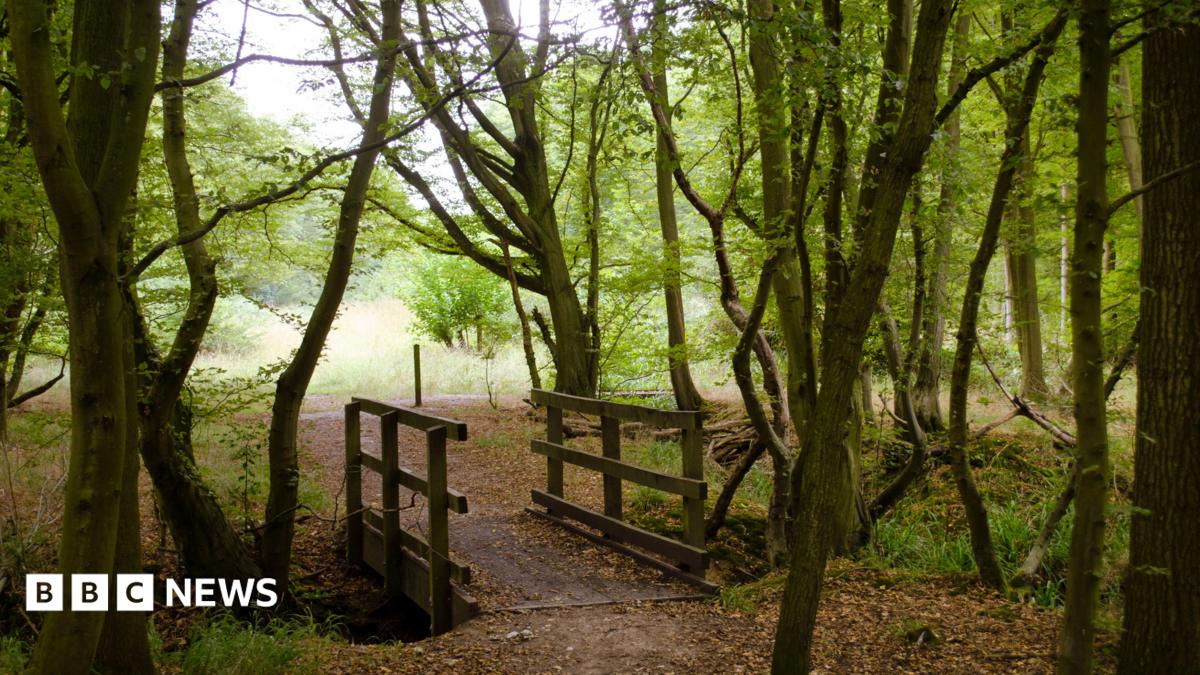
Image source, Frieda Rummenhohl
Balls Wood in Hertford is a large, varied woodland boasting wide sunny rides, the trust said
ByAlex Pope
Bedfordshire, Hertfordshire and Buckinghamshire
There is "significantly more" ancient woodland in Hertfordshire than previously recorded, new information confirmed.
The Herts and Middlesex Wildlife Trust (HMWT) said advancements in digital mapping and identification showed 50% more documented sites than originally compiled in an inventory of ancient woodland between 1981 and 1992.
It said the data submitted to Natural England would help to protect against future development and to improve management of sites for forestry and leisure.
The trust's records centre manager, Alex Waechter, said: "We have a chance to combat the losses and fragmentation of the past two centuries through the creation of new linking habitats and wildlife corridors."
Image source, Frieda Rummenhohl
Astonbury Wood is an ancient woodland that is known to have bluebells
The newly recorded ancient woodland was the result of better digital mapping, the consideration of smaller woodlands and a new category for ancient pasture and parkland that did not exist previously, the wildlife trust explained.
Waechter added: "This project utilised decades of botanical survey by professional ecologists and skilled volunteers, knowledge of local places by the people who live there, and a career's worth of local insight from our contributing historian."
Image source, Jenny Sherwen
Herb Paris is "locally rare, declining and very distinctive", the trust said
Fiona Mahon, HMWT director of nature recovery, said ancient woodlands were a "special type of woodland that have developed for centuries and have had continuous woodland cover since 1600".
They are home to rare and threatened species, such as the bluebell, the herb Paris, the barbastelle bat and the red-listed and locally declining marsh tit.
"They have the potential to support the highest diversity of species of any woodland type and play a vital role in the fight against climate change by capturing and storing carbon," Mahon added.
Image source, Josh Kubale
Gobions Wood in Potters Bar is a woodland with bluebells and wood anemones, the trust said
HMWT said mapping from the Ancient Woodland Inventory would inform its "emerging nature recovery strategy and action plan, supporting the charity's efforts to protect, connect and expand woodlands across the county".
It will work to help deliver "the national and global target to protect and restore at least 30% of land for nature by 2030".
Image source, Mark Hamblin
The wood anemone thrives in ancient woodlands and its presence indicates a rich ecological history
Do you have a story suggestion for Beds, Herts or Bucks? Contact us below.
Read the full story at BBC ↗
Hertfordshire's Herts and Middlesex Wildlife Trust has documented significantly more ancient woodland than previously known. Improved digital mapping, inclusion of smaller woodlands, and a new category for ancient pasture and parkland added 50% more recorded sites to the original 1981–1992 inventory. Ancient woodlands are defined as having continuous cover since 1600 and support rare and threatened species. The updated data will be submitted to Natural England to inform land protection decisions and woodland management. The trust plans to use the findings in its nature recovery strategy, contributing to the national 2030 target of protecting 30% of land for nature.
Read the full story at BBC ↗
Image source, Frieda Rummenhohl
Balls Wood in Hertford is a large, varied woodland boasting wide sunny rides, the trust said
ByAlex Pope
Bedfordshire, Hertfordshire and Buckinghamshire
There is "significantly more" ancient woodland in Hertfordshire than previously recorded, new information confirmed.
The Herts and Middlesex Wildlife Trust (HMWT) said advancements in digital mapping and identification showed 50% more documented sites than originally compiled in an inventory of ancient woodland between 1981 and 1992.
It said the data submitted to Natural England would help to protect against future development and to improve management of sites for forestry and leisure.
The trust's records centre manager, Alex Waechter, said: "We have a chance to combat the losses and fragmentation of the past two centuries through the creation of new linking habitats and wildlife corridors."
Image source, Frieda Rummenhohl
Astonbury Wood is an ancient woodland that is known to have bluebells
The newly recorded ancient woodland was the result of better digital mapping, the consideration of smaller woodlands and a new category for ancient pasture and parkland that did not exist previously, the wildlife trust explained.
Waechter added: "This project utilised decades of botanical survey by professional ecologists and skilled volunteers, knowledge of local places by the people who live there, and a career's worth of local insight from our contributing historian."
Image source, Jenny Sherwen
Herb Paris is "locally rare, declining and very distinctive", the trust said
Fiona Mahon, HMWT director of nature recovery, said ancient woodlands were a "special type of woodland that have developed for centuries and have had continuous woodland cover since 1600".
They are home to rare and threatened species, such as the bluebell, the herb Paris, the barbastelle bat and the red-listed and locally declining marsh tit.
"They have the potential to support the highest diversity of species of any woodland type and play a vital role in the fight against climate change by capturing and storing carbon," Mahon added.
Image source, Josh Kubale
Gobions Wood in Potters Bar is a woodland with bluebells and wood anemones, the trust said
HMWT said mapping from the Ancient Woodland Inventory would inform its "emerging nature recovery strategy and action plan, supporting the charity's efforts to protect, connect and expand woodlands across the county".
It will work to help deliver "the national and global target to protect and restore at least 30% of land for nature by 2030".
Image source, Mark Hamblin
The wood anemone thrives in ancient woodlands and its presence indicates a rich ecological history
Do you have a story suggestion for Beds, Herts or Bucks? Contact us below.
Read the full story at BBC ↗
Digital mapping and identification showed 50% more ancient woodland sites in Hertfordshire than originally recorded in an inventory from 1981–1992 The increase resulted from better digital mapping, consideration of smaller woodlands, and a new category for ancient pasture and parkland Ancient woodlands are defined as woodlands with continuous cover since 1600 These woodlands are home to species including bluebells, herb Paris, barbastelle bats and marsh tits Ancient woodlands 'have the potential to support the highest diversity of species of any woodland type' Ancient woodlands 'play a vital role in the fight against climate change by capturing and storing carbon' The data will help protect against future development and improve management of sites
Read the full story at BBC ↗
- Digital mapping has revealed 50% more ancient woodland sites in Hertfordshire than the 1981–1992 inventory recorded
- Ancient woodlands—continuous since 1600—harbour rare species including bluebells, herb Paris, barbastelle bats and marsh tits
- The expanded dataset will inform conservation strategy and support the 2030 target to protect 30% of land for nature