Sydney shark attack survivor awake, alert and ‘remembers the whole event in detail’, brother says
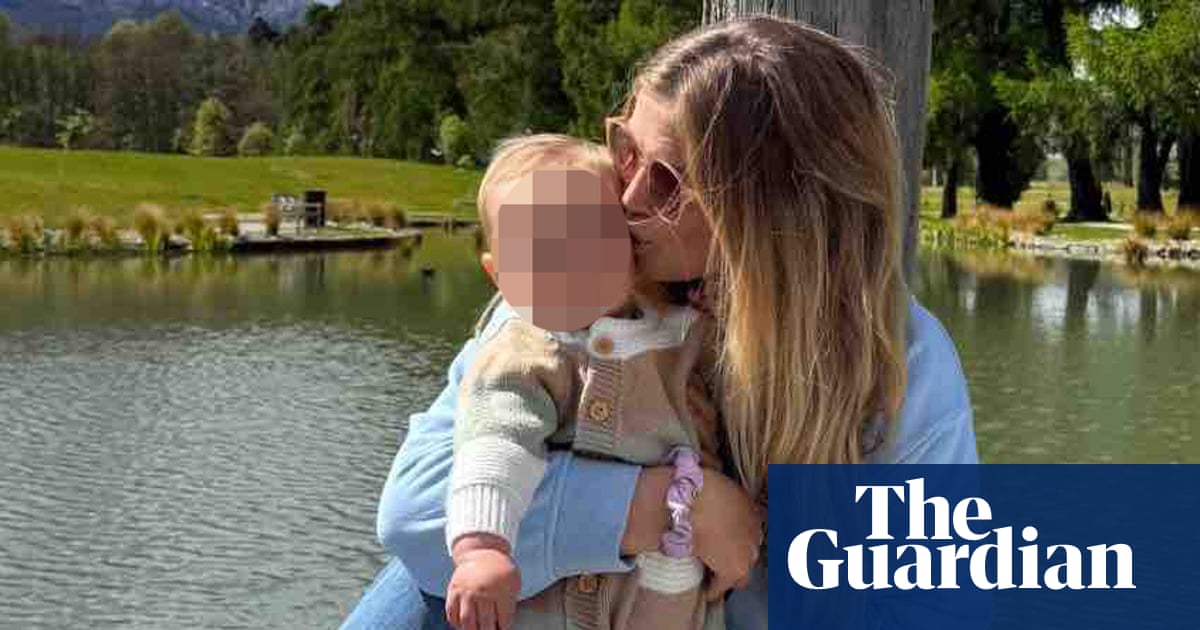
A woman who was attacked by a great white shark at Sydney’s Coogee beach is no longer in a critical condition and “remembers the whole event in detail”, her brother has said.
Leah Stewart’s brother Joshua provided the update on a fundraising site on Thursday, writing that it was “amazing to hear from her so much sooner than anyone expected” and that his sister had been “overjoyed” to see her daughter for the first time since the incident almost two weeks ago.
The 34-year-old teacher will remain in hospital as she continues to recover from surgeries – including an arm amputation.
“Her remaining arm has severe tendon and nerve damage, which will require further repair and intensive rehabilitation,” Joshua wrote, adding she did not yet have use of her hand.
“Leah still has a long way to go, with an extensive recovery and rehabilitation process that will have her in and out of surgery through the coming weeks. Leah has shown she is so strong, fighting to come back to her daughter August.”
Sydney beaches have been closed for three days in a row due to great white shark sightings, with one expert warning the predators were coming close to shore to feed on “big balls of salmon off the beaches right now”.
Bondi beach was briefly shut on Sunday due to a sighting and then again on Tuesday, Wednesday and Thursday after local authorities were alerted to great whites.
Other beaches in the Waverley council area, including Tamarama and Bronte, were also closed on Thursday, along with beaches in the neighbouring Randwick council area, including Clovelly and Maroubra.
Drone footage posted to social media by the Drone Shark App showed both great white and tiger sharks at Bondi.
The New South Wales department of primary industries said locals “will have noticed the increasing detections of white sharks on our tagged shark listening stations” but noted “this is not an uncommon occurrence at this time of year”.
Marine biologist and shark expert Rob Harcourt – a regular swimmer at Bondi – said it was the “peak time of year when they swim past”.
“They follow the Australian salmon, which migrate up the coast,” the Macquarie University emeritus professor said.
“And there are big balls of salmon off the beaches right now. Multiple shark species are coming in to feed on the salmon, because they’re big, fat, juicy and full of calories.”
Prof Culum Brown, the head of the Fish Lab at Macquarie University, said most sightings or interactions with great whites involved juveniles, which typically move along the NSW coast in late autumn and early winter.
“The adults are often out in the ocean. They travel big, big distances and spend a lot of time offshore,” Brown said. “Juveniles tend to be far more coastal, and they also move up and down reasonably, predictably.”
Brown said that after a certain growth period, juvenile sharks begin “experimenting” with their food sources.
“They switch from a fish-oriented diet, and they start incorporating things like seals and turtles and bigger things … and unfortunately, occasionally they approach swimmers and snorkelers, divers, more often than not, spearfishermen, and of course, the surfers.”
Eugene Tan has lived in Bondi for more than 30 years.
The 52-year-old photographer carries a camera to capture the local environment from the sand or in the water almost every day.
Tan was among the locals ushered away from the beach when Bondi’s shark alarm blared on Tuesday. When the siren sounded, one of his two teenage sons was in the water.
“As a parent, you worry that something happens. But they came in. The lifeguards called everyone in and said ‘it’s a great white, take it seriously’,” Tan said.
Tan said he had “never physically seen a great white shark in the bay” at Bondi during his three decades of taking photographs.
“To see through that [Drone Shark App] that one has been visiting the bay every day for three days in a row is pretty crazy. I mean, it’s unprecedented,” he said.
Tan and his family have “never not gone in the ocean”, but the local said this week it “feels like something’s quite different”.
“The whole family’s not in the ocean. The risk is just too high, and especially with a white pointer … it’s kind of the pinnacle of threat in the ocean.”
The NSW premier, Chris Minns, said this week that the government would be rolling out “world-leading” shark drones across more of the state’s beaches.
“We’ll be using technology that’s available, but hasn’t been rolled out at scale anywhere in the world, not in California, not in Florida, [nor South Africa] … places where you’ve got developed world economies, large tourism populations and sharks,” Minns said on Wednesday. “We’ll be first.”
Harcourt said that was a good thing, and while it would come with a cost, it was one worth paying.
“It will not only make people feel safer, but it will probably ensure that they are safer,” the professor said.
“But what it will also mean is that we spend less time in the water. With more drones in the air, you’ll spot those sharks that were always there, but just weren’t seen before.”
Read the full story at The Guardian ↗
A woman in her mid-thirties attacked by a great white shark at Sydney's Coogee beach has regained consciousness and is no longer in critical condition. She has undergone surgery including an arm amputation and faces ongoing rehabilitation for nerve and tendon damage to her other arm. Her brother reported she remains alert and aware of events. Following this incident, Sydney beaches have experienced multiple closures due to great white shark sightings detected by monitoring systems and drone surveillance. Marine biologists explain that juvenile great whites migrate along the NSW coast during late autumn and early winter, following Australian salmon populations. The state government plans to expand drone surveillance technology across more beaches as part of shark safety measures.
Read the full story at The Guardian ↗
A woman who was attacked by a great white shark at Sydney’s Coogee beach is no longer in a critical condition and “remembers the whole event in detail”, her brother has said.
Leah Stewart’s brother Joshua provided the update on a fundraising site on Thursday, writing that it was “amazing to hear from her so much sooner than anyone expected” and that his sister had been “overjoyed” to see her daughter for the first time since the incident almost two weeks ago.
The 34-year-old teacher will remain in hospital as she continues to recover from surgeries – including an arm amputation.
“Her remaining arm has severe tendon and nerve damage, which will require further repair and intensive rehabilitation,” Joshua wrote, adding she did not yet have use of her hand.
“Leah still has a long way to go, with an extensive recovery and rehabilitation process that will have her in and out of surgery through the coming weeks. Leah has shown she is so strong, fighting to come back to her daughter August.”
Sydney beaches have been closed for three days in a row due to great white shark sightings, with one expert warning the predators were coming close to shore to feed on “big balls of salmon off the beaches right now”.
Bondi beach was briefly shut on Sunday due to a sighting and then again on Tuesday, Wednesday and Thursday after local authorities were alerted to great whites.
Other beaches in the Waverley council area, including Tamarama and Bronte, were also closed on Thursday, along with beaches in the neighbouring Randwick council area, including Clovelly and Maroubra.
Drone footage posted to social media by the Drone Shark App showed both great white and tiger sharks at Bondi.
The New South Wales department of primary industries said locals “will have noticed the increasing detections of white sharks on our tagged shark listening stations” but noted “this is not an uncommon occurrence at this time of year”.
Marine biologist and shark expert Rob Harcourt – a regular swimmer at Bondi – said it was the “peak time of year when they swim past”.
“They follow the Australian salmon, which migrate up the coast,” the Macquarie University emeritus professor said.
“And there are big balls of salmon off the beaches right now. Multiple shark species are coming in to feed on the salmon, because they’re big, fat, juicy and full of calories.”
Prof Culum Brown, the head of the Fish Lab at Macquarie University, said most sightings or interactions with great whites involved juveniles, which typically move along the NSW coast in late autumn and early winter.
“The adults are often out in the ocean. They travel big, big distances and spend a lot of time offshore,” Brown said. “Juveniles tend to be far more coastal, and they also move up and down reasonably, predictably.”
Brown said that after a certain growth period, juvenile sharks begin “experimenting” with their food sources.
“They switch from a fish-oriented diet, and they start incorporating things like seals and turtles and bigger things … and unfortunately, occasionally they approach swimmers and snorkelers, divers, more often than not, spearfishermen, and of course, the surfers.”
Eugene Tan has lived in Bondi for more than 30 years.
The 52-year-old photographer carries a camera to capture the local environment from the sand or in the water almost every day.
Tan was among the locals ushered away from the beach when Bondi’s shark alarm blared on Tuesday. When the siren sounded, one of his two teenage sons was in the water.
“As a parent, you worry that something happens. But they came in. The lifeguards called everyone in and said ‘it’s a great white, take it seriously’,” Tan said.
Tan said he had “never physically seen a great white shark in the bay” at Bondi during his three decades of taking photographs.
“To see through that [Drone Shark App] that one has been visiting the bay every day for three days in a row is pretty crazy. I mean, it’s unprecedented,” he said.
Tan and his family have “never not gone in the ocean”, but the local said this week it “feels like something’s quite different”.
“The whole family’s not in the ocean. The risk is just too high, and especially with a white pointer … it’s kind of the pinnacle of threat in the ocean.”
The NSW premier, Chris Minns, said this week that the government would be rolling out “world-leading” shark drones across more of the state’s beaches.
“We’ll be using technology that’s available, but hasn’t been rolled out at scale anywhere in the world, not in California, not in Florida, [nor South Africa] … places where you’ve got developed world economies, large tourism populations and sharks,” Minns said on Wednesday. “We’ll be first.”
Harcourt said that was a good thing, and while it would come with a cost, it was one worth paying.
“It will not only make people feel safer, but it will probably ensure that they are safer,” the professor said.
“But what it will also mean is that we spend less time in the water. With more drones in the air, you’ll spot those sharks that were always there, but just weren’t seen before.”
Read the full story at The Guardian ↗
A 34-year-old teacher was attacked by a great white shark at Coogee beach nearly two weeks ago The attack survivor is no longer in critical condition, is awake and alert, and remembers details of the incident The survivor has undergone amputation of one arm and has severe tendon and nerve damage in the other arm Sydney beaches were closed on multiple days this week (Sunday, Tuesday, Wednesday, Thursday) due to great white shark sightings Affected beaches included Bondi, Tamarama, Bronte, Clovelly and Maroubra Drone footage showed both great white and tiger sharks at Bondi The NSW Department of Primary Industries states that increasing detections of white sharks at this time of year is not uncommon Marine experts attribute recent shark sightings to seasonal Australian salmon migration up the coast, which attracts multiple shark species Juvenile great whites typically move along the NSW coast in late autumn and early winter Juvenile sharks may experiment with larger prey sources like seals and turtles as they grow A long-time Bondi resident described the three consecutive days of great white sightings as unprecedented The NSW government plans to roll out shark-detection drone technology across more beaches Expanded drone surveillance will make people feel safer and ensure they are safer
Read the full story at The Guardian ↗
- A 34-year-old Sydney teacher attacked by a great white shark at Coogee beach is conscious, alert, and recovering from arm amputation and severe nerve damage to her remaining arm
- Sydney beaches have been closed repeatedly this week following multiple great white shark sightings, with marine experts attributing this to seasonal salmon migration
- Juvenile great white sharks move along the NSW coast in late autumn and early winter following food sources; experts note this seasonal pattern is not unusual