The economic challenges facing the next prime minister
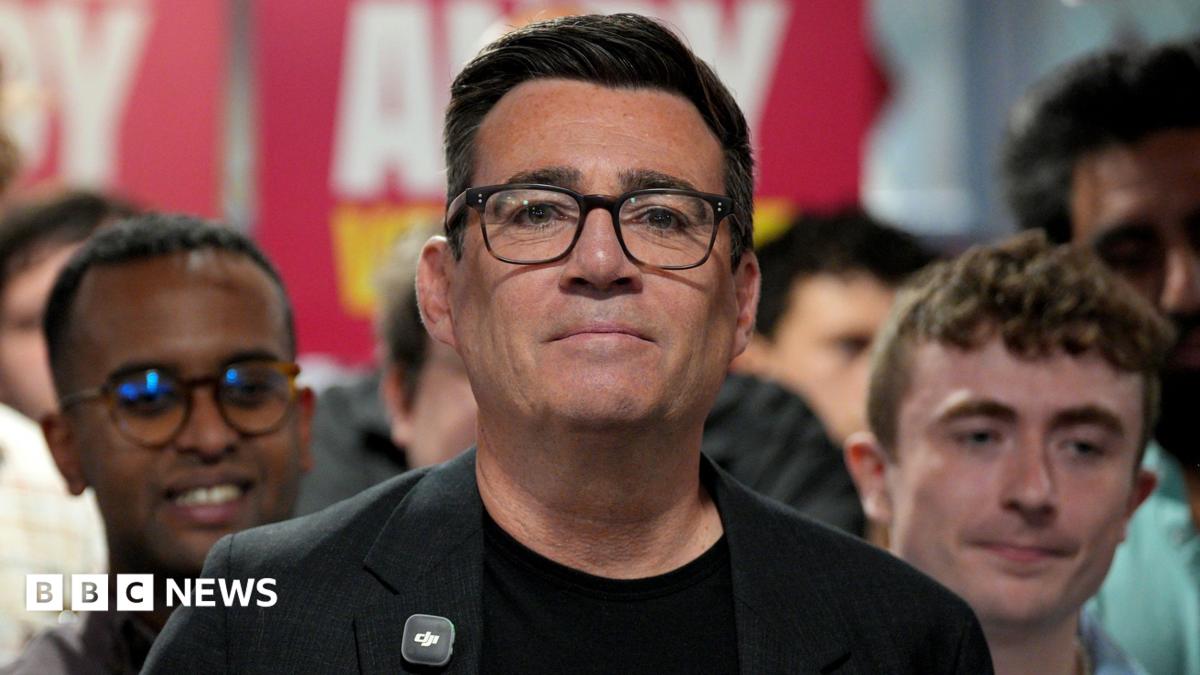
While older people are most likely to vote, it is younger generations who feel the most short changed.
With house prices rising more slowly than earnings, purchasing a home for the first time is more possible compared to just a couple of years ago. At the start of the year, the Nationwide Building Society said mortgage payments accounted for a third of take home pay – well below the record of 48% in 1989.
But today's prospective buyers tend to be juggling high rental costs too, making it harder to save for a deposit. This is partly why the average age of the first time buyer has risen over recent years.
The most sustainable solution is to build more homes, but the government's behind on its target. The number of new homes was down by 6% last year and below the 300,000 needed to reach the government's target.
Andy Burnham wants to build more social housing, which would help. But, as successive governments have found, it's not easy.
Housing is one the many big plans Burnham has hinted at to cure our economic malaise, but he has to grapple with a challenging inheritance.
Ironically, the easiest way to fund his plans would be to draw on the spoils of faster growth.
Like many before him, Andy Burnham's vision appears to be that you have to spend more money to make money. But whose money?
Read the full story at BBC ↗
Younger voters report feeling economically disadvantaged despite some improvements in housing affordability metrics. Mortgage payments currently represent roughly a third of take-home pay, substantially lower than the 1989 peak of 48%, yet first-time buyers struggle with concurrent rental obligations that limit savings capacity. This dynamic has raised the average age of first-time property purchase. Housing supply remains constrained: new construction declined 6% last year and fell short of the 300,000-unit annual target. Proposed policy responses include expanded social housing development, though implementation has historically proven complex across multiple administrations. Broader economic revitalisation depends on sustained investment, with growth itself potentially unlocking funding for such initiatives.
Read the full story at BBC ↗
While older people are most likely to vote, it is younger generations who feel the most short changed.
With house prices rising more slowly than earnings, purchasing a home for the first time is more possible compared to just a couple of years ago. At the start of the year, the Nationwide Building Society said mortgage payments accounted for a third of take home pay – well below the record of 48% in 1989.
But today's prospective buyers tend to be juggling high rental costs too, making it harder to save for a deposit. This is partly why the average age of the first time buyer has risen over recent years.
The most sustainable solution is to build more homes, but the government's behind on its target. The number of new homes was down by 6% last year and below the 300,000 needed to reach the government's target.
Andy Burnham wants to build more social housing, which would help. But, as successive governments have found, it's not easy.
Housing is one the many big plans Burnham has hinted at to cure our economic malaise, but he has to grapple with a challenging inheritance.
Ironically, the easiest way to fund his plans would be to draw on the spoils of faster growth.
Like many before him, Andy Burnham's vision appears to be that you have to spend more money to make money. But whose money?
Read the full story at BBC ↗
Younger generations report feeling more economically disadvantaged than older cohorts despite older people voting at higher rates Mortgage payments currently account for approximately a third of take-home pay, compared to a 1989 peak of 48% Home purchasing is more feasible for first-time buyers compared to a couple of years ago High rental costs make it harder for prospective buyers to save deposits The average age of first-time buyers has risen in recent years New home construction fell 6% last year, below the 300,000-unit government target Building more homes is the most sustainable solution to housing challenges Expanded social housing would help address affordability pressures Faster economic growth would provide the easiest funding mechanism for government plans
Read the full story at BBC ↗
- Housing affordability challenges persist despite mortgage payments being below 1989 peaks, as younger generations face high rental costs that impede deposit-saving
- New home construction fell 6% last year, missing the 300,000-unit government target needed to address supply constraints
- The next prime minister inherits economic challenges requiring sustained investment, with housing policy as a potential lever for growth