The Guardian view on private equity in the public sector: children’s services must be freed from debt-fuelled takeovers | Editorial
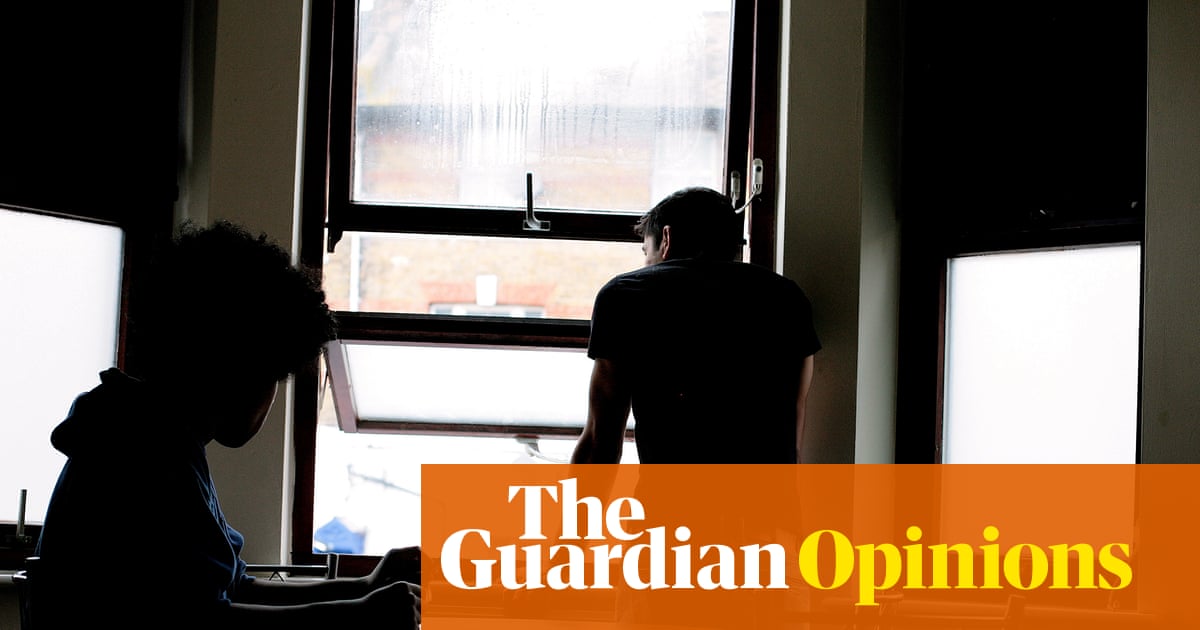
Children’s homes and care placements are not ordinary commodities. Yet Britain has allowed some of its most sensitive public services to become assets in private equity portfolios: bought, loaded with debt, restructured and sold, while the state continues to fund the contracts and vulnerable people carry the risk when things go wrong.
Private equity’s role in public services is not notional. The year after Compass Community was sold by its owner, Graphite Capital, to another private equity group, Cap10, the poor state of some of its children’s homes was made plain by Ofsted reports. Inspectors who visited two homes in England – which had previously been rated good and outstanding – found “high levels of distress” and staff as well as children feeling unsafe. Cap10 denies that standards fell following the change of ownership.
A disability equipment supplier’s collapse in 2025 left people without wheelchairs and hoists essential for daily living. Four Seasons, once one of Britain’s biggest care home providers, failed under £1.5bn of debt. The pattern is clear: financial engineering creates risks that vulnerable people are left to bear.
Such collapses offer dramatic proof of what can go wrong under private equity owners, who typically buy businesses and resell them a few years later, extracting as much capital as possible. But the wider, less visible effects of private equity’s role in public services also require scrutiny. New research by the Guardian has revealed the disturbing extent of this. About £24.4bn of public money went to companies controlled by private equity firms in the year to April 2025 – or £1 in every £11 of public spending on contractors.
More than a third came from council spending in specialist areas such as social care and special education, as well as essential services including cleaning and waste. Research on nurseries has found that private owners typically offer lower pay and fewer opportunities for parental involvement than public or non-profit ones. The risks are visible beyond public services. The competition authorities found veterinary consolidation left pet owners overpaying by £1bn. But when the same ownership model enters disability support or social care, the stakes are higher: people cannot simply walk away.
Private equity is built around leverage, rapid restructuring and exit. That makes it especially unsuitable for services involving councils’ statutory duties and human need. When a care provider fails, the damage cannot be contained by market choice. It falls on families, workers and the state.
Transparency rules should be tightened. The interests of workers and taxpayers should be considered along with shareholders, when the markets being regulated are not for consumer goods, such as shoes, but for healthcare and even childhood homes. Sale-and-leaseback arrangements, under which businesses lose ownership of their assets, should be eliminated from public services. So should the practice of transferring the loans used to buy a business to the balance-sheet of the business itself.
The Children’s Wellbeing and Schools Act 2026 created a beefed-up role for regional commissioners. Wales is in the process of eliminating profit-making from children’s social care altogether. The government should legislate to restrict private equity’s role in public services more widely. Firms whose primary expertise lies in financial engineering should not have so much sway over vulnerable people’s lives.
Read the full story at The Guardian ↗ · The Guardian ↗
Private equity ownership of public service providers has become substantial in the UK. Approximately £24.4bn annually—roughly one pound in every eleven of public spending on contractors—flows to private equity-controlled companies, with over a third coming from council spending on social care, special education, and essential services. Documented cases show quality issues: Ofsted inspections found distress and safety concerns at Compass Community homes after private equity ownership transfer. Service collapses including Four Seasons care homes (£1.5bn debt) and a disability equipment supplier in 2025 illustrate failure modes. The structural tension arises because private equity typically extracts capital through leverage and rapid reselling, while public services involve statutory obligations and vulnerable populations with limited alternatives. Research on other sectors like veterinary care shows similar consolidation patterns. The debate centers on whether financial engineering models suit services where people cannot simply choose another provider when problems emerge.
Read the full story at The Guardian ↗ · The Guardian ↗
Children’s homes and care placements are not ordinary commodities. Yet Britain has allowed some of its most sensitive public services to become assets in private equity portfolios: bought, loaded with debt, restructured and sold, while the state continues to fund the contracts and vulnerable people carry the risk when things go wrong.
Private equity’s role in public services is not notional. The year after Compass Community was sold by its owner, Graphite Capital, to another private equity group, Cap10, the poor state of some of its children’s homes was made plain by Ofsted reports. Inspectors who visited two homes in England – which had previously been rated good and outstanding – found “high levels of distress” and staff as well as children feeling unsafe. Cap10 denies that standards fell following the change of ownership.
A disability equipment supplier’s collapse in 2025 left people without wheelchairs and hoists essential for daily living. Four Seasons, once one of Britain’s biggest care home providers, failed under £1.5bn of debt. The pattern is clear: financial engineering creates risks that vulnerable people are left to bear.
Such collapses offer dramatic proof of what can go wrong under private equity owners, who typically buy businesses and resell them a few years later, extracting as much capital as possible. But the wider, less visible effects of private equity’s role in public services also require scrutiny. New research by the Guardian has revealed the disturbing extent of this. About £24.4bn of public money went to companies controlled by private equity firms in the year to April 2025 – or £1 in every £11 of public spending on contractors.
More than a third came from council spending in specialist areas such as social care and special education, as well as essential services including cleaning and waste. Research on nurseries has found that private owners typically offer lower pay and fewer opportunities for parental involvement than public or non-profit ones. The risks are visible beyond public services. The competition authorities found veterinary consolidation left pet owners overpaying by £1bn. But when the same ownership model enters disability support or social care, the stakes are higher: people cannot simply walk away.
Private equity is built around leverage, rapid restructuring and exit. That makes it especially unsuitable for services involving councils’ statutory duties and human need. When a care provider fails, the damage cannot be contained by market choice. It falls on families, workers and the state.
Transparency rules should be tightened. The interests of workers and taxpayers should be considered along with shareholders, when the markets being regulated are not for consumer goods, such as shoes, but for healthcare and even childhood homes. Sale-and-leaseback arrangements, under which businesses lose ownership of their assets, should be eliminated from public services. So should the practice of transferring the loans used to buy a business to the balance-sheet of the business itself.
The Children’s Wellbeing and Schools Act 2026 created a beefed-up role for regional commissioners. Wales is in the process of eliminating profit-making from children’s social care altogether. The government should legislate to restrict private equity’s role in public services more widely. Firms whose primary expertise lies in financial engineering should not have so much sway over vulnerable people’s lives.
Read the full story at The Guardian ↗ · The Guardian ↗
About £24.4bn of public money went to companies controlled by private equity firms in the year to April 2025 This represents approximately 1 in every 11 pounds of public spending on contractors More than a third of this came from council spending in social care, special education, cleaning and waste services Ofsted inspectors found 'high levels of distress' at two Compass Community children's homes, which had previously been rated good and outstanding Four Seasons care home provider failed under £1.5bn of debt A disability equipment supplier collapsed in 2025 Private equity's standard model involves buying businesses, loading them with debt, restructuring, and reselling within years to extract capital Children's homes and care placements should not operate as ordinary commercial commodities subject to financial engineering Private equity's financial engineering approach is especially unsuitable for services involving statutory duties and vulnerable populations Transparency rules should be tightened and certain financial structures like sale-and-leaseback arrangements should be eliminated from public services
Read the full story at The Guardian ↗ · The Guardian ↗
- Private equity firms control approximately £24.4bn of annual UK public spending through contractor companies, equivalent to 1 in every 11 pounds spent on public services
- Children's homes and social care providers owned by private equity have experienced documented quality declines, including Ofsted findings of 'high levels of distress' at Compass Community homes after ownership changes
- Major care failures including Four Seasons' collapse under £1.5bn debt and a disability equipment supplier's 2025 failure demonstrate risks when private equity loading debt onto essential services
- Private equity's standard model of rapid restructuring, asset transfers, and financial engineering creates structural misalignment with public services involving statutory duties and vulnerable populations