The Guardian view on trapped leaseholders: Labour must keep its promise to set them free | Editorial
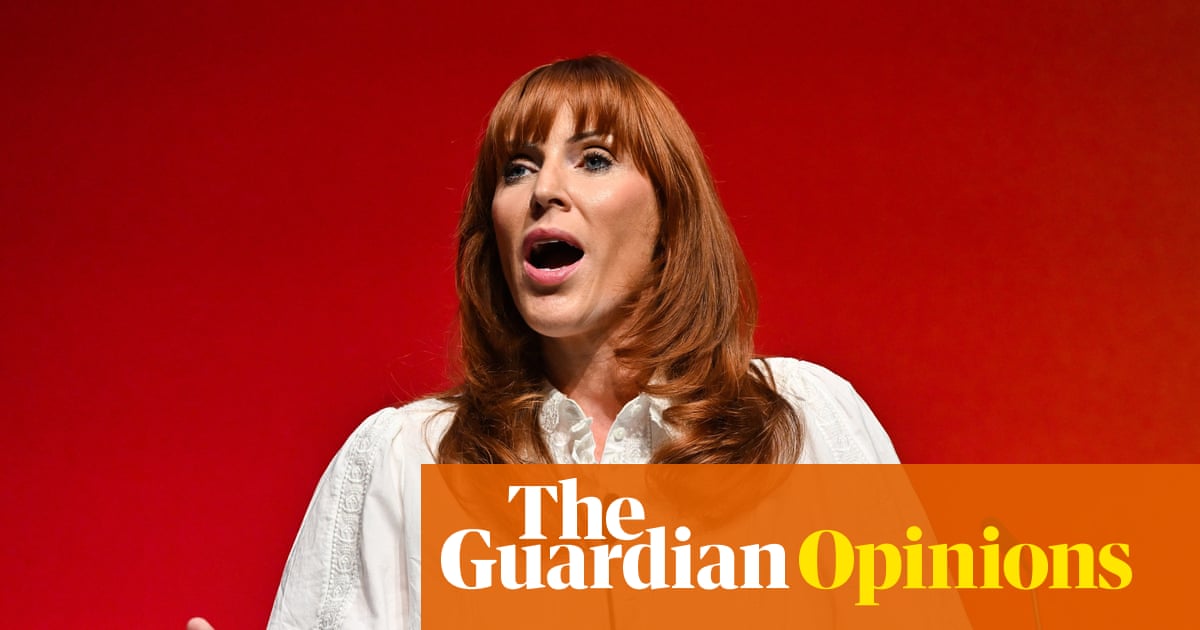
“To the millions of leaseholders across the country, you have my word. The days of you being squeezed for every penny are coming to an end,” Andy Burnham told the Labour party conference. Only a few hours earlier, his housing secretary, Angela Rayner, had announced that the government would legislate for a new independent regulator and launch a consultation to cap “rip off” administrative fees. While these are undoubtedly steps in the right direction, they are miles away from Labour’s manifesto promise to “finally bring the feudal leasehold system to an end”.
In its modern form, leasehold in England and Wales turns homes into income streams for freeholders. It should be abolished. There are powerful vested interests – billionaires, aristocrats and big businesses – that would oppose this move. But the system of service charges is crippling the housing market because its exorbitant cost puts off prospective buyers. The average annual service charge for a flat in England and Wales is now £2,405, up 32.6% since 2020 and 55.6% over a decade. Owners of flats in high-rise blocks in London are paying service charges of more than £7,000 a year. Little wonder that first-time buyers are increasingly bypassing flats.
The current system sees homeowners enter into long-term leases in which they must pay sums annually to freeholders. These can rise quickly to very high levels. The government proposes a £250 annual cap on ground rents for existing residential leases and limits on fees for requests such as keeping a pet. Ministers are consulting over whether residents could pay less to buy out freeholds. But there is no sign of action on annual service charges for maintenance costs determined by distant firms. Last year, 37% of flats across England and Wales had a service charge that exceeded 1% of their value – making them hard to mortgage and sell. Surely homeowners should not have to buy their freedom at an outrageous price while being charged for years by a management system they cannot realistically change?
The issue of leasehold has become a campaign flashpoint in the Holborn and St Pancras byelection. Six out of seven homes sold in the constituency last year were sold as leasehold. The Green leader, Zack Polanski, who is standing to be the MP, has made the issue a concrete test of Labour’s credibility. The Greens have paired leasehold abolition with rent controls and affordable housing as part of their claim to end “rip-off Britain”, accusing Labour of favouring developers. Labour denies this, but ministers know that housing is a political powder keg that has already exploded in Berlin and across Spain.
It is remarkable that while legislation banning new leasehold properties is expected before the next election, it is unlikely to come into force until after it. Ministers are said to be afraid of being taken to court by freeholders. But government has already won against them in the courts when defending Michael Gove’s housing bill. The question for the government is whether the proposed reforms give the owners of the existing 5m leasehold homes a credible route out of their dependency – or just regulate their continued subservience. Ministers must show how a leaseholder trapped today will in the future take back control – by obtaining the right to manage property, being able to buy the freehold or converting to commonhold. If ministers offer just another complaints mechanism, they will have broken their promise to end an injustice.
Read the full story at The Guardian ↗
The government pledged to end an unfair system. Ministers must give homeowners power over costs, rather than another place to complain. “To the millions of leaseholders across the…
This lens runs the verified story through Cinnamon's AI — wired in the next step.
“To the millions of leaseholders across the country, you have my word. The days of you being squeezed for every penny are coming to an end,” Andy Burnham told the Labour party conference. Only a few hours earlier, his housing secretary, Angela Rayner, had announced that the government would legislate for a new independent regulator and launch a consultation to cap “rip off” administrative fees. While these are undoubtedly steps in the right direction, they are miles away from Labour’s manifesto promise to “finally bring the feudal leasehold system to an end”.
In its modern form, leasehold in England and Wales turns homes into income streams for freeholders. It should be abolished. There are powerful vested interests – billionaires, aristocrats and big businesses – that would oppose this move. But the system of service charges is crippling the housing market because its exorbitant cost puts off prospective buyers. The average annual service charge for a flat in England and Wales is now £2,405, up 32.6% since 2020 and 55.6% over a decade. Owners of flats in high-rise blocks in London are paying service charges of more than £7,000 a year. Little wonder that first-time buyers are increasingly bypassing flats.
The current system sees homeowners enter into long-term leases in which they must pay sums annually to freeholders. These can rise quickly to very high levels. The government proposes a £250 annual cap on ground rents for existing residential leases and limits on fees for requests such as keeping a pet. Ministers are consulting over whether residents could pay less to buy out freeholds. But there is no sign of action on annual service charges for maintenance costs determined by distant firms. Last year, 37% of flats across England and Wales had a service charge that exceeded 1% of their value – making them hard to mortgage and sell. Surely homeowners should not have to buy their freedom at an outrageous price while being charged for years by a management system they cannot realistically change?
The issue of leasehold has become a campaign flashpoint in the Holborn and St Pancras byelection. Six out of seven homes sold in the constituency last year were sold as leasehold. The Green leader, Zack Polanski, who is standing to be the MP, has made the issue a concrete test of Labour’s credibility. The Greens have paired leasehold abolition with rent controls and affordable housing as part of their claim to end “rip-off Britain”, accusing Labour of favouring developers. Labour denies this, but ministers know that housing is a political powder keg that has already exploded in Berlin and across Spain.
It is remarkable that while legislation banning new leasehold properties is expected before the next election, it is unlikely to come into force until after it. Ministers are said to be afraid of being taken to court by freeholders. But government has already won against them in the courts when defending Michael Gove’s housing bill. The question for the government is whether the proposed reforms give the owners of the existing 5m leasehold homes a credible route out of their dependency – or just regulate their continued subservience. Ministers must show how a leaseholder trapped today will in the future take back control – by obtaining the right to manage property, being able to buy the freehold or converting to commonhold. If ministers offer just another complaints mechanism, they will have broken their promise to end an injustice.
Read the full story at The Guardian ↗
“To the millions of leaseholders across the country, you have my word. The days of you being squeezed for every penny are coming to an end,” Andy Burnham told the Labour party conference. Only a few hours earlier, his housing secretary, Angela Rayner, had announced that the government would legislate for a new independent regulator and launch a consultation to cap “rip off” administrative fees. While these are undoubtedly steps in the right direction, they are miles away from Labour’s manifesto promise to “finally bring the feudal leasehold system to an end”.
In its modern form, leasehold in England and Wales turns homes into income streams for freeholders. It should be abolished. There are powerful vested interests – billionaires, aristocrats and big businesses – that would oppose this move. But the system of service charges is crippling the housing market because its exorbitant cost puts off prospective buyers. The average annual service charge for a flat in England and Wales is now £2,405, up 32.6% since 2020 and 55.6% over a decade. Owners of flats in high-rise blocks in London are paying service charges of more than £7,000 a year. Little wonder that first-time buyers are increasingly bypassing flats.
The current system sees homeowners enter into long-term leases in which they must pay sums annually to freeholders. These can rise quickly to very high levels. The government proposes a £250 annual cap on ground rents for existing residential leases and limits on fees for requests such as keeping a pet. Ministers are consulting over whether residents could pay less to buy out freeholds. But there is no sign of action on annual service charges for maintenance costs determined by distant firms. Last year, 37% of flats across England and Wales had a service charge that exceeded 1% of their value – making them hard to mortgage and sell. Surely homeowners should not have to buy their freedom at an outrageous price while being charged for years by a management system they cannot realistically change?
The issue of leasehold has become a campaign flashpoint in the Holborn and St Pancras byelection. Six out of seven homes sold in the constituency last year were sold as leasehold. The Green leader, Zack Polanski, who is standing to be the MP, has made the issue a concrete test of Labour’s credibility. The Greens have paired leasehold abolition with rent controls and affordable housing as part of their claim to end “rip-off Britain”, accusing Labour of favouring developers. Labour denies this, but ministers know that housing is a political powder keg that has already exploded in Berlin and across Spain.
It is remarkable that while legislation banning new leasehold properties is expected before the next election, it is unlikely to come into force until after it. Ministers are said to be afraid of being taken to court by freeholders. But government has already won against them in the courts when defending Michael Gove’s housing bill. The question for the government is whether the proposed reforms give the owners of the existing 5m leasehold homes a credible route out of their dependency – or just regulate their continued subservience. Ministers must show how a leaseholder trapped today will in the future take back control – by obtaining the right to manage property, being able to buy the freehold or converting to commonhold. If ministers offer just another complaints mechanism, they will have broken their promise to end an injustice.
Read the full story at The Guardian ↗
This lens runs the verified story through Cinnamon's AI — wired in the next step.
- The government pledged to end an unfair system.
- Ministers must give homeowners power over costs, rather than another place to complain.
- “To the millions of leaseholders across the…