Three lions die of suspected heatstroke at Tokyo zoo as Japan swelters
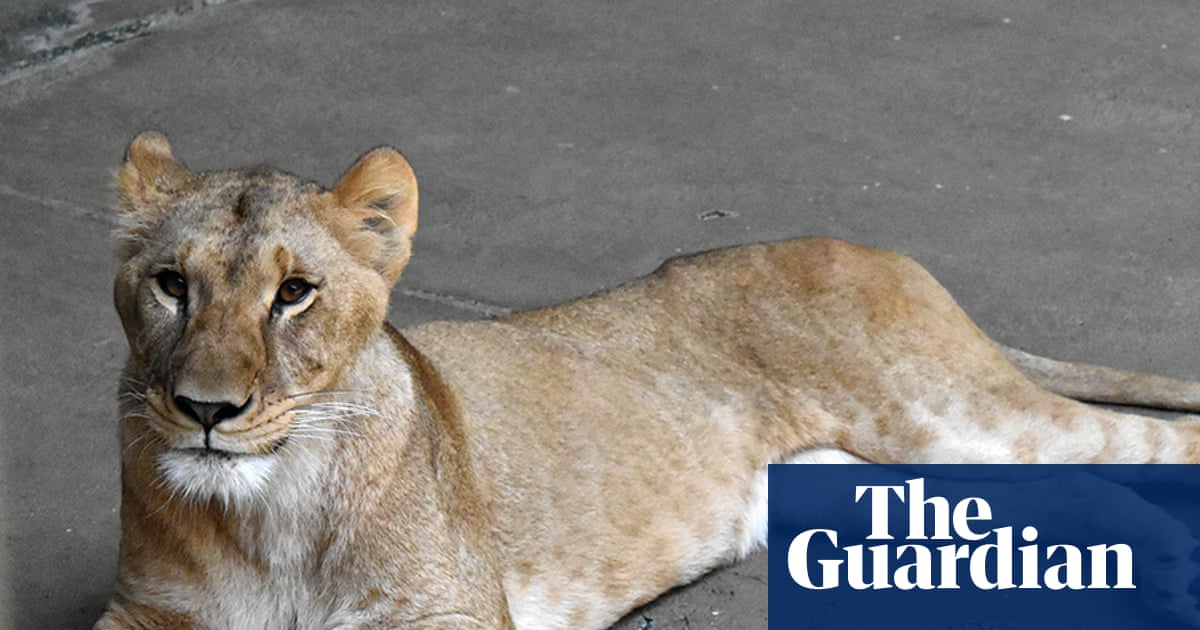 ✓
✓Three lions from a Tokyo zoo have died from suspected heatstroke and others are undergoing treatment, a spokesperson said on Tuesday, as the big cats struggle in Japan’s high levels of humidity.
Japan sweltered through its hottest summer on record last year and parts of the country have hit 40C in recent weeks, qualifying for the new “cruelly hot day” designation.
Since mid-July, 10 of the 16 lions in Tama zoological park have suffered from “loss of appetite and decreased activity”, and three lionesses had died, the zoo said in a statement. One lioness died on Tuesday, another Friday, and the third on Sunday, it said.
The cause of the deaths is suspected to be heatstroke, as dehydration and multiple organ failure were observed by a veterinarian, the zoo said.
“Even though lions are thought to be resistant to heat, zoo keepers have been strengthening countermeasures to cope with Japan’s summer heat in recent years. Heat here comes with high humidity; that is different from heat with dry air in Africa,” a zoo spokesperson said.
“But this summer, heat arrived suddenly after the rainy season was over” in late July, they added.
“We are strengthening measures against the heat, sprinkling water, improving ventilation and installing spot air conditioners.”
The zoo said several lions are still being treated.
About 18,600 people in Japan were taken to hospital for heatstroke between 20 and 26 July, with 45 of them pronounced dead on arrival, according to the fire and disaster management agency.
Authorities have adjusted the timings of a string of cultural and sporting events in recent years because of the heat, including the World Cosplay Summit in Nagoya, which held its last summer edition last weekend.
Japan experiences about 1,300 heat-related deaths annually and is aiming to halve that number by 2030. The country’s highest recorded temperature was registered in August last year: 41.8C in Isesaki, north of Tokyo.
Scientists say human-induced climate change is increasing the frequency and intensity of extreme heat events in Japan and elsewhere. South Korea is currently engulfed by a heatwave, with the rising summer temperatures linked to at least 16 deaths.
Read the full story at Al Jazeera ↗ · The Guardian ↗
Three lionesses at Tama Zoo in Tokyo have died from suspected heatstroke. Since mid-July, 10 of the zoo's 16 lions have experienced loss of appetite and reduced activity. A veterinarian identified dehydration and multiple organ failure in the deceased animals. Japan has experienced exceptional summer heat—last year was its hottest on record, with recent weeks bringing temperatures of 40°C. The combination of high heat and humidity differs markedly from the dry African conditions to which lions are naturally adapted. Zoo staff have intensified cooling measures including water spraying, ventilation improvements and spot air conditioning. Concurrently, Japan recorded approximately 18,600 heatstroke hospitalisations and 45 deaths in late July. The country experiences roughly 1,300 heat-related deaths annually and aims to halve this by 2030. Scientists link the increasing frequency and severity of extreme heat events in Japan to human-induced climate change.
Read the full story at Al Jazeera ↗ · The Guardian ↗
Three lions from a Tokyo zoo have died from suspected heatstroke and others are undergoing treatment, a spokesperson said on Tuesday, as the big cats struggle in Japan’s high levels of humidity.
Japan sweltered through its hottest summer on record last year and parts of the country have hit 40C in recent weeks, qualifying for the new “cruelly hot day” designation.
Since mid-July, 10 of the 16 lions in Tama zoological park have suffered from “loss of appetite and decreased activity”, and three lionesses had died, the zoo said in a statement. One lioness died on Tuesday, another Friday, and the third on Sunday, it said.
The cause of the deaths is suspected to be heatstroke, as dehydration and multiple organ failure were observed by a veterinarian, the zoo said.
“Even though lions are thought to be resistant to heat, zoo keepers have been strengthening countermeasures to cope with Japan’s summer heat in recent years. Heat here comes with high humidity; that is different from heat with dry air in Africa,” a zoo spokesperson said.
“But this summer, heat arrived suddenly after the rainy season was over” in late July, they added.
“We are strengthening measures against the heat, sprinkling water, improving ventilation and installing spot air conditioners.”
The zoo said several lions are still being treated.
About 18,600 people in Japan were taken to hospital for heatstroke between 20 and 26 July, with 45 of them pronounced dead on arrival, according to the fire and disaster management agency.
Authorities have adjusted the timings of a string of cultural and sporting events in recent years because of the heat, including the World Cosplay Summit in Nagoya, which held its last summer edition last weekend.
Japan experiences about 1,300 heat-related deaths annually and is aiming to halve that number by 2030. The country’s highest recorded temperature was registered in August last year: 41.8C in Isesaki, north of Tokyo.
Scientists say human-induced climate change is increasing the frequency and intensity of extreme heat events in Japan and elsewhere. South Korea is currently engulfed by a heatwave, with the rising summer temperatures linked to at least 16 deaths.
Read the full story at Al Jazeera ↗ · The Guardian ↗
Three lionesses at Tama Zoo in Tokyo died from suspected heatstroke Since mid-July, 10 of 16 lions showed loss of appetite and decreased activity Dehydration and multiple organ failure were observed in the deceased lions Japan experienced its hottest summer on record last year Recent weeks in Japan have seen temperatures reach 40°C Lions are thought to be heat-resistant but struggle with high-humidity heat unlike the dry heat of African climates About 18,600 people were hospitalised for heatstroke in Japan between 20-26 July, with 45 deaths on arrival Japan experiences approximately 1,300 heat-related deaths annually Human-induced climate change is increasing the frequency and intensity of extreme heat events in Japan
Read the full story at Al Jazeera ↗ · The Guardian ↗
- Three lions at Tokyo's Tama zoo have died from suspected heatstroke; 10 of 16 lions have shown illness symptoms since mid-July
- Japan recorded its hottest summer on record last year, with recent temperatures reaching 40°C and high humidity conditions unusual for lions adapted to African climates
- About 18,600 people were hospitalised for heatstroke in Japan in late July with 45 deaths; the country experiences roughly 1,300 heat-related deaths annually
- Scientists attribute increasing frequency and intensity of extreme heat events in Japan to human-induced climate change