Trump’s consumer protection head has earned grudging respect – but does he have the authority to do his job?
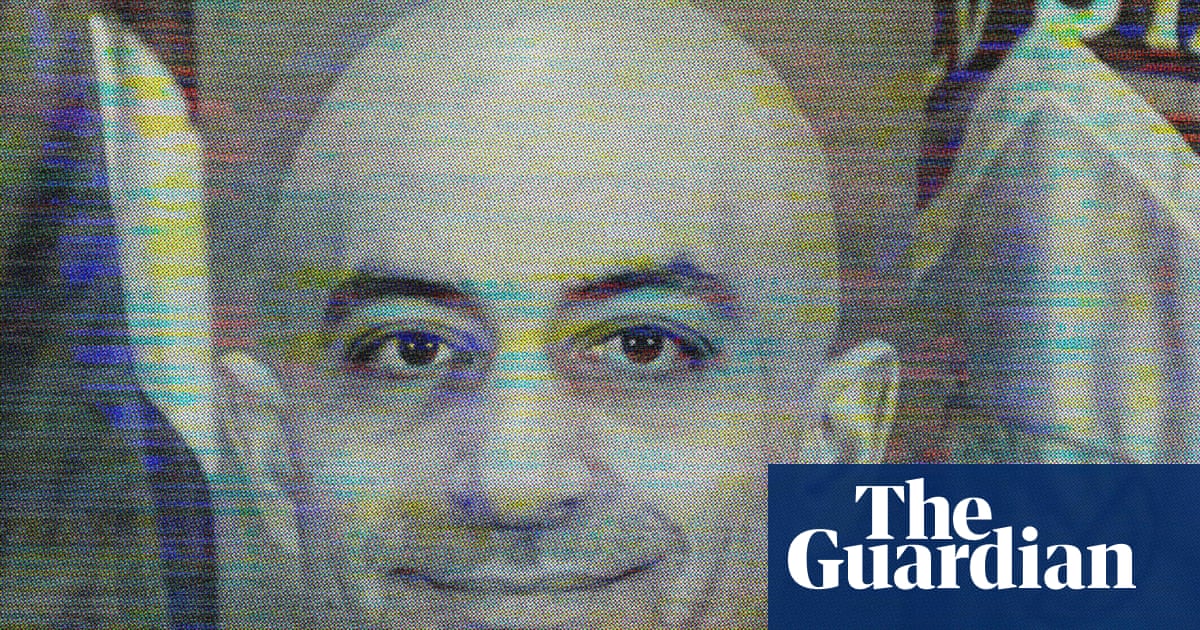
As the director of the Federal Trade Commission’s consumer protection bureau, Chris Mufarrige is the top enforcer protecting Americans against predatory companies.
He’s got an uphill climb, consumer advocates say.
The Trump administration’s push to defund and dismantle the Consumer Finance Protection Bureau, carve-outs for Trump-friendly companies, pardons of white-collar criminals and the firing of FTC commissioners raise doubts about how effective his agency can be. And recent data about Donald Trump’s stock trading and crypto windfalls undermine the anti-corruption push.
Mufarrige told the Guardian that doubters should look at his agency’s record, and expect more tough consumer-friendly moves this summer.
Since taking the job in early 2025, he has pledged to expand oversight of finance companies and settled with Amazon, StubHub, Instacart, Shutterstock and others on deceptive subscriptions and pricing. An April FTC report spotlights the role Meta’s Facebook, WhatsApp and Instagram play in scams that cost consumers $2.5bn in 2025. This week, the FTC joined five states to force Deere & Co to allow farmers to repair tractors and other equipment, a push started by the Biden administration.
“The Facebooks of the world, they have a responsibility here to deal with … clearcut fraud on their platforms,” he said.
Woodrow Wilson signed the Federal Trade Commission Act into law in 1914, creating an agency with dual anti-trust and consumer-protection mandates to tackle “unfair methods of competition in or affecting commerce and unfair or deceptive acts or practices in or affecting commerce”.
The FTC’s five-member commission is down to just two Republican members, after Trump fired two Democrats in 2025, a move the supreme court backed. The agency has cut 287 employees overall since the end of 2024, according to government data.
The following transcript has been edited for clarity and brevity, from interviews conducted before Trump’s latest financial disclosures.
This administration has been criticized for siding with business over consumers, and the president and his family for business deals that benefit from his position. Does that impact how effective you can be at your job?
It has not impacted my job one bit. I would put our last 15 to 16 months, our record, up against anybody’s. We’ve been extremely active with cases against LA Fitness, Live Nation, Ticketmaster, Uber, Amazon.
How does your approach contrast with your predecessors in the Biden administration?
My predecessors viewed their role as … replacing consumer choice. They oftentimes either didn’t like the product or the service that the consumer was purchasing or didn’t like the way the industry worked, in terms of products and services being offered. I don’t think that that’s our role. Our role is to reinforce markets and ensure that consumers have meaningful choice.
Would you say companies have too much power right now in the United States?
I think that’s why it’s critical the FTC has both a competition and consumer protection authority. Competition is the first line of defense in consumer protection, insofar as competition … restricts the ability of companies from getting too powerful, whether it is business-to-business or business-to-the-consumer.
We want to make sure that in those instances where business has too much market power, competition law restricts that and … preserves some sort of equilibrium.
Do you think that the current laws are doing a good job protecting consumers?
I think so. The area where Congress is active is privacy, obviously. And I think there’s a lot of debate about what a national privacy statute should look like.
Section five allows us some flexibility in terms of targeting problematic conduct.
Can you explain how section five of 1914’s Federal Trade Commission Act works?
Very simply, section five is a statute that tells companies, broadly speaking, to treat consumers fairly.
Now, what that means is, obviously, the million-dollar question.
The way I think about section five, and I think case law bears it out, is that we are talking about business conduct that undermines consumer choice and consumer sovereignty.
If a consumer fully understands a product, understands its terms, understands its implications … but you and I don’t like the terms, maybe it’s a high interest rate, maybe it’s an expensive product – that’s not a consumer-protection problem.
A recent FTC report shows Meta companies led the proliferation of online scams that cost Americans $2.5bn in 2025. What happens next?
I can’t speak to non-public information, but online scams are a critical focus for us. We’re seeing a significant amount of impersonation of other businesses online. Particularly when it comes to search engines.
The tech companies, the Facebooks of the world, they have a responsibility here to deal with that type of clearcut fraud on their platforms. We’re actively thinking about ways to prevent that type of fraud from happening.
Their argument around misinformation and other ‘free speech’ issues has always been ‘we’re merely the platform’.
When it comes to advertising, which is what we’re talking about here, the question for the social media companies and the search engines becomes: what is their role in the advertising that you’re seeing?
This is not just simply a situation where you and I are on Facebook and you’re telling me that I’m ugly. This is a situation where a car dealership is putting an advertisement on the platform, and the platform’s interacting with the dealer. So it’s a different dynamic that we’re talking about. And the consumer is suffering some sort of measurable harm.
What’s next for privacy and data-protection regulation?
We have an intense focus on kids in particular. We’re actively focused on some of the major platforms where kids are participating online, kids and teenagers. I can’t speak to non-public information, but that’s really our investigative focus right now. We’re also focused on age verification.
We’re looking at in particular how AI is interacting with kids and teenagers. The plan is hopefully early next year to have something to go public with.
What kind of support do you have from the White House for this approach?
A lot. Obviously, the chairman is on the fraud taskforce [which Trump created in April], which I think speaks volumes.
How should we expect you and the FTC to interact with the fraud taskforce?
You know, we’re kind of doing our own thing like we always do. The fraud taskforce is more a DoJ thing. We might send things their way or vice versa.
How should US consumers view your office and bring you their problems?
I want consumers to see us, as the chairman describes us frequently, as a cop on the beat.
We’re here if there are law violations. We want to hear about them and we will investigate and we will take action real quick. Use reportfraud.FTC.gov.
Read the full story at The Guardian ↗
Chris Mufarridge leads the FTC's consumer protection bureau, tasked with enforcing rules against deceptive business practices. Since taking the role in early 2025, his office has settled cases against major companies including Amazon and Instacart over pricing and subscription practices. An April FTC report documented that Meta's platforms—Facebook, WhatsApp, and Instagram—were used in scams costing consumers $2.5 billion in 2025. The FTC also secured an agreement with Deere & Co to allow farmers to repair equipment. However, structural challenges complicate the bureau's work: the FTC's five-member commission has been reduced to two Republican members following the firing of two Democratic commissioners, and the agency has cut 287 employees since late 2024. The Trump administration has also proposed defunding the Consumer Finance Protection Bureau. When asked about potential conflicts given the president's financial interests, Mufarridge stated the administration has provided support and pointed to the agency's enforcement record. He framed the FTC's role as ensuring consumer choice through competition and fair dealing, distinguishing this from what he characterizes as his predecessors' approach of substituting regulatory judgment for consumer preference. The FTC's upcoming focus areas include privacy regulation, child safety online, and age verification.
Read the full story at The Guardian ↗
As the director of the Federal Trade Commission’s consumer protection bureau, Chris Mufarrige is the top enforcer protecting Americans against predatory companies.
He’s got an uphill climb, consumer advocates say.
The Trump administration’s push to defund and dismantle the Consumer Finance Protection Bureau, carve-outs for Trump-friendly companies, pardons of white-collar criminals and the firing of FTC commissioners raise doubts about how effective his agency can be. And recent data about Donald Trump’s stock trading and crypto windfalls undermine the anti-corruption push.
Mufarrige told the Guardian that doubters should look at his agency’s record, and expect more tough consumer-friendly moves this summer.
Since taking the job in early 2025, he has pledged to expand oversight of finance companies and settled with Amazon, StubHub, Instacart, Shutterstock and others on deceptive subscriptions and pricing. An April FTC report spotlights the role Meta’s Facebook, WhatsApp and Instagram play in scams that cost consumers $2.5bn in 2025. This week, the FTC joined five states to force Deere & Co to allow farmers to repair tractors and other equipment, a push started by the Biden administration.
“The Facebooks of the world, they have a responsibility here to deal with … clearcut fraud on their platforms,” he said.
Woodrow Wilson signed the Federal Trade Commission Act into law in 1914, creating an agency with dual anti-trust and consumer-protection mandates to tackle “unfair methods of competition in or affecting commerce and unfair or deceptive acts or practices in or affecting commerce”.
The FTC’s five-member commission is down to just two Republican members, after Trump fired two Democrats in 2025, a move the supreme court backed. The agency has cut 287 employees overall since the end of 2024, according to government data.
The following transcript has been edited for clarity and brevity, from interviews conducted before Trump’s latest financial disclosures.
This administration has been criticized for siding with business over consumers, and the president and his family for business deals that benefit from his position. Does that impact how effective you can be at your job?
It has not impacted my job one bit. I would put our last 15 to 16 months, our record, up against anybody’s. We’ve been extremely active with cases against LA Fitness, Live Nation, Ticketmaster, Uber, Amazon.
How does your approach contrast with your predecessors in the Biden administration?
My predecessors viewed their role as … replacing consumer choice. They oftentimes either didn’t like the product or the service that the consumer was purchasing or didn’t like the way the industry worked, in terms of products and services being offered. I don’t think that that’s our role. Our role is to reinforce markets and ensure that consumers have meaningful choice.
Would you say companies have too much power right now in the United States?
I think that’s why it’s critical the FTC has both a competition and consumer protection authority. Competition is the first line of defense in consumer protection, insofar as competition … restricts the ability of companies from getting too powerful, whether it is business-to-business or business-to-the-consumer.
We want to make sure that in those instances where business has too much market power, competition law restricts that and … preserves some sort of equilibrium.
Do you think that the current laws are doing a good job protecting consumers?
I think so. The area where Congress is active is privacy, obviously. And I think there’s a lot of debate about what a national privacy statute should look like.
Section five allows us some flexibility in terms of targeting problematic conduct.
Can you explain how section five of 1914’s Federal Trade Commission Act works?
Very simply, section five is a statute that tells companies, broadly speaking, to treat consumers fairly.
Now, what that means is, obviously, the million-dollar question.
The way I think about section five, and I think case law bears it out, is that we are talking about business conduct that undermines consumer choice and consumer sovereignty.
If a consumer fully understands a product, understands its terms, understands its implications … but you and I don’t like the terms, maybe it’s a high interest rate, maybe it’s an expensive product – that’s not a consumer-protection problem.
A recent FTC report shows Meta companies led the proliferation of online scams that cost Americans $2.5bn in 2025. What happens next?
I can’t speak to non-public information, but online scams are a critical focus for us. We’re seeing a significant amount of impersonation of other businesses online. Particularly when it comes to search engines.
The tech companies, the Facebooks of the world, they have a responsibility here to deal with that type of clearcut fraud on their platforms. We’re actively thinking about ways to prevent that type of fraud from happening.
Their argument around misinformation and other ‘free speech’ issues has always been ‘we’re merely the platform’.
When it comes to advertising, which is what we’re talking about here, the question for the social media companies and the search engines becomes: what is their role in the advertising that you’re seeing?
This is not just simply a situation where you and I are on Facebook and you’re telling me that I’m ugly. This is a situation where a car dealership is putting an advertisement on the platform, and the platform’s interacting with the dealer. So it’s a different dynamic that we’re talking about. And the consumer is suffering some sort of measurable harm.
What’s next for privacy and data-protection regulation?
We have an intense focus on kids in particular. We’re actively focused on some of the major platforms where kids are participating online, kids and teenagers. I can’t speak to non-public information, but that’s really our investigative focus right now. We’re also focused on age verification.
We’re looking at in particular how AI is interacting with kids and teenagers. The plan is hopefully early next year to have something to go public with.
What kind of support do you have from the White House for this approach?
A lot. Obviously, the chairman is on the fraud taskforce [which Trump created in April], which I think speaks volumes.
How should we expect you and the FTC to interact with the fraud taskforce?
You know, we’re kind of doing our own thing like we always do. The fraud taskforce is more a DoJ thing. We might send things their way or vice versa.
How should US consumers view your office and bring you their problems?
I want consumers to see us, as the chairman describes us frequently, as a cop on the beat.
We’re here if there are law violations. We want to hear about them and we will investigate and we will take action real quick. Use reportfraud.FTC.gov.
Read the full story at The Guardian ↗
Chris Mufarridge is the director of the Federal Trade Commission's consumer protection bureau Since taking the job in early 2025, the FTC settled with Amazon, StubHub, Instacart, Shutterstock and others on deceptive subscriptions and pricing An April FTC report documented that Meta's Facebook, WhatsApp and Instagram were involved in scams costing consumers $2.5 billion in 2025 The FTC joined five states to force Deere & Co to allow farmers to repair tractors and equipment Consumer advocates say Mufarridge has an uphill climb The Trump administration's push to defund and dismantle the Consumer Finance Protection Bureau raises doubts about agency effectiveness The FTC's five-member commission is down to two Republican members after Trump fired two Democrats in 2025; the Supreme Court backed the move The agency has cut 287 employees overall since the end of 2024 Recent data about Donald Trump's stock trading and crypto windfalls undermine the anti-corruption push Mufarridge stated that criticism about siding with business over consumers has not impacted his job and cited the agency's enforcement record Mufarridge characterized his role as reinforcing markets and ensuring consumers have meaningful choice, distinguishing it from predecessors who he said viewed their role as replacing consumer choice Mufarridge stated the FTC plans to focus on child safety online, age verification, and how AI interacts with kids and teenagers, with something to go public early next year
Read the full story at The Guardian ↗
- Chris Mufarridge, director of the FTC's consumer protection bureau, has settled cases against Amazon, Instacart, Shutterstock and others on deceptive practices since early 2025
- The FTC's five-member commission is now down to two Republican members after Trump fired two Democrats; the agency has cut 287 employees since end of 2024
- A recent FTC report found Meta platforms facilitated online scams costing Americans $2.5 billion in 2025; the FTC is also focusing on child safety and AI regulation
- Questions persist about the agency's effectiveness given the administration's push to defund the CFPB, staff reductions, and Trump family business dealings that may benefit from his position
- Mufarridge argues his record speaks for itself and emphasizes the FTC's dual mandate for competition and consumer protection under Section 5 of the 1914 FTC Act