US launches strikes on Iran for a second day after Trump says agreement to end the war is ‘over’
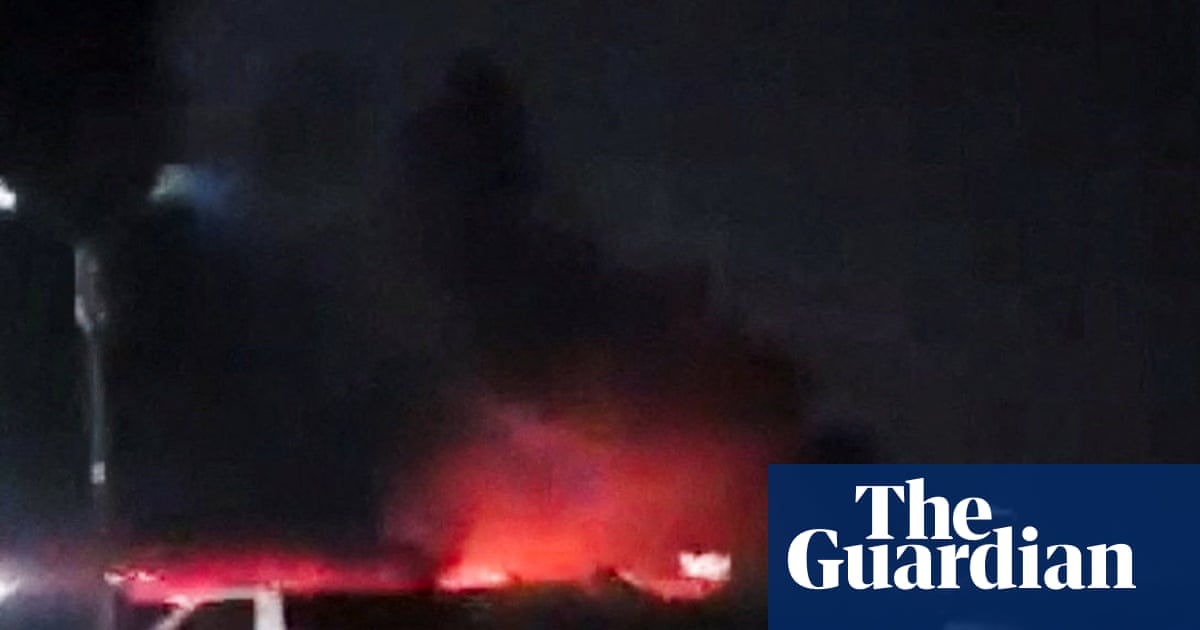 ✓
✓The US military carried out strikes on Iran for a second day, hours after president Donald Trump said that an interim agreement to end the war was “over”.
Late on Wednesday Iranian state media reported explosions in the port city of Bandar Abbas in the strait of Hormuz; in Sirik, another southern coastal city; and the south-western Bushehr province, home to Iran’s nuclear-power-plant complex.
Trump wrote on Truth Social: “This is in retribution for yesterday’s bombing of ships by Iran. If it happens again, it will get much worse!”
US Central Command confirmed the strikes, posting on X: “At the direction of the Commander in Chief, US Central Command forces have started conducting additional strikes against Iran to further degrade their ability to threaten freedom of navigation in the Strait of Hormuz.
On Tuesday three cargo ships transiting the strait of Hormuz were attacked, leading to the most extensive exchange of fire between the two sides since the interim deal was signed last month. The US Treasury also revoked a temporary sanctions waiver for Tehran to export oil.
The latest escalation dented hopes of turning the memorandum of understanding signed between the two sides on 17 June into a permanent deal to end the war. Iran said earlier on Wednesday it had attacked US military sites in Bahrain and Kuwait in response to the earlier US strikes on infrastructure.
Wednesday night’s strikes were expected to be bigger than those carried in the first round, an unnamed US official told Reuters.
Iranian state TV reported that further explosions were heard on Abu Musa Island. The island is one of three small islands claimed by the United Arab Emirates which provide the backbone of Iran’s control of the strait of Hormuz.
Iran’s Mehr news agency reported that the attacks on Bushehr province in southern Iran did not cause damage to the Bushehr nuclear power plant.
US stock markets fell on Wednesday and Brent crude, the global oil benchmark, jumped more than 5% to close to $80 a barrel, with the economic impacts of the war continuing to reverberate around the world.
The US senator Bernie Sanders said of Trump’s action: “Restarting his reckless war with Iran won’t make America stronger. It will cost more lives and waste more taxpayer dollars.” In a post on X, Sanders added that “after getting the United States into a war based on lies, Trump has now declared the ceasefire with Iran ‘over’ after less than a month”.
In the first round of strikes the US hit a variety of military sites and port facilities after Iran’s targeting of several merchant vessels off the coast of Oman.
Earlier at the Nato summit in Ankara, Trump said that the US would “probably hit [Iran] hard again tonight”, and later added the latest strikes would not result in “long-term” military action.
“Anything that happens is going to happen very fast,” Trump said, though he also suggested the US military might “just finish the job”.
Speaking on the sidelines of the summit, the US president said the strikes were continued retaliation for Iranian attacks on commercial ships in the strait of Hormuz.
“They are behaving very badly,” he said, accusing the country of launching drones and a missile at ships.
Iran has asserted that the interim ceasefire deal gives it the right to manage traffic through the strait.
Its parliament speaker, Mohammad Bagher Ghalibaf, a key negotiator in talks over a permanent end to the war, wrote on X: “The era of bullying and extortion is over. It leads nowhere. We don’t fold.”
On his return trip from the Nato summit, Trump denied that security concerns involving Iran were behind the surprise decision to fly part of the journey on an older Air Force One, and not the new Qatari-gifted jet he arrived in.
Asked if he was aware of any credible threats against Air Force One by Iran, Trump brushed off the question.
“I have a threat all the time. I’m number one on their list,” he said.
The fresh round of strikes came as Iranians were preparing to bury supreme leader Ayatollah Ali Khamenei in his home town of Mashhad in northeast Iran, who was killed on the first day of the US-Israeli strikes that started the war.
The supreme leader’s burial follows a multi-day funeral ceremony that attracted millions of mourners across various cities in both Iran and Iraq.
Read the full story at Al Jazeera ↗ · The Guardian ↗ · The Hill ↗
The US military carried out strikes on Iran for a second consecutive day following President Trump's statement that an interim war agreement signed on 17 June was 'over'. The strikes targeted port facilities and military infrastructure in southern Iranian coastal cities and provinces, according to Iranian state media reports. This escalation followed Tuesday's attacks by Iran on three cargo ships transiting the Strait of Hormuz. Trump stated the strikes were retaliatory and warned of further action if attacks continued. US Central Command confirmed the operation was aimed at degrading Iran's ability to threaten shipping in the strait. Iran responded by attacking US military sites in Bahrain and Kuwait. The escalation raised concerns about the viability of converting the interim memorandum into a permanent peace agreement. Global oil prices jumped more than 5% and US stock markets declined. Iranian officials rejected characterisations of the strikes as bullying, while US political figures criticised the resumption of military action.
Read the full story at Al Jazeera ↗ · The Guardian ↗ · The Hill ↗
The US military carried out strikes on Iran for a second day, hours after president Donald Trump said that an interim agreement to end the war was “over”.
Late on Wednesday Iranian state media reported explosions in the port city of Bandar Abbas in the strait of Hormuz; in Sirik, another southern coastal city; and the south-western Bushehr province, home to Iran’s nuclear-power-plant complex.
Trump wrote on Truth Social: “This is in retribution for yesterday’s bombing of ships by Iran. If it happens again, it will get much worse!”
US Central Command confirmed the strikes, posting on X: “At the direction of the Commander in Chief, US Central Command forces have started conducting additional strikes against Iran to further degrade their ability to threaten freedom of navigation in the Strait of Hormuz.
On Tuesday three cargo ships transiting the strait of Hormuz were attacked, leading to the most extensive exchange of fire between the two sides since the interim deal was signed last month. The US Treasury also revoked a temporary sanctions waiver for Tehran to export oil.
The latest escalation dented hopes of turning the memorandum of understanding signed between the two sides on 17 June into a permanent deal to end the war. Iran said earlier on Wednesday it had attacked US military sites in Bahrain and Kuwait in response to the earlier US strikes on infrastructure.
Wednesday night’s strikes were expected to be bigger than those carried in the first round, an unnamed US official told Reuters.
Iranian state TV reported that further explosions were heard on Abu Musa Island. The island is one of three small islands claimed by the United Arab Emirates which provide the backbone of Iran’s control of the strait of Hormuz.
Iran’s Mehr news agency reported that the attacks on Bushehr province in southern Iran did not cause damage to the Bushehr nuclear power plant.
US stock markets fell on Wednesday and Brent crude, the global oil benchmark, jumped more than 5% to close to $80 a barrel, with the economic impacts of the war continuing to reverberate around the world.
The US senator Bernie Sanders said of Trump’s action: “Restarting his reckless war with Iran won’t make America stronger. It will cost more lives and waste more taxpayer dollars.” In a post on X, Sanders added that “after getting the United States into a war based on lies, Trump has now declared the ceasefire with Iran ‘over’ after less than a month”.
In the first round of strikes the US hit a variety of military sites and port facilities after Iran’s targeting of several merchant vessels off the coast of Oman.
Earlier at the Nato summit in Ankara, Trump said that the US would “probably hit [Iran] hard again tonight”, and later added the latest strikes would not result in “long-term” military action.
“Anything that happens is going to happen very fast,” Trump said, though he also suggested the US military might “just finish the job”.
Speaking on the sidelines of the summit, the US president said the strikes were continued retaliation for Iranian attacks on commercial ships in the strait of Hormuz.
“They are behaving very badly,” he said, accusing the country of launching drones and a missile at ships.
Iran has asserted that the interim ceasefire deal gives it the right to manage traffic through the strait.
Its parliament speaker, Mohammad Bagher Ghalibaf, a key negotiator in talks over a permanent end to the war, wrote on X: “The era of bullying and extortion is over. It leads nowhere. We don’t fold.”
On his return trip from the Nato summit, Trump denied that security concerns involving Iran were behind the surprise decision to fly part of the journey on an older Air Force One, and not the new Qatari-gifted jet he arrived in.
Asked if he was aware of any credible threats against Air Force One by Iran, Trump brushed off the question.
“I have a threat all the time. I’m number one on their list,” he said.
The fresh round of strikes came as Iranians were preparing to bury supreme leader Ayatollah Ali Khamenei in his home town of Mashhad in northeast Iran, who was killed on the first day of the US-Israeli strikes that started the war.
The supreme leader’s burial follows a multi-day funeral ceremony that attracted millions of mourners across various cities in both Iran and Iraq.
Read the full story at Al Jazeera ↗ · The Guardian ↗ · The Hill ↗
The US military carried out strikes on Iran for a second day Strikes targeted port facilities and military sites in Bandar Abbas, Sirik, and Bushehr province in southern Iran Iranian state media reported explosions on Wednesday; no damage was reported to the Bushehr nuclear power plant On Tuesday, three cargo ships transiting the Strait of Hormuz were attacked An interim ceasefire agreement was signed between the US and Iran on 17 June Trump said the strikes were 'in retribution for yesterday's bombing of ships by Iran' Trump said if attacks happen again, 'it will get much worse' US Central Command confirmed strikes were 'to further degrade their ability to threaten freedom of navigation in the Strait of Hormuz' The US Treasury revoked a temporary sanctions waiver for Tehran to export oil Iran attacked US military sites in Bahrain and Kuwait in response to the earlier US strikes An unnamed US official told Reuters the second round of strikes was expected to be bigger than the first Brent crude jumped more than 5% to close to $80 a barrel and US stock markets fell This escalation threatens to derail the interim deal into a permanent agreement Trump said strikes would not result in 'long-term' military action and suggested they might 'just finish the job' Iran asserts the interim ceasefire gives it the right to manage traffic through the strait Senator Bernie Sanders said Trump's action was 'reckless' and would 'cost more lives and waste more taxpayer dollars'
Read the full story at Al Jazeera ↗ · The Guardian ↗ · The Hill ↗
- The US military conducted a second day of strikes on Iran after President Trump declared an interim ceasefire agreement 'over'
- Strikes targeted port facilities and military sites in southern Iran following Iranian attacks on cargo ships in the Strait of Hormuz on Tuesday
- Oil prices rose 5% and stock markets fell as the escalation threatened the month-old interim deal signed on 17 June
- Iran retaliated by attacking US military sites in Bahrain and Kuwait; both sides have accused each other of violating the agreement
How we verified this · 79% agreement
The thread
- The state of the NATO alliance amid Trump's second term
- Iran strikes drive oil price gains
- US says conducting new wave of strikes on Iran as ceasefire falters
- Oil prices jump over 5% after Trump suggests ceasefire with Iran has ended following fresh US strikes – as it happened
- The Hill is capitalizing on reader interest in the second Trump administration
- Bowen: For all his bluster, Trump has no better option than talks with Iran