Washington records world’s worst air quality for a city after 850,000 Fourth of July fireworks
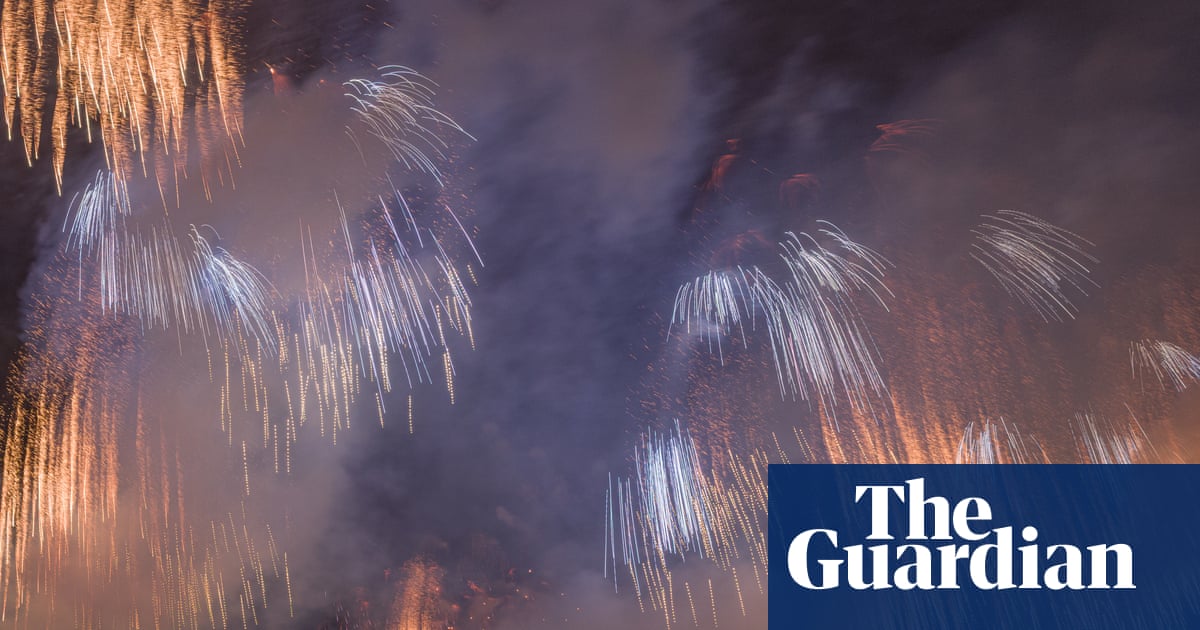
Washington DC residents breathed in “unhealthy” air for hours after a 40-minute Independence Day fireworks show over the National Mall on Saturday night, with the country’s capital briefly recording the worst air quality of any major city in the world.
The highly emitting display, which the president called “spectacular”, came as the Trump administration rolls back an unprecedented number of pollution controls.
Hourly concentrations of particulate matter rose to 6.7 times their pre-fireworks levels, according to a Tuesday analysis from the company Clarity Movement based on its network of 26 air quality sensors throughout the city in partnership with the local department of energy and environment. Every one of those sensors reached air quality levels which the Environmental Protection Agency deems “unhealthy for sensitive groups” during the event, the researchers found, with some recording even worse levels of emissions.
Levels of particulate matter peaked at 4am on Sunday, approximately five hours after the display concluded, according to the new analysis. It remained elevated for approximately five hours after reaching its peak, the authors found, with city officials issuing a Code Red alert.
“Outdoor air quality is unhealthy for seniors, kids, people with medical conditions,” the alert said. “General public may experience health issues. Limit time outside.”
The south-west region of DC experienced the highest pollution levels, the report’s authors found, probably because of its proximity to one of the fireworks launch sites in West Potomac park, as well as overnight meteorological conditions that trapped smoke over the area.
That highly polluted air probably drifted into Arlington, Virginia, said David Lu, CEO and co-founder of Clarity Movement.
“Unfortunately, we don’t have sensors there to confirm it,” he said. “That’s exactly why expanding real-time air quality monitoring matters. Without comprehensive coverage, communities can be exposed to significant pollution events that go undetected.”
The air quality across the city could have been even worse in the aftermath of the display if it were not for thunderstorms that struck the city on Sunday evening.
“Despite the scale of the fireworks display, the city’s air quality avoided a worst-case scenario thanks to favorable weather conditions and the timing of the event,” said Lu.
The Fourth of July fireworks show, organized by the Trump-backed non-profit Freedom 250, began at 11pm on Saturday evening. It involved more than 850,000 fireworks launched from 10 sites across the capital, the organizers said. (A typical Independence Day show in DC involves just 17,000 shells.)
Trump on social media called the show “the Most Spectacular Fireworks Show I have ever seen, and I’ve seen them all”.
The fanfare came as the region was baking under an extreme heatwave, which brought triple-digit temperatures to the city hours earlier. For a time after the fireworks show, the city recorded the worst air quality of any major city in the world, according to AirNow, the Environmental Protection Agency website that reports air quality measurements from its monitoring stations.
Asked to comment, a White House spokesperson, Taylor Rogers, said: “It was the largest and greatest firework display in the history of our country to properly celebrate America’s 250th birthday! Every year, fireworks on the Fourth of July cause short-term spikes in air quality across the United States, including Washington, DC. This was not unique to the 250th fireworks celebrations in our nation’s capital.”
The Guardian has contacted Freedom 250 for comment.
Americans shoot nearly 300m lb of fireworks into the atmosphere every year, according to the American Lung Association, letting off lung-harming gases such as sulfur dioxide, carbon dioxide and carbon monoxide.
The Trump administration has, since re-entering office, engaged in a wide-ranging assault on pollution controls, exempting polluting facilities from emissions regulations, boosting coal power, and halting the consideration of the value of lives saved when restricting fine particulate matter and ozone. On 4 July, the president also pardoned nine individuals convicted of violations related to the Clean Air Act, including people found to have tampered with emissions control equipment in cars or selling parts to bypass air pollution standards.
Read the full story at The Guardian ↗
Washington DC experienced elevated air pollution following its Independence Day fireworks display on July 4. The 40-minute show, which included over 850,000 fireworks from 10 sites, caused particulate matter concentrations to rise to 6.7 times pre-event levels according to analysis by Clarity Movement, which operates 26 sensors across the city. All sensors recorded air quality levels the EPA classifies as unhealthy for sensitive groups. Peak pollution occurred around 4am on July 5, approximately five hours after the display ended, and remained elevated for roughly five hours afterward. The southwestern region experienced the highest concentrations, likely due to proximity to West Potomac Park launch sites and atmospheric conditions that trapped smoke. City officials issued a Code Red alert. For a brief period, Washington recorded the worst air quality among major cities globally. Thunderstorms on Sunday evening helped disperse remaining pollution. A White House spokesperson noted that Fourth of July fireworks typically cause short-term air quality spikes nationwide.
Read the full story at The Guardian ↗
Washington DC residents breathed in “unhealthy” air for hours after a 40-minute Independence Day fireworks show over the National Mall on Saturday night, with the country’s capital briefly recording the worst air quality of any major city in the world.
The highly emitting display, which the president called “spectacular”, came as the Trump administration rolls back an unprecedented number of pollution controls.
Hourly concentrations of particulate matter rose to 6.7 times their pre-fireworks levels, according to a Tuesday analysis from the company Clarity Movement based on its network of 26 air quality sensors throughout the city in partnership with the local department of energy and environment. Every one of those sensors reached air quality levels which the Environmental Protection Agency deems “unhealthy for sensitive groups” during the event, the researchers found, with some recording even worse levels of emissions.
Levels of particulate matter peaked at 4am on Sunday, approximately five hours after the display concluded, according to the new analysis. It remained elevated for approximately five hours after reaching its peak, the authors found, with city officials issuing a Code Red alert.
“Outdoor air quality is unhealthy for seniors, kids, people with medical conditions,” the alert said. “General public may experience health issues. Limit time outside.”
The south-west region of DC experienced the highest pollution levels, the report’s authors found, probably because of its proximity to one of the fireworks launch sites in West Potomac park, as well as overnight meteorological conditions that trapped smoke over the area.
That highly polluted air probably drifted into Arlington, Virginia, said David Lu, CEO and co-founder of Clarity Movement.
“Unfortunately, we don’t have sensors there to confirm it,” he said. “That’s exactly why expanding real-time air quality monitoring matters. Without comprehensive coverage, communities can be exposed to significant pollution events that go undetected.”
The air quality across the city could have been even worse in the aftermath of the display if it were not for thunderstorms that struck the city on Sunday evening.
“Despite the scale of the fireworks display, the city’s air quality avoided a worst-case scenario thanks to favorable weather conditions and the timing of the event,” said Lu.
The Fourth of July fireworks show, organized by the Trump-backed non-profit Freedom 250, began at 11pm on Saturday evening. It involved more than 850,000 fireworks launched from 10 sites across the capital, the organizers said. (A typical Independence Day show in DC involves just 17,000 shells.)
Trump on social media called the show “the Most Spectacular Fireworks Show I have ever seen, and I’ve seen them all”.
The fanfare came as the region was baking under an extreme heatwave, which brought triple-digit temperatures to the city hours earlier. For a time after the fireworks show, the city recorded the worst air quality of any major city in the world, according to AirNow, the Environmental Protection Agency website that reports air quality measurements from its monitoring stations.
Asked to comment, a White House spokesperson, Taylor Rogers, said: “It was the largest and greatest firework display in the history of our country to properly celebrate America’s 250th birthday! Every year, fireworks on the Fourth of July cause short-term spikes in air quality across the United States, including Washington, DC. This was not unique to the 250th fireworks celebrations in our nation’s capital.”
The Guardian has contacted Freedom 250 for comment.
Americans shoot nearly 300m lb of fireworks into the atmosphere every year, according to the American Lung Association, letting off lung-harming gases such as sulfur dioxide, carbon dioxide and carbon monoxide.
The Trump administration has, since re-entering office, engaged in a wide-ranging assault on pollution controls, exempting polluting facilities from emissions regulations, boosting coal power, and halting the consideration of the value of lives saved when restricting fine particulate matter and ozone. On 4 July, the president also pardoned nine individuals convicted of violations related to the Clean Air Act, including people found to have tampered with emissions control equipment in cars or selling parts to bypass air pollution standards.
Read the full story at The Guardian ↗
The Independence Day fireworks display lasted 40 minutes and involved over 850,000 fireworks launched from 10 sites across Washington DC Hourly particulate matter concentrations rose to 6.7 times pre-fireworks levels according to Clarity Movement's analysis of 26 air quality sensors All 26 sensors reached EPA-deemed 'unhealthy for sensitive groups' air quality levels during the event Peak particulate matter concentrations occurred approximately 5 hours after the display concluded, around 4am on Sunday Elevated pollution levels persisted for approximately 5 hours after reaching peak concentrations Washington DC briefly recorded the worst air quality of any major city in the world Southwestern DC experienced the highest pollution levels due to proximity to West Potomac Park launch sites and overnight meteorological conditions Thunderstorms on Sunday evening helped prevent worse-case air quality scenarios A typical Independence Day fireworks show in DC involves approximately 17,000 shells, compared to 850,000+ in this display Americans release nearly 300 million pounds of fireworks into the atmosphere annually, producing lung-harming gases including sulfur dioxide, carbon dioxide, and carbon monoxide The Trump administration has rolled back pollution controls since re-entering office, including exempting polluting facilities from emissions regulations and pardoning individuals convicted of Clean Air Act violations
Read the full story at The Guardian ↗
- Washington DC's 40-minute Independence Day fireworks display (850,000+ fireworks) caused particulate matter concentrations to spike 6.7 times pre-event levels on July 4-5
- The city briefly recorded the worst air quality of any major city globally; all 26 monitoring sensors detected EPA-deemed 'unhealthy for sensitive groups' levels, peaking ~5 hours after the show ended
- Pollution remained elevated for approximately 5 hours; southwestern DC experienced highest levels due to launch site proximity and weather conditions that trapped smoke; thunderstorms Sunday evening prevented worse outcomes