Weatherwatch: How UK firm’s low-cost tech can warn of volcanic eruptions
Weather forecasts now include air quality warnings and cities have networks of air quality sensors driving real-time maps online.
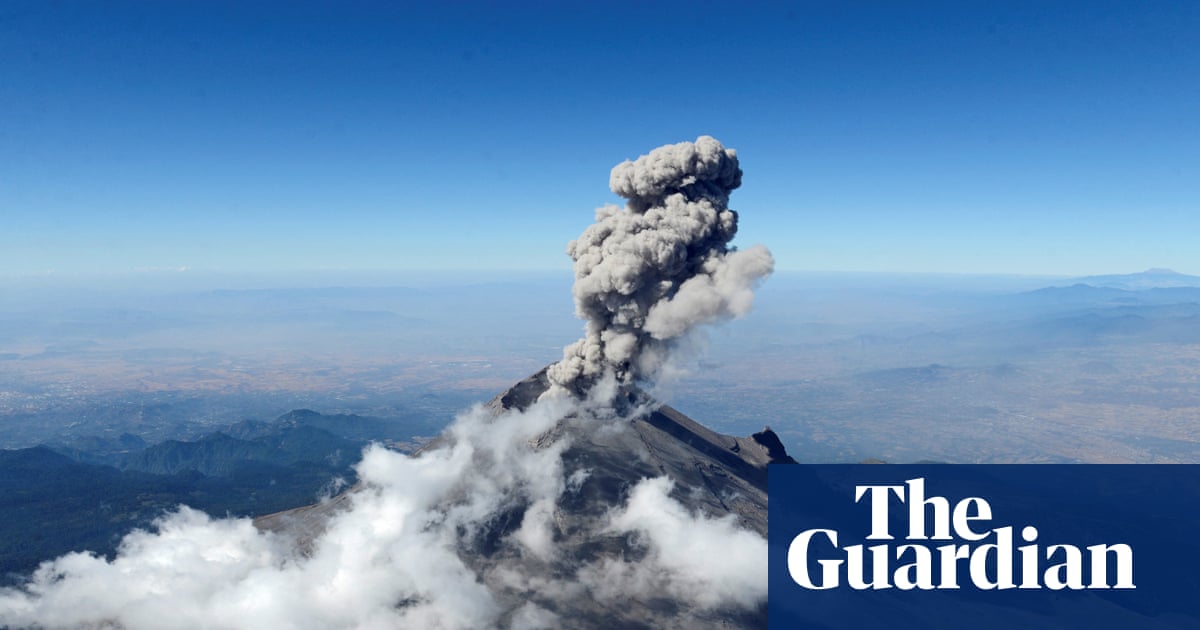
Similar air quality sensors can warn of an imminent volcanic eruption. Just as a fizzy drink releases carbon dioxide when the pressure is released, rising magma emits dissolved sulphur dioxide as it rises. So a big increase in this gas warns that a volcanic eruption may be imminent.
Unfortunately the communities that most need these sensors cannot always afford them. A low-cost alternative developed by VolcanoTech, a company spun out from the University of Sheffield, is changing that.
VolcanoTech’s Pi-cam uses a smartphone camera modified to see in ultraviolet wavelengths, with a simple Raspberry Pi processor to interpret the results. This is able to read the fluorescence from sulphur dioxide; the more UV, the higher the level of gas. A network of such sensors costs a fraction of the price of comparable systems. VolcanoTech systems are already installed in Ecuador, Chile, Mexico, and Indonesia, with planned sites in Costa Rica and Argentina.
Large, low-cost sensor networks driven by commercial technology could transform air quality monitoring. Instead of having scattered data points, future meteorologists and vulcanologists might see a comprehensive picture, helping them to understand changes in air pollution as well as the risk of a volcanic eruption.
Read the full story at The Guardian ↗
Rising magma releases dissolved sulphur dioxide as pressure decreases, similar to carbon dioxide escaping from carbonated drinks. This gas surge can signal an impending volcanic eruption. Air quality monitoring networks already track such emissions in many cities. VolcanoTech has created an affordable alternative to expensive commercial sensors by adapting smartphone cameras to detect ultraviolet wavelengths and pairing them with Raspberry Pi processors. The resulting system reads sulphur dioxide fluorescence cost-effectively. Networks of these sensors are operational across Ecuador, Chile, Mexico, and Indonesia, with additional installations planned in Costa Rica and Argentina. Comprehensive sensor networks could enable meteorologists and volcanologists to monitor air quality changes and volcanic risk more completely than current sparse monitoring systems allow.
Read the full story at The Guardian ↗
Weather forecasts now include air quality warnings and cities have networks of air quality sensors driving real-time maps online.
Similar air quality sensors can warn of an imminent volcanic eruption. Just as a fizzy drink releases carbon dioxide when the pressure is released, rising magma emits dissolved sulphur dioxide as it rises. So a big increase in this gas warns that a volcanic eruption may be imminent.
Unfortunately the communities that most need these sensors cannot always afford them. A low-cost alternative developed by VolcanoTech, a company spun out from the University of Sheffield, is changing that.
VolcanoTech’s Pi-cam uses a smartphone camera modified to see in ultraviolet wavelengths, with a simple Raspberry Pi processor to interpret the results. This is able to read the fluorescence from sulphur dioxide; the more UV, the higher the level of gas. A network of such sensors costs a fraction of the price of comparable systems. VolcanoTech systems are already installed in Ecuador, Chile, Mexico, and Indonesia, with planned sites in Costa Rica and Argentina.
Large, low-cost sensor networks driven by commercial technology could transform air quality monitoring. Instead of having scattered data points, future meteorologists and vulcanologists might see a comprehensive picture, helping them to understand changes in air pollution as well as the risk of a volcanic eruption.
Read the full story at The Guardian ↗
Rising magma emits dissolved sulphur dioxide as pressure releases Sulphur dioxide emissions can indicate imminent volcanic eruption risk VolcanoTech developed a low-cost sensor system using modified smartphone cameras and Raspberry Pi processors The system detects sulphur dioxide by reading UV fluorescence VolcanoTech sensors are installed in Ecuador, Chile, Mexico, and Indonesia Additional installations are planned in Costa Rica and Argentina Communities most needing volcanic monitoring cannot always afford expensive sensors Large, low-cost sensor networks could transform air quality and volcanic risk monitoring comprehensiveness
Read the full story at The Guardian ↗
- VolcanoTech, a UK spin-out from the University of Sheffield, has developed affordable volcanic eruption warning sensors using modified smartphone cameras and Raspberry Pi processors
- The sensors detect sulphur dioxide gas emissions from rising magma by reading UV fluorescence, indicating potential imminent eruptions
- Low-cost sensor networks are already deployed in Ecuador, Chile, Mexico, and Indonesia, with plans for Costa Rica and Argentina
- Dense sensor networks could provide comprehensive air quality and volcanic risk monitoring compared to scattered data points