What does China’s long-range missile test in the South Pacific mean for Australia? | David Vallance
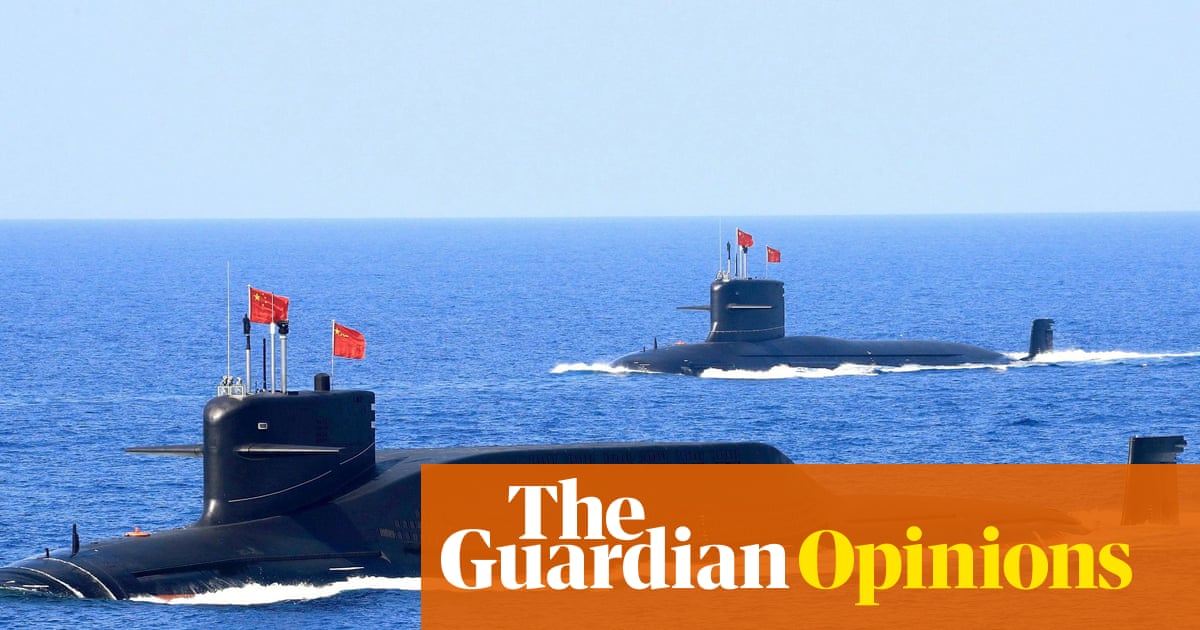
At 12.01pm on Monday, a People’s Liberation Army Navy submarine test fired a ballistic missile into the South Pacific nuclear-free zone. This is the second time China has conducted a ballistic missile test in the Pacific in two years.
Coming on the day Fiji became Australia’s fourth formal treaty ally, after the US, New Zealand and Papua New Guinea, this test’s timing is interesting. It reads as a provocation at best, outright coercion at worst.
It is not likely this was a spur-of-the-moment test. Even for a military whose sophistication has grown immensely over the past decades, and will continue to do so, these things take time. That said, it is possible the signing of the Ocean of Peace Alliance pact caused it to move the test up the timetable.
Washington, of course, looms large in Beijing’s thinking, and will be taking note. But what does it mean for Australia and its regional partners?
China has followed the letter of the law in informing regional countries, including Australia and New Zealand, that such a test was going to take place, but hardly its spirit. Transparency about weapons testing should try to build trust, or at least alleviate suspicion, but when information about a test comes only hours earlier this does neither. The Chinese foreign ministry might ask regional countries not to “overinterpret” this test but the lack of any meaningful notification renders this request hollow. How does demonstrating that a nuclear-armed missile can strike targets thousands of kilometres away illustrate Beijing’s commitment to “a path of peaceful development”?
To quote China’s ambassador to Australia: “Rumours cease when people are truly well-informed, and facts speak louder than words.”
So what are these facts?
First, the type of missile tested was reportedly one of China’s new JL-3 SLBMs (submarine-launched ballistic missiles). These can be armed with multiple warheads, each of which can carry a nuclear payload and strike different targets.
Second, this missile has a range of about 10,000km. This means it is possible it was fired from a nuclear-powered ballistic missile submarine operating in the South China Sea.
Third, China operates six of these submarines. Its expansive Bohai shipyards can probably build as many as six a year. And images from Shanghai indicate that a second shipyard has begun constructing nuclear-powered submarines.
Taken with a Chinese naval task group’s circumnavigation of Australia last year – which included live-fire exercises – and its harassment of Australian patrol aircraft, helicopters and naval personnel, this all points towards China’s increasing willingness to use military force to coerce states across the Indo-Pacific to adopt policies preferable to Beijing. The People’s Republic would like Australia to stop conducting legal passage operations in international waters so it can shore up its claims in the South China Sea, therefore it harasses the personnel conducting those operations.
Since Mao Zedong’s time, China has tasked the PLA with carrying out weishe – roughly translating as coercion. In the Xi Jinping era, weishe has become more expansive, aimed at preserving Beijing’s “period of strategic opportunities” and actively shaping the region. This test is the latest evidence that China will resort to more overt shows of force as part of this strategy.
Whether or not this test was timed to coincide with the Ocean of Peace Alliance, it is an action hardly in line with principles of “mutual respect, equal treatment, mutual benefit and win-win outcomes, openness and inclusiveness”.
Pacific nations, including Australia, have voiced their commitment to the Pacific as an ocean of peace. One wonders if China prefers pieces of shrapnel in the ocean.
Read the full story at The Guardian ↗ · The Guardian ↗
China's People's Liberation Army Navy conducted a ballistic missile test in the South Pacific on Monday, firing a JL-3 submarine-launched ballistic missile with a reported range of 10,000km. The missile can carry multiple independently-targetable nuclear warheads. China notified regional countries including Australia and New Zealand hours before the test, satisfying formal notification requirements. This is China's second ballistic missile test in the Pacific in two years. The test coincided with Fiji's signing of a treaty alliance with Australia. China currently operates six ballistic missile submarines and has capacity to significantly increase production. China has previously conducted military exercises near Australia, including a naval task group circumnavigation and harassment of Australian patrol aircraft and personnel in international waters.
Read the full story at The Guardian ↗ · The Guardian ↗
At 12.01pm on Monday, a People’s Liberation Army Navy submarine test fired a ballistic missile into the South Pacific nuclear-free zone. This is the second time China has conducted a ballistic missile test in the Pacific in two years.
Coming on the day Fiji became Australia’s fourth formal treaty ally, after the US, New Zealand and Papua New Guinea, this test’s timing is interesting. It reads as a provocation at best, outright coercion at worst.
It is not likely this was a spur-of-the-moment test. Even for a military whose sophistication has grown immensely over the past decades, and will continue to do so, these things take time. That said, it is possible the signing of the Ocean of Peace Alliance pact caused it to move the test up the timetable.
Washington, of course, looms large in Beijing’s thinking, and will be taking note. But what does it mean for Australia and its regional partners?
China has followed the letter of the law in informing regional countries, including Australia and New Zealand, that such a test was going to take place, but hardly its spirit. Transparency about weapons testing should try to build trust, or at least alleviate suspicion, but when information about a test comes only hours earlier this does neither. The Chinese foreign ministry might ask regional countries not to “overinterpret” this test but the lack of any meaningful notification renders this request hollow. How does demonstrating that a nuclear-armed missile can strike targets thousands of kilometres away illustrate Beijing’s commitment to “a path of peaceful development”?
To quote China’s ambassador to Australia: “Rumours cease when people are truly well-informed, and facts speak louder than words.”
So what are these facts?
First, the type of missile tested was reportedly one of China’s new JL-3 SLBMs (submarine-launched ballistic missiles). These can be armed with multiple warheads, each of which can carry a nuclear payload and strike different targets.
Second, this missile has a range of about 10,000km. This means it is possible it was fired from a nuclear-powered ballistic missile submarine operating in the South China Sea.
Third, China operates six of these submarines. Its expansive Bohai shipyards can probably build as many as six a year. And images from Shanghai indicate that a second shipyard has begun constructing nuclear-powered submarines.
Taken with a Chinese naval task group’s circumnavigation of Australia last year – which included live-fire exercises – and its harassment of Australian patrol aircraft, helicopters and naval personnel, this all points towards China’s increasing willingness to use military force to coerce states across the Indo-Pacific to adopt policies preferable to Beijing. The People’s Republic would like Australia to stop conducting legal passage operations in international waters so it can shore up its claims in the South China Sea, therefore it harasses the personnel conducting those operations.
Since Mao Zedong’s time, China has tasked the PLA with carrying out weishe – roughly translating as coercion. In the Xi Jinping era, weishe has become more expansive, aimed at preserving Beijing’s “period of strategic opportunities” and actively shaping the region. This test is the latest evidence that China will resort to more overt shows of force as part of this strategy.
Whether or not this test was timed to coincide with the Ocean of Peace Alliance, it is an action hardly in line with principles of “mutual respect, equal treatment, mutual benefit and win-win outcomes, openness and inclusiveness”.
Pacific nations, including Australia, have voiced their commitment to the Pacific as an ocean of peace. One wonders if China prefers pieces of shrapnel in the ocean.
Read the full story at The Guardian ↗ · The Guardian ↗
A People's Liberation Army Navy submarine test-fired a ballistic missile into the South Pacific nuclear-free zone on Monday This is the second time China has conducted a ballistic missile test in the Pacific in two years The test occurred on the day Fiji became Australia's fourth formal treaty ally China informed regional countries including Australia and New Zealand only hours before the test The missile tested was reportedly a JL-3 SLBM with a range of about 10,000km The JL-3 can be armed with multiple warheads, each carrying a nuclear payload China operates six ballistic missile submarines Chinese shipyards can probably build as many as six submarines a year, with a second shipyard now constructing nuclear-powered submarines A Chinese naval task group circumnavigated Australia last year and conducted live-fire exercises China has harassed Australian patrol aircraft, helicopters and naval personnel The test's timing alongside the Ocean of Peace Alliance pact suggests provocation or coercion China's late notification demonstrates lack of commitment to building trust through transparency This test exemplifies China's increasing willingness to use military force to coerce states in the Indo-Pacific China conducts these actions to pressure Australia to cease legal passage operations in the South China Sea
Read the full story at The Guardian ↗ · The Guardian ↗
- China conducted a submarine-launched ballistic missile test in the South Pacific, the second such test in two years
- The JL-3 missile tested has a range of approximately 10,000km and can carry multiple nuclear warheads
- China provided regional notification only hours before the test, meeting legal requirements but not building transparency or trust
- The test occurred the same day Fiji signed a treaty alliance with Australia, raising questions about timing and intent
- China operates six ballistic missile submarines with capacity to expand production significantly