What will define Elon Musk’s legacy? Doge cuts to USAID Ebola programs
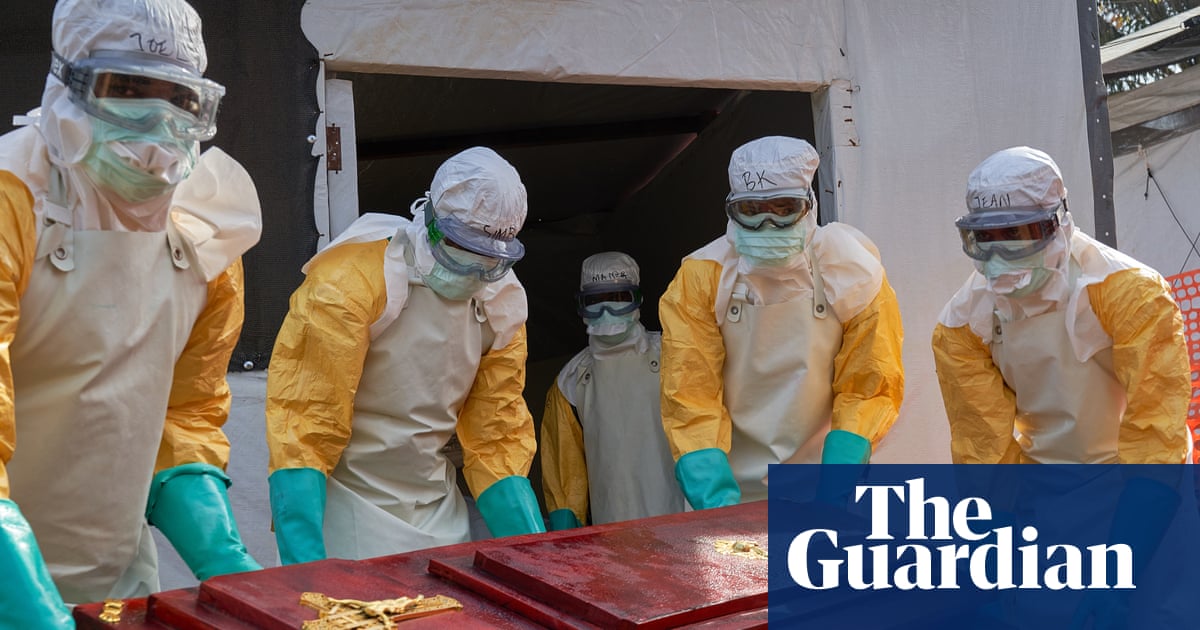
Elon Musk has an Ebola problem. SpaceX stock dropped precipitously after its initial public offering, and Tesla faces a wave of lawsuits. But instead of focusing on his companies, Musk has posted frequently on X about the US Agency for International Development (USAID), which he helped dismantle – or, in his words, feed into the woodchipper – last year.
“Elon’s USAID crash-out over the past week has been a thing to behold,” said Jeremy Konyndyk, a former top USAID official who oversaw the agency’s Ebola response in 2014-2015 and the president of Refugees International. “In a way, it’s helpful that Elon is doing this, because it’s putting attention back on the issue of what he did last year.”
Musk has said his critics “cannot cite a single name of someone who died” and “If there were, it would be worldwide headline news!” When confronted with the names – including those of children who died because of the cuts – Musk called a journalist “an utter piece of shit and a liar” and “utterly evil”. Musk has claimed, without evidence, that US tax dollars went to arming militants and “corrupt politicians”.
Musk’s cuts, through the short-lived US “department of government efficiency” (Doge), have come under renewed scrutiny during the Ebola outbreak in the Democratic Republic of the Congo (DRC). Last year, Musk admitted to “accidentally” cutting Ebola detection and response programs.
“This is one of the reasons why there was not enough surveillance and preparedness for the outbreak of Ebola,” said Davide Rasella, a research professor at the Catalan Institution for Research and Advanced Studies and head of the Global Health Impact Assessment and Evaluation Group at the Barcelona Institute for Global Health (ISGlobal) in Spain.
If global health programs hadn’t been slashed in the DRC and elsewhere, the Ebola outbreak would have been detected much earlier, Konyndyk said. “I’m very confident about that,” he added.
The cuts have affected global health, nutrition and education around the world.
One Lancet study estimated there would be 14 million deaths, including 4.5 million child deaths, if USAID were abolished entirely. When Ro Khanna, a Democratic congressman from California, cited the study, Musk threatened to sue, and he doubled down on his claims that Doge did nothing wrong.
Rasella, one of the authors of the Lancet study, was unfamiliar with the Khanna-Musk conflict, but he stood by the estimates.
Musk “uses science for launching rockets”, Rasella said. “When we speak about public health and global health, we use the same statistical mathematical tools that we use to launch rockets into space.”
It’s difficult to pinpoint exactly how many people will die as a result of these cuts, said Rasella.
“But the important thing is the scale,” he said. There will probably be millions of deaths over the next several years, he added. “This is really unquestionable.”
Some of these losses are already occurring.
“People are absolutely dying. They’re dying in significant numbers in some places,” Konyndyk said.
Musk’s demolition of USAID, and the resulting suffering and death, “is going to be a defining part of his legacy, and I do wonder if that’s why he’s scrambling so hard to rewrite that history now”, Konyndyk said.
Musk took a model he used in his companies to “cut until people scream, and then when people scream, you’ve cut too far, and then you restore”, Konyndyk said. “That’s not how public funding works. Here the cost is literal human lives.”
If not for Musk, USAID would probably still exist, Konynydk said. Without him, and administrators like Pete Marocco, USAID would have taken “some huge hits”, but would have survived in some form, like other health and science agencies – “much diminished, much weaker, but still existing”, Konyndyk said.
“His personal investment in that project gave it the reach all the way up to the White House,” he added.
Congress could have stopped the dismantling of USAID – and it still could, Konyndyk said. USAID is required to exist by law, and what few aid programs still operate have been choked by the slow release of funding from the state department, he said.
After the Covid pandemic caused about 20 million deaths around the globe, it was “absurd” to cut programs that would prevent and prepare for the next pandemic, Rasella said.
“When you disrupt a single piece of that [aid], you can really create more and larger damage to the entire system,” Rasella said. “This is just the beginning.”
But that means there’s still time to act and avert some of the worst effects of ending foreign aid, Konyndyk said.
“We have a window here to try and bring some of this back before the worst of the harms set in,” he said.
Read the full story at The Guardian ↗
Elon Musk was instrumental in cutting USAID funding through a government efficiency initiative last year. Those cuts included Ebola detection and response capabilities. An Ebola outbreak in the Democratic Republic of Congo has refocused attention on whether these reductions affected pandemic preparedness. Musk has disputed that the cuts caused harm, while experts including former USAID officials say people are dying from reduced programs and that earlier Ebola detection would have been possible with intact systems. Research models estimate millions of deaths over years if USAID were fully eliminated. USAID exists under law, and Congress retains authority to restore funding.
Read the full story at The Guardian ↗
Elon Musk has an Ebola problem. SpaceX stock dropped precipitously after its initial public offering, and Tesla faces a wave of lawsuits. But instead of focusing on his companies, Musk has posted frequently on X about the US Agency for International Development (USAID), which he helped dismantle – or, in his words, feed into the woodchipper – last year.
“Elon’s USAID crash-out over the past week has been a thing to behold,” said Jeremy Konyndyk, a former top USAID official who oversaw the agency’s Ebola response in 2014-2015 and the president of Refugees International. “In a way, it’s helpful that Elon is doing this, because it’s putting attention back on the issue of what he did last year.”
Musk has said his critics “cannot cite a single name of someone who died” and “If there were, it would be worldwide headline news!” When confronted with the names – including those of children who died because of the cuts – Musk called a journalist “an utter piece of shit and a liar” and “utterly evil”. Musk has claimed, without evidence, that US tax dollars went to arming militants and “corrupt politicians”.
Musk’s cuts, through the short-lived US “department of government efficiency” (Doge), have come under renewed scrutiny during the Ebola outbreak in the Democratic Republic of the Congo (DRC). Last year, Musk admitted to “accidentally” cutting Ebola detection and response programs.
“This is one of the reasons why there was not enough surveillance and preparedness for the outbreak of Ebola,” said Davide Rasella, a research professor at the Catalan Institution for Research and Advanced Studies and head of the Global Health Impact Assessment and Evaluation Group at the Barcelona Institute for Global Health (ISGlobal) in Spain.
If global health programs hadn’t been slashed in the DRC and elsewhere, the Ebola outbreak would have been detected much earlier, Konyndyk said. “I’m very confident about that,” he added.
The cuts have affected global health, nutrition and education around the world.
One Lancet study estimated there would be 14 million deaths, including 4.5 million child deaths, if USAID were abolished entirely. When Ro Khanna, a Democratic congressman from California, cited the study, Musk threatened to sue, and he doubled down on his claims that Doge did nothing wrong.
Rasella, one of the authors of the Lancet study, was unfamiliar with the Khanna-Musk conflict, but he stood by the estimates.
Musk “uses science for launching rockets”, Rasella said. “When we speak about public health and global health, we use the same statistical mathematical tools that we use to launch rockets into space.”
It’s difficult to pinpoint exactly how many people will die as a result of these cuts, said Rasella.
“But the important thing is the scale,” he said. There will probably be millions of deaths over the next several years, he added. “This is really unquestionable.”
Some of these losses are already occurring.
“People are absolutely dying. They’re dying in significant numbers in some places,” Konyndyk said.
Musk’s demolition of USAID, and the resulting suffering and death, “is going to be a defining part of his legacy, and I do wonder if that’s why he’s scrambling so hard to rewrite that history now”, Konyndyk said.
Musk took a model he used in his companies to “cut until people scream, and then when people scream, you’ve cut too far, and then you restore”, Konyndyk said. “That’s not how public funding works. Here the cost is literal human lives.”
If not for Musk, USAID would probably still exist, Konynydk said. Without him, and administrators like Pete Marocco, USAID would have taken “some huge hits”, but would have survived in some form, like other health and science agencies – “much diminished, much weaker, but still existing”, Konyndyk said.
“His personal investment in that project gave it the reach all the way up to the White House,” he added.
Congress could have stopped the dismantling of USAID – and it still could, Konyndyk said. USAID is required to exist by law, and what few aid programs still operate have been choked by the slow release of funding from the state department, he said.
After the Covid pandemic caused about 20 million deaths around the globe, it was “absurd” to cut programs that would prevent and prepare for the next pandemic, Rasella said.
“When you disrupt a single piece of that [aid], you can really create more and larger damage to the entire system,” Rasella said. “This is just the beginning.”
But that means there’s still time to act and avert some of the worst effects of ending foreign aid, Konyndyk said.
“We have a window here to try and bring some of this back before the worst of the harms set in,” he said.
Read the full story at The Guardian ↗
Elon Musk helped dismantle USAID last year through the Department of Government Efficiency (DOGE) DOGE cuts included Ebola detection and response programs, which Musk later acknowledged were cut 'accidentally' An Ebola outbreak is occurring in the Democratic Republic of Congo Musk has claimed without evidence that US tax dollars went to arming militants and corrupt politicians When presented with names of people who died following the cuts, Musk called journalists liars and evil A Lancet study estimated 14 million deaths, including 4.5 million child deaths, if USAID were abolished entirely Experts including Jeremy Konyndyk (former USAID official) and Davide Rasella (researcher) state that Ebola would have been detected earlier with intact surveillance systems Early Ebola detection would have prevented the current outbreak's spread People are already dying from reduced aid programs in significant numbers Musk's dismantling of USAID will define his legacy Congress could have stopped or could still reverse USAID's dismantling USAID is required to exist by law
Read the full story at The Guardian ↗
- Elon Musk played a key role in dismantling USAID last year through the 'Department of Government Efficiency' (DOGE), including cuts to Ebola detection and response programs
- An Ebola outbreak in the Democratic Republic of Congo has renewed scrutiny of these cuts; experts argue early detection would have been possible with intact surveillance systems
- Musk has disputed criticism without providing evidence, calling critics liars when confronted with names of deaths; a Lancet study estimates 14 million deaths globally if USAID were fully abolished
- Global health experts say people are already dying from reduced programs, with impacts across health, nutrition and education worldwide
- USAID is required by law to exist; Congress could still restore funding, and experts say there remains a window to reverse some effects before maximum harm occurs
How we verified this · single source · not yet corroborated
The thread
- Doubt that Elon Musk ‘earned’ his trillion? Rightwing media says you’re in an ‘impotent envy cult’ | Arwa Mahdawi
- Democratic Texas AG candidate claims $110m in grants for Elon Musk’s Starlink ‘sure looks’ like corruption
- ‘You can’t make billions without hurting people’: Cory Doctorow on Elon Musk, the AI bubble and bosses’ cruel fantasies