Why this heatwave feels worse than the last one
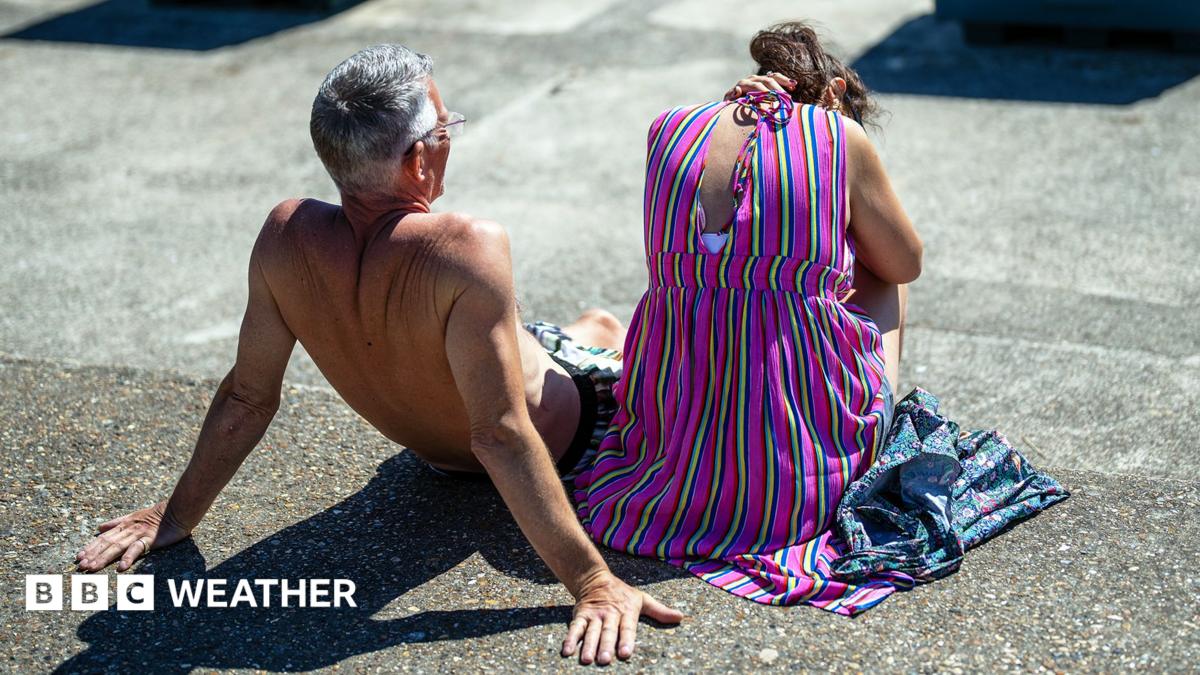
Overnight temperatures will remain high this week and some locations will not get cooler than 20C. These are called "tropical nights".
It is likely we will see the warmest June night on record on Thursday night as minimum temperatures across Wales, the Midlands and the South East are not expected to fall below 21 to 23C.
Some places could be warmer than the current UK and England record of 22.7C set in 1976, and the Wales record of 20.3C - set just this week.
"Feels like" temperatures may be even more noteworthy during the overnight period, when it may feel like 27C even at the coolest part of the night.
This is a major distinction to previous heatwaves in the UK.
During the hot spell of July 2022, for example, much of England and Wales experienced tropical nights - though few places had more than two consecutively.
In this heatwave, some locations may see three or four tropical nights in a row which becomes far more impactful.
This means the body will not be able to cool down in between daytime spikes in heat.
Though this is particularly dangerous for vulnerable people, it can put healthy individuals at risk too, leading to poor sleep, cardiovascular stress and a greater risk for heat exhaustion in subsequent days.
As the planet continues to warm, heatwaves like this will only become more common.
"Unless we drastically cut down the emission of greenhouse gases, global warming is not going to stop. In fact, it will accelerate," Deoras said.
"A warmer atmosphere holds more moisture, so the combination of increased temperatures and humidity is what is likely to make humid heatwaves like this become more frequent and more intense."
Read the full story at BBC ↗
This week's heatwave is notable for sustained high overnight temperatures. Across Wales, the Midlands, and South East, minimum temperatures are expected to remain between 21–23°C, with some locations potentially breaking the current UK record of 22.7°C set in 1976. The distinctive feature of this event is consecutive tropical nights—three to four in a row in some areas—which prevent the body from cooling during night hours. In contrast, the 2022 heatwave saw most locations experience only one or two consecutive tropical nights. When the body cannot recover overnight from heat exposure, it increases risks including poor sleep, cardiovascular stress, and heat exhaustion, with vulnerable people facing greater danger. Without substantial reductions in greenhouse gas emissions, warming atmospheric conditions will continue to create conditions favourable for more frequent and intense humid heatwaves.
Read the full story at BBC ↗
Overnight temperatures will remain high this week and some locations will not get cooler than 20C. These are called "tropical nights".
It is likely we will see the warmest June night on record on Thursday night as minimum temperatures across Wales, the Midlands and the South East are not expected to fall below 21 to 23C.
Some places could be warmer than the current UK and England record of 22.7C set in 1976, and the Wales record of 20.3C - set just this week.
"Feels like" temperatures may be even more noteworthy during the overnight period, when it may feel like 27C even at the coolest part of the night.
This is a major distinction to previous heatwaves in the UK.
During the hot spell of July 2022, for example, much of England and Wales experienced tropical nights - though few places had more than two consecutively.
In this heatwave, some locations may see three or four tropical nights in a row which becomes far more impactful.
This means the body will not be able to cool down in between daytime spikes in heat.
Though this is particularly dangerous for vulnerable people, it can put healthy individuals at risk too, leading to poor sleep, cardiovascular stress and a greater risk for heat exhaustion in subsequent days.
As the planet continues to warm, heatwaves like this will only become more common.
"Unless we drastically cut down the emission of greenhouse gases, global warming is not going to stop. In fact, it will accelerate," Deoras said.
"A warmer atmosphere holds more moisture, so the combination of increased temperatures and humidity is what is likely to make humid heatwaves like this become more frequent and more intense."
Read the full story at BBC ↗
Overnight temperatures will remain at or above 20°C this week in many UK locations, with minimum temperatures in Wales, the Midlands, and South East expected between 21–23°C Some locations may experience overnight temperatures warmer than the current UK record of 22.7°C set in 1976 and the Wales record of 20.3°C set this week Some areas may see three to four consecutive tropical nights, compared to one or two in the 2022 heatwave Consecutive tropical nights prevent the body from cooling between daytime heat peaks, increasing risks of poor sleep, cardiovascular stress, and heat exhaustion This pattern is particularly dangerous for vulnerable people, though healthy individuals face elevated risk too Without drastic reductions in greenhouse gas emissions, global warming will accelerate and such heatwaves will become more common Warmer atmospheric conditions hold more moisture, making humid heatwaves more frequent and intense in future
Read the full story at BBC ↗
- Overnight temperatures are staying unusually high this week, with many UK locations not cooling below 20–23°C at night
- Some places may experience three to four consecutive tropical nights, preventing the body from cooling between daytime heat peaks
- Consecutive tropical nights pose health risks including sleep disruption and cardiovascular stress, particularly for vulnerable people
- This heatwave pattern differs from 2022, when most areas had only one or two tropical nights consecutively
- Warmer atmospheric conditions are expected to make humid heatwaves more frequent and intense without significant emissions reductions