Andy Burnham apologises for Labour’s stance on Gaza and says it ‘didn’t get it right’
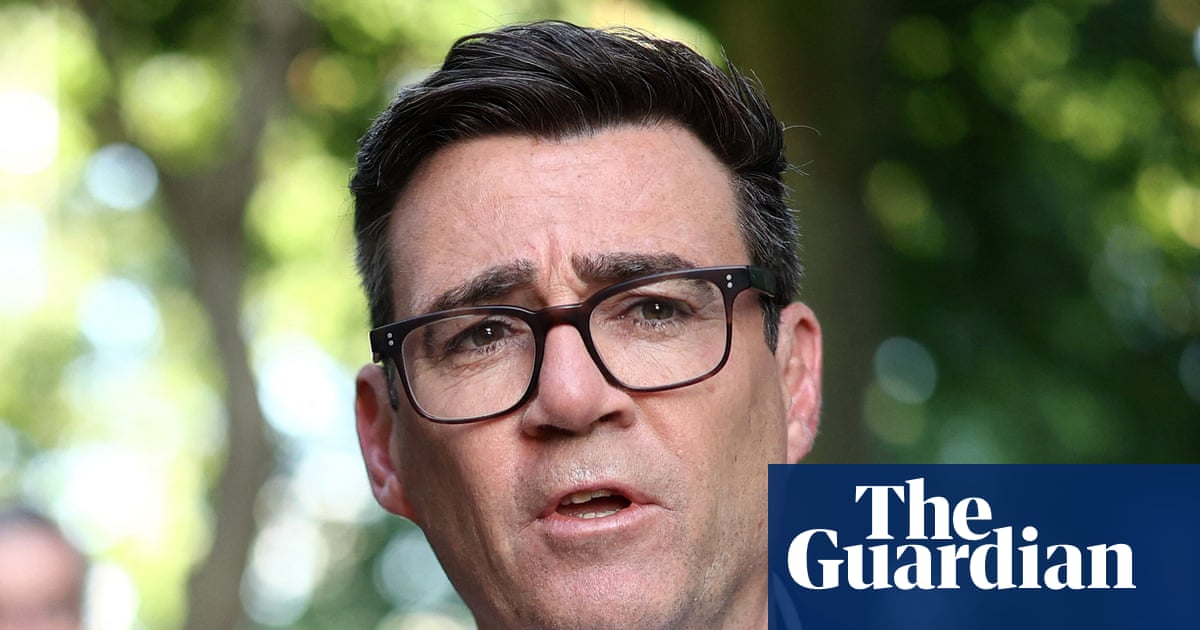 ✓
✓Andy Burnham has apologised for Labour’s initial response to Israel’s military action in Gaza, saying the party “didn’t get it right” and needs to “do better” under his leadership as he signalled a significant shift in the UK’s approach to the Middle East.
The prime minister-in-waiting told the Guardian he would put more pressure on the Israeli government, including through further sanctions on individuals and entities, as well as potentially by banning trade in goods with illegal settlements.
Burnham’s intervention starts to address concerns among voters on Labour’s progressive flank, many of whom have abandoned the party over its position on Israel and Palestine.
“I know many people feel that at the start of Israel’s military action in Gaza my party didn’t get it right and I am sorry about that. The response has too often not been good enough. We need to do better,” he said.
“We’ve got to do more to put pressure on the Israeli government … Yes, we have taken some important steps … But let’s be honest, the UK was too slow to call for a ceasefire. And we must now do more to strengthen our approach.”
However, he stopped short of describing what was happening on the ground in Gaza as a genocide – a central demand of some on the left – saying that while there was “increasing evidence” of war crimes, it was for the international courts to make that ruling.
“I have been absolutely appalled by what I’ve seen and read about the destruction of Gaza. There’s increasing evidence that war crimes appear to have been committed,” he said. “There must be accountability for the depth of the suffering the people of Gaza have experienced. Ultimately, however, it must be for the international courts to determine, rather than politicians.”
His apology may irritate Keir Starmer, whose interview on LBC radio shortly after Hamas had launched its devastating attack on Israel in October 2023, and in which he said Israel “has the right” to withhold power and water from Gaza, upset many within the party.
The Labour leader then took almost 10 days to clarify his remarks, further angering many Muslim and progressive voters. In 2025, Starmer came under months of pressure, including from his own cabinet ministers, before finally recognising Palestine as a state.
Burnham acknowledged the UK government had taken some significant steps, including formal recognition, sanctions on Israeli ministers and violent settlers, and restrictions on arms licences so no British bombs or bullets could be used by the Israel Defense Forces in Palestine.
However, many Labour figures across the party believe Starmer struggled to get a hearing on Gaza after his early missteps and delays, and that as a result the UK government’s subsequent action failed to cut through.
Two-thirds of Labour voters who have subsequently switched to the Green party said the party’s position on Gaza was a factor, according to an Opinium poll for the Palestinian Solidarity Campaign in June.
Burnham sought to reassure Jewish communities that, despite his shift in position, he remained deeply concerned about the rise in antisemitism in the UK and “strongly condemned” Hamas’s 7 October attacks.
“There is no contradiction between a zero-tolerance approach to antisemitism and holding the Netanyahu government to account. I will always take a fair and balanced approach and stand up for what is right,” he said.
Burnham said the UK government had to do more to put pressure on the Israeli government, describing the suffering of the people of Gaza as a “scar on our collective conscience”, with innocent Palestinians continuing to be killed, far too little aid getting in and the Israeli military continuing to expand its areas of control.
He is likely to come under pressure from the left to ban all arms shipments to Israel, which still includes spare parts for F-35 fighter jets, as well as to take a different approach to banning Palestine Action after the court of appeal ruled in June that Shabana Mahmood’s decision to proscribe the direct action group was lawful.
Burnham also criticised the large increase in settler violence in the West Bank and East Jerusalem and the continued expansion of illegal settlements that are displacing Palestinian communities, adding that Netanyahu’s government was attempting to make a two-state solution impossible.
“That’s why we need to do more, which includes looking at further sanctions, both on those involved in the violence in Gaza but also looking at measures to ban trade in goods with illegal settlements,” he said.
Foreign Office ministers are understood to already be looking at ways of preventing goods and services from the settlements making it into the UK, without a knock-on effect for legitimate trade with Israel.
Read the full story at Al Jazeera ↗ · The Guardian ↗
Andy Burnham has stated that Labour's initial response to Israel's military action in Gaza was inadequate and apologised for the party's position. He indicated the UK government should increase pressure on Israel through expanded sanctions on individuals and entities, and through trade restrictions on goods from illegal settlements. Burnham acknowledged evidence of war crimes in Gaza and described the situation as a 'scar on our collective conscience', but said international courts rather than politicians should determine whether genocide occurred. He noted that some Labour voters cited Gaza as a reason for switching to the Green Party. Burnham also stated he would maintain a strong stance against antisemitism while holding the Israeli government to account, and criticised settler violence and settlement expansion in the West Bank and East Jerusalem.
Read the full story at Al Jazeera ↗ · The Guardian ↗
Andy Burnham has apologised for Labour’s initial response to Israel’s military action in Gaza, saying the party “didn’t get it right” and needs to “do better” under his leadership as he signalled a significant shift in the UK’s approach to the Middle East.
The prime minister-in-waiting told the Guardian he would put more pressure on the Israeli government, including through further sanctions on individuals and entities, as well as potentially by banning trade in goods with illegal settlements.
Burnham’s intervention starts to address concerns among voters on Labour’s progressive flank, many of whom have abandoned the party over its position on Israel and Palestine.
“I know many people feel that at the start of Israel’s military action in Gaza my party didn’t get it right and I am sorry about that. The response has too often not been good enough. We need to do better,” he said.
“We’ve got to do more to put pressure on the Israeli government … Yes, we have taken some important steps … But let’s be honest, the UK was too slow to call for a ceasefire. And we must now do more to strengthen our approach.”
However, he stopped short of describing what was happening on the ground in Gaza as a genocide – a central demand of some on the left – saying that while there was “increasing evidence” of war crimes, it was for the international courts to make that ruling.
“I have been absolutely appalled by what I’ve seen and read about the destruction of Gaza. There’s increasing evidence that war crimes appear to have been committed,” he said. “There must be accountability for the depth of the suffering the people of Gaza have experienced. Ultimately, however, it must be for the international courts to determine, rather than politicians.”
His apology may irritate Keir Starmer, whose interview on LBC radio shortly after Hamas had launched its devastating attack on Israel in October 2023, and in which he said Israel “has the right” to withhold power and water from Gaza, upset many within the party.
The Labour leader then took almost 10 days to clarify his remarks, further angering many Muslim and progressive voters. In 2025, Starmer came under months of pressure, including from his own cabinet ministers, before finally recognising Palestine as a state.
Burnham acknowledged the UK government had taken some significant steps, including formal recognition, sanctions on Israeli ministers and violent settlers, and restrictions on arms licences so no British bombs or bullets could be used by the Israel Defense Forces in Palestine.
However, many Labour figures across the party believe Starmer struggled to get a hearing on Gaza after his early missteps and delays, and that as a result the UK government’s subsequent action failed to cut through.
Two-thirds of Labour voters who have subsequently switched to the Green party said the party’s position on Gaza was a factor, according to an Opinium poll for the Palestinian Solidarity Campaign in June.
Burnham sought to reassure Jewish communities that, despite his shift in position, he remained deeply concerned about the rise in antisemitism in the UK and “strongly condemned” Hamas’s 7 October attacks.
“There is no contradiction between a zero-tolerance approach to antisemitism and holding the Netanyahu government to account. I will always take a fair and balanced approach and stand up for what is right,” he said.
Burnham said the UK government had to do more to put pressure on the Israeli government, describing the suffering of the people of Gaza as a “scar on our collective conscience”, with innocent Palestinians continuing to be killed, far too little aid getting in and the Israeli military continuing to expand its areas of control.
He is likely to come under pressure from the left to ban all arms shipments to Israel, which still includes spare parts for F-35 fighter jets, as well as to take a different approach to banning Palestine Action after the court of appeal ruled in June that Shabana Mahmood’s decision to proscribe the direct action group was lawful.
Burnham also criticised the large increase in settler violence in the West Bank and East Jerusalem and the continued expansion of illegal settlements that are displacing Palestinian communities, adding that Netanyahu’s government was attempting to make a two-state solution impossible.
“That’s why we need to do more, which includes looking at further sanctions, both on those involved in the violence in Gaza but also looking at measures to ban trade in goods with illegal settlements,” he said.
Foreign Office ministers are understood to already be looking at ways of preventing goods and services from the settlements making it into the UK, without a knock-on effect for legitimate trade with Israel.
Read the full story at Al Jazeera ↗ · The Guardian ↗
Andy Burnham apologised for Labour's initial response to Israel's military action in Gaza, saying the party 'didn't get it right' Burnham indicated he would increase pressure on the Israeli government through further sanctions and potential bans on trade in goods from illegal settlements Labour's response had 'too often not been good enough' and the UK was 'too slow to call for a ceasefire' Burnham stated there is 'increasing evidence' that war crimes appear to have been committed in Gaza Burnham said it must be for international courts to determine whether genocide occurred rather than politicians Keir Starmer's October 2023 remarks about Israel's right to withhold power and water from Gaza upset many within the party The UK government has taken steps including formal recognition of Palestine, sanctions on Israeli ministers and settlers, and restrictions on arms licences Two-thirds of Labour voters who switched to the Green Party cited Gaza as a factor, according to an Opinium poll Burnham's apology 'may irritate Keir Starmer' Many Labour figures believe Starmer 'struggled to get a hearing on Gaza' due to early missteps, causing subsequent government action to 'fail to cut through'
Read the full story at Al Jazeera ↗ · The Guardian ↗
- Andy Burnham apologised for Labour's initial response to Israel's military action in Gaza, saying the party 'didn't get it right'
- Burnham signalled he would increase pressure on the Israeli government through additional sanctions and potential bans on trade in settlement goods
- Labour voters who switched to the Green Party cited Gaza as a factor, according to polling data
- Burnham acknowledged war crimes evidence but stopped short of calling events in Gaza a genocide, saying international courts should determine that
- Burnham emphasised commitment to addressing antisemitism while holding the Netanyahu government accountable